The Qatar Museums Authority isn’t just an administrative body—it’s the driving force behind Doha’s cultural evolution and a key player in shaping the country’s identity. Established in the early 2000s, it emerged at a time when Qatar began shifting its focus beyond oil, recognizing the need to preserve its heritage while building a future rooted in culture and creativity. Today, the authority oversees some of the nation’s most significant institutions, each offering a distinct lens through which to understand Qatar’s past, present, and ambitions. These spaces aren’t just repositories of artifacts; they’re living narratives that bridge tradition and modernity, drawing both locals and visitors into a deeper conversation about what it means to be Qatari.
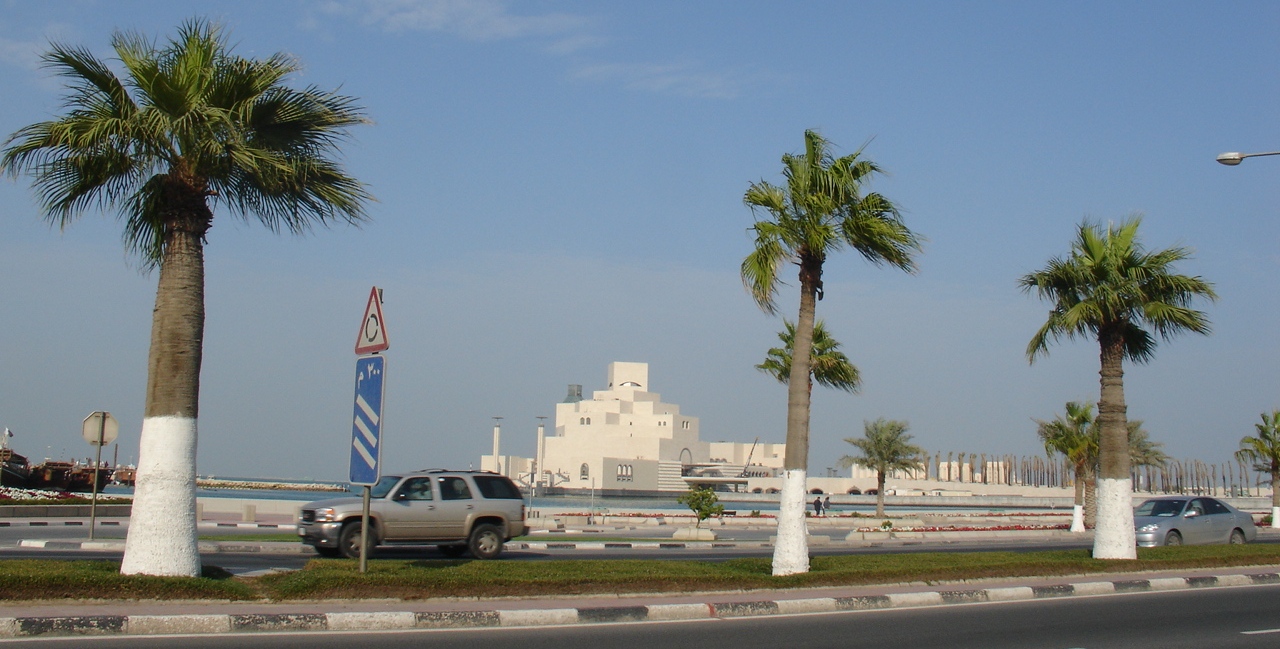
One of the most striking examples of this vision is the Museum of Islamic Art, designed by the legendary architect I.M. Pei. Its geometric silhouette, inspired by ancient Islamic architecture, rises dramatically from the waters of Doha Bay, a testament to the country’s reverence for both history and innovation. Inside, the collection spans over a thousand years, from Spain to China, showcasing rare manuscripts, intricate textiles, and exquisite metalwork. The museum doesn’t just display objects—it invites visitors to trace the threads of Islamic civilization, revealing how art, science, and trade once flourished across continents. The building itself, with its towering atrium and play of light and shadow, feels like a modern interpretation of a traditional Islamic palace, blending form and function seamlessly.
A more recent addition to Doha’s cultural landscape is the National Museum of Qatar, designed by Jean Nouvel. Its undulating, disc-like structure mimics the "desert rose," a natural formation of gypsum crystals found in Qatar’s sands. The architecture isn’t just visually striking—it’s symbolic, grounding the museum in the country’s landscape and history. The exhibits inside take visitors on a journey through time, from the geological formation of the peninsula to the Bedouin way of life and the discovery of oil. Interactive displays, immersive films, and even a reconstructed traditional market create an experience that’s far from the dry recitation of facts. Instead, the museum feels like a story unfolding, one that connects the past to Qatar’s rapid transformation into a global hub.
Beyond the grand institutions, the authority also champions the preservation of everyday Qatari heritage. The Sheikh Faisal Bin Qassim Al Thani Museum, a private collection housed in a sprawling complex, offers a glimpse into the country’s social history. Here, visitors can see everything from vintage cars and Bedouin jewelry to centuries-old manuscripts and falconry equipment. The museum’s eclectic mix of artifacts reflects the personal passions of its founder, but it also serves a broader purpose: reminding visitors that Qatar’s culture isn’t just about palaces and mosques, but also about the traditions that have shaped daily life for generations. Falconry, camel racing, and pearl diving—once vital to survival—are presented not as relics of the past, but as living practices that still hold meaning today.
For those interested in contemporary art, Mathaf: Arab Museum of Modern Art provides a platform for voices from across the region. Opened in 2010, it was the first museum in the Gulf dedicated solely to modern and contemporary Arab art. The collection includes works that grapple with themes of identity, migration, and social change, offering a counterpoint to the often stereotypical portrayals of the Arab world. Mathaf isn’t just a gallery—it’s a space for dialogue, hosting lectures, workshops, and residencies that encourage artists and audiences to engage with the complexities of the region’s cultural landscape. The museum’s location in a repurposed school building adds to its charm, blending the old with the new in a way that feels distinctly Qatari.
The authority’s reach extends beyond Doha, too. One of its most significant projects is the restoration of Al Zubarah Fort, a UNESCO World Heritage site on Qatar’s northern coast. Once a thriving pearling and trading town, Al Zubarah was destroyed in the 19th century, leaving behind only ruins. Today, the site offers a rare window into pre-oil Qatar, when the peninsula was a crossroads of trade between the Indian Ocean and the Arabian Gulf. The fort’s crumbling walls and the excavated remains of houses and mosques tell a story of resilience and adaptation, long before skyscrapers and luxury hotels defined the country’s image.
What sets Qatar Museums apart is its holistic approach to culture. It’s not just about preserving the past—it’s about fostering creativity, supporting local artists, and engaging with the world. Initiatives like "Qatar Creates" bring together filmmakers, musicians, and designers, turning the country into a stage for cultural exchange. These efforts aren’t just for tourists; they’re aimed at nurturing a new generation of Qataris who see culture as an essential part of their identity. The authority’s collaborations with international institutions, from the Louvre to the British Museum, further underscore its ambition to position Qatar as a global cultural player.
Visiting these museums isn’t just about seeing artifacts—it’s about understanding the layers of a country that’s often reduced to stereotypes. There’s no pressure to rush, no commercial gimmicks; just a quiet invitation to explore. Whether it’s the quiet elegance of the Museum of Islamic Art, the immersive storytelling of the National Museum, or the raw history of Al Zubarah, each space offers a different perspective on Qatar’s journey. For anyone curious about how a small desert nation became a major player on the world stage, these museums provide the most compelling answers—not through grand declarations, but through the stories they tell.