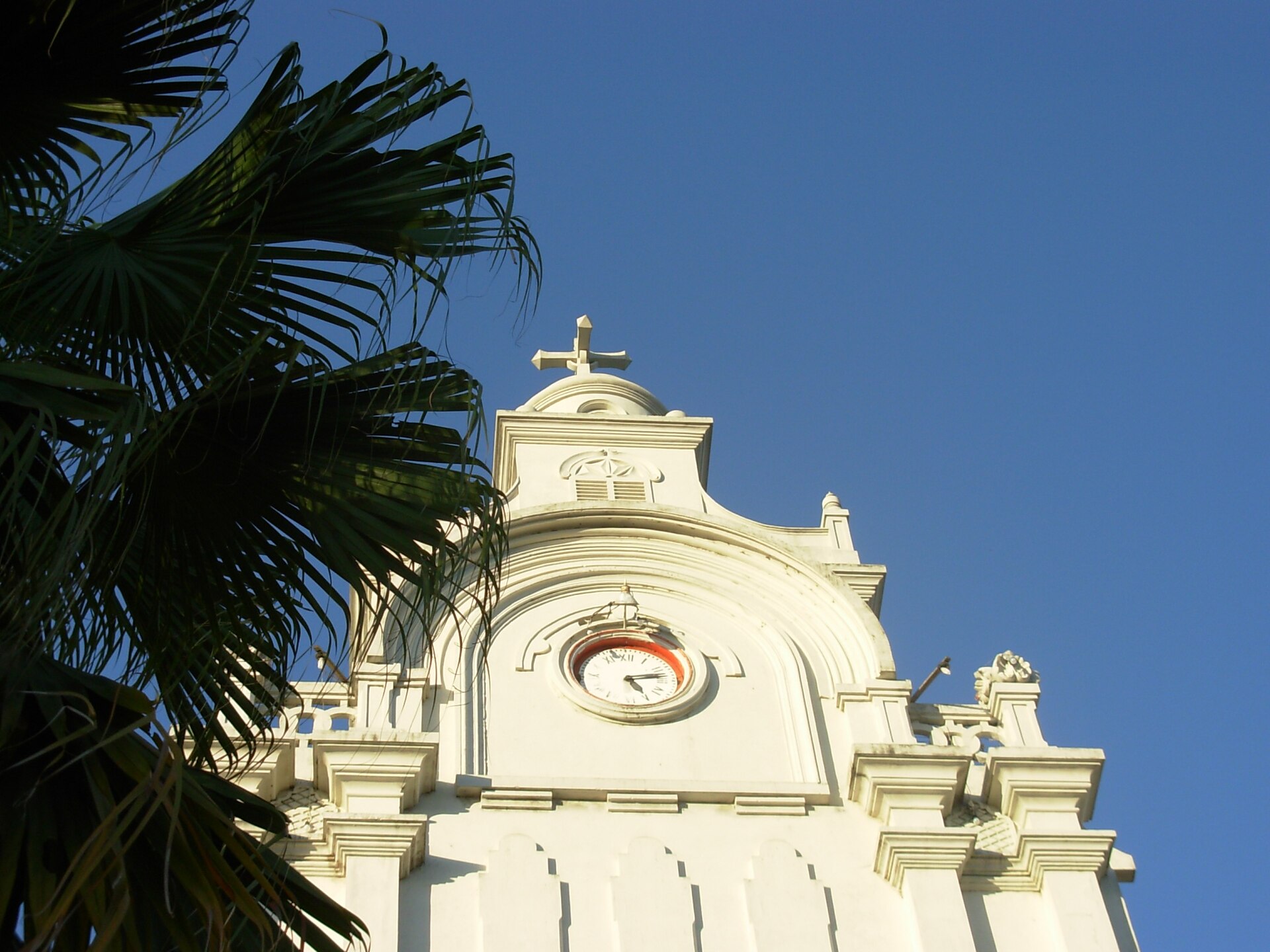
The Casa de la Cultura in Izalco is one of those quiet places where history lingers just beneath the surface. Tucked away in a town known more for its towering volcano than its cultural landmarks, this modest building holds stories that stretch back centuries. Izalco itself is a place where the past feels close—where the earth still rumbles with the memory of eruptions, and where indigenous traditions have survived against the odds. The Casa de la Cultura stands as a small but meaningful bridge between that past and the present, offering a space where locals and visitors alike can pause and reflect.
The building itself is unassuming, blending into the fabric of the town rather than standing out. It was once a colonial-era structure, though little remains of its original form beyond the thick adobe walls and the occasional arched doorway. Over time, it has been repurposed, serving various roles in the community before finding its current identity as a cultural center. The architecture is simple, functional—more about the people who pass through its doors than any grand design. Inside, the rooms are cool and dim, a relief from the tropical heat outside, with high ceilings that hint at the building’s age.
What makes the Casa de la Cultura special isn’t its size or its grandeur, but the way it captures the spirit of Izalco. The town has long been a crossroads of cultures, where indigenous Pipil traditions have mingled with Spanish colonial influences and, later, modern Salvadoran life. The center hosts exhibitions that reflect this layered history—photographs of old Izalco, handwoven textiles, and artifacts that speak to the daily lives of generations past. There’s a sense of continuity here, as if the building itself is holding onto the memories of those who came before.
One of the most compelling aspects of the Casa de la Cultura is its connection to the volcano that looms over the town. Izalco Volcano, often called the "Lighthouse of the Pacific" for its frequent eruptions, has shaped life in the region for centuries. The center occasionally features displays on the volcano’s history, from its dramatic eruptions to the ways locals have adapted to living in its shadow. It’s a reminder that in El Salvador, nature and culture are deeply intertwined—one can’t be understood without the other.
The center also serves as a gathering place for the community. Workshops on traditional crafts, storytelling sessions, and small concerts are held here, often drawing in locals who might not otherwise engage with cultural spaces. There’s a warmth to the place, a sense that it belongs to the people of Izalco as much as it does to visitors. The staff, usually a mix of volunteers and town residents, are quick to share stories about the exhibits or the history of the building itself, adding a personal touch that larger museums often lack.
For travelers passing through Izalco, the Casa de la Cultura offers a chance to step off the beaten path. The town isn’t a major tourist destination, and that’s part of its charm. There are no crowds here, no pressure to rush through an experience. Instead, visitors can wander the exhibits at their own pace, chat with locals, or simply sit in the courtyard and soak in the atmosphere. It’s the kind of place where you might leave with more questions than answers, but that’s part of the appeal.
The surrounding area is worth exploring as well. Izalco is a town of narrow streets and colorful houses, where the scent of coffee and fresh tortillas drifts from open doorways. The volcano, though dormant for now, is never far from view, its slopes covered in lush greenery. Nearby, the ruins of old churches and colonial buildings offer glimpses into the town’s past, while the local market provides a taste of everyday life. The Casa de la Cultura fits neatly into this landscape, not as a destination in itself, but as a quiet companion to the stories unfolding all around it.
If there’s one thing the Casa de la Cultura teaches, it’s that history isn’t always about grand monuments or famous names. Sometimes, it’s about the small, everyday moments—the way a community comes together, the traditions passed down through generations, the resilience of people living in a place shaped by both beauty and upheaval. In Izalco, those moments are still alive, and this unassuming building is one of the places where they’re kept.