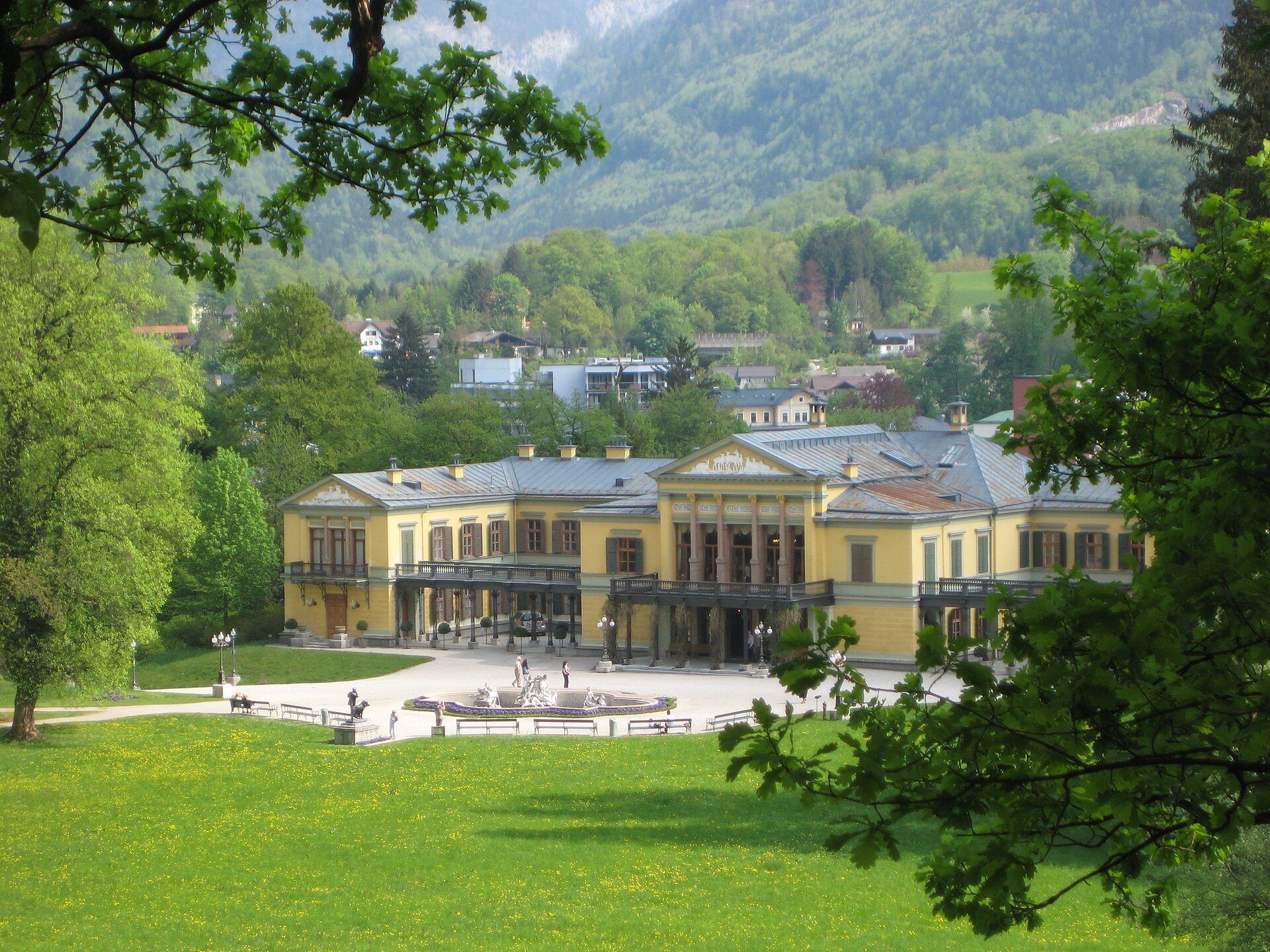
Nestled on the shores of Lake Hallstatt, the Kaiser Villa feels like a quiet secret tucked away in one of Austria’s most picturesque villages. Built in the late 19th century, it was intended as a summer retreat for Emperor Franz Joseph I, though the monarch himself rarely stayed here. Instead, the villa became a place where imperial history brushed against the unhurried rhythm of an alpine village, offering a glimpse into a different side of the Habsburg era—one far removed from the grandeur of Vienna’s palaces.
The architecture of the villa reflects the understated elegance favored by Europe’s aristocracy at the time. With its steep mansard roof, wooden balconies, and large windows framing views of the lake, the building seems designed more for contemplation than display. Inside, the furnishings were simple by imperial standards—comfortable rather than opulent, with wooden paneling, fireplaces, and a few carefully chosen pieces of art. There were no lavish banquets here, no courtly intrigues; just a house meant for rest, where the emperor could step away from the weight of his crown.
Hallstatt itself has always been a place where time moves differently. Known for its ancient salt mines, which have been worked since the Bronze Age, the village has long been a quiet corner of the Alps, untouched by the rush of modern life. The Kaiser Villa fits seamlessly into this landscape, as if even imperial power could soften its edges here. Franz Joseph, who ruled over a vast and often turbulent empire, chose this spot for his retreat—perhaps because it offered a rare chance to escape the demands of statecraft and simply be.
Today, the villa remains open to visitors, though it hasn’t been turned into a conventional museum. The rooms have been restored to their original state, offering a sense of how they might have looked during the emperor’s time. The dining room, with its oval table and windows overlooking the lake, feels particularly intimate, while the study still holds some of Franz Joseph’s personal belongings. Visits are unhurried, without the crowds that flock to more famous landmarks, allowing the house to retain its character as a home rather than a historical exhibit.
The surroundings of the villa are just as compelling as the building itself. From its terrace, the view stretches across Lake Hallstatt to the village on the opposite shore, where the brightly colored houses appear almost miniature against the towering mountains. In summer, the paths along the lake invite leisurely walks, while winter transforms the landscape into a quiet, snow-dusted retreat. The villa seems to encourage lingering, whether to sit on the terrace with a cup of coffee or simply to take in the stillness of the scene.
What makes the Kaiser Villa special is not its grandeur, but its authenticity. There are no gilded halls or extravagant displays here—just the quiet details that make history feel real. It’s the kind of place that doesn’t announce itself loudly, but rather lets its story unfold naturally, through the creak of wooden floors or the way the light falls across a well-worn desk. For those who come to Hallstatt not just to see it, but to understand it, the villa offers a rare sense of connection to the past.
In a village already steeped in history, the Kaiser Villa adds another layer, one that feels personal rather than monumental. It’s a reminder that even emperors sought simplicity, that power could be set aside in favor of a moment’s peace. For visitors, it’s an invitation to slow down, to look beyond the postcard-perfect views and consider the lives that have passed through these rooms. The villa doesn’t demand attention; it simply waits, ready to share its story with those who are willing to listen.