- Home
- New Zealand
- Wellington
- St. Paul's Cathedral
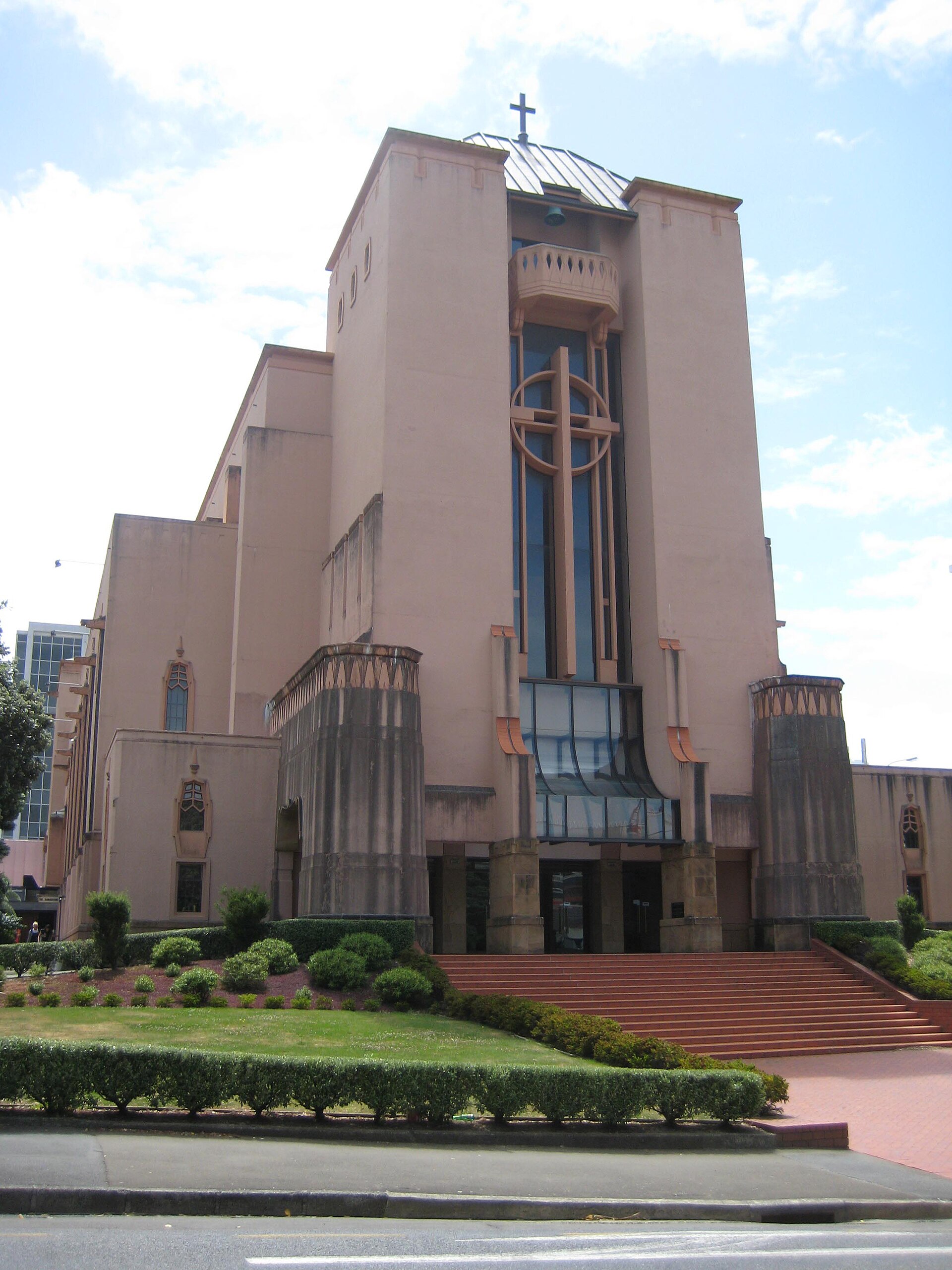
Photo: Lanma726 (talk), CC BY-SA 3.0
St. Paul's Cathedral
out of 5 0 ratingsSt Paul’s Cathedral sits quietly on a hill above Wellington’s city center, its modest exterior easily overlooked by those rushing past. Yet those who take the time to climb its steps discover more than just a place of worship—it’s a living piece of New Zealand’s history, where faith, culture, and architecture intertwine in unexpected ways.
The cathedral’s story began in the mid-19th century, when Wellington was still a fledgling settlement rather than the bustling capital it would become. The first church on this site was a simple wooden structure, little more than a village chapel, built to serve a small but growing community. As the city expanded, so did the need for a more permanent spiritual home. By 1866, plans were underway for a stone cathedral, one that would reflect the ambitions of both the city and its people. The building that stands today is the result of decades of evolution, each phase leaving its mark on the structure.
Architecturally, St Paul’s is a blend of influences, shaped by the tastes and needs of different eras. The main building follows the Gothic Revival style popular among Anglican churches of the time, with its pointed arches, soaring windows, and vaulted ceilings. Inside, the space feels intimate rather than grand, with wooden pews, stained-glass windows depicting biblical scenes, and a carved altar that draws the eye. One of the most striking features is the organ, installed in the late 20th century, its music filling the nave during services and concerts alike.
Beyond its religious role, the cathedral has long served as a cultural hub for Wellington. It hosts not only regular services but also classical music concerts, art exhibitions, and public lectures. Locals come here for moments of quiet reflection, to listen to a choir rehearsal, or simply to escape the city’s pace for a while. In summer, the cathedral grounds occasionally transform into a gathering place for small fairs or festivals, where the atmosphere shifts from solemn to sociable in an instant.
New Zealand’s seismic activity has left its mark on St Paul’s in more ways than one. The cathedral has endured multiple earthquakes over the years, each prompting reinforcements to ensure its survival. These adaptations have turned it into something of an engineering landmark, a testament to how communities adapt to the challenges of their environment. The building stands not just as a place of worship but as a reminder of resilience in the face of nature’s unpredictability.
Today, the cathedral remains an active part of Wellington’s life, its doors open to all. Visitors might attend a morning service, listen to the choir, or simply pause on the steps to take in the view of the city below. While modern buildings rise around it, St Paul’s retains a sense of timelessness, offering a space where the rush of daily life fades into something quieter. It’s a place where history feels present, not as something distant, but as a thread woven into the fabric of the city itself.