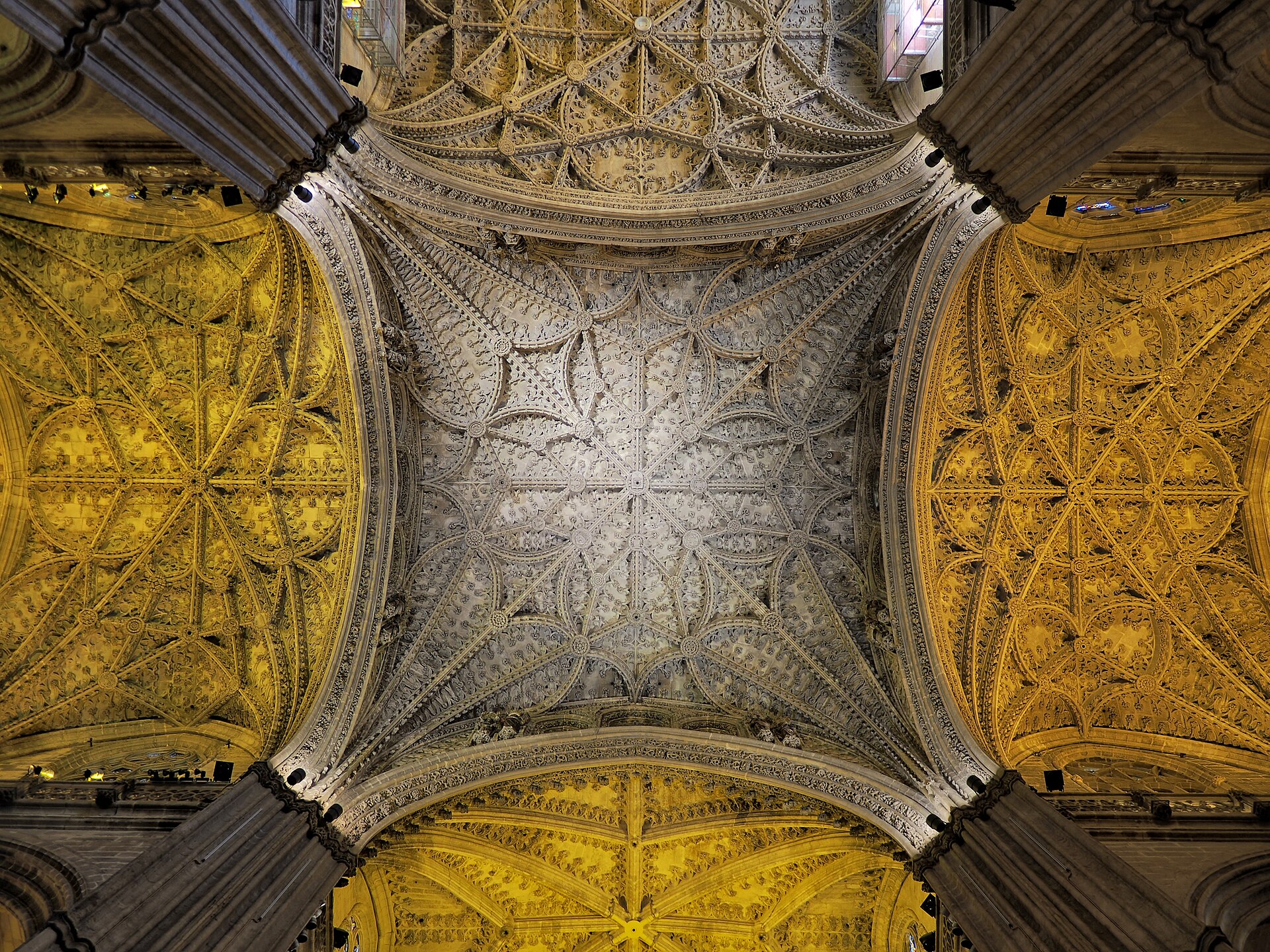
Photo: Dmitry Dzhus from London, CC BY 2.0
Cádiz Cathedral
out of 5 0 ratingsCádiz Cathedral stands where the Atlantic meets the old city, its golden dome catching the light like a beacon for ships approaching the shore. It isn’t just a monument—it’s a place where history lingers in the salt air, where the past feels close enough to touch. Built during Cádiz’s golden age, when the city was Spain’s gateway to the Americas, the cathedral was meant to reflect the wealth and ambition of a port that shaped an empire. Yet its construction stretched over nearly a century, and in that time, the building absorbed the tastes of different eras, blending Baroque flourishes with Rococo elegance and Neoclassical restraint. The result isn’t seamless, but that’s part of its charm. Each addition tells a story, layering the present over the past without erasing what came before.
Inside, the cathedral feels unexpectedly bright. Unlike the dim, heavy interiors of many older churches, this one opens up with high vaults and whitewashed walls, flooded with natural light from tall windows. The effect is airy, almost modern, though the gilded altars and intricate carvings remind you of its age. The main altar, a grand Neoclassical composition of columns and saints, draws the eye, but the real heart of the cathedral is the statue of the Virgin of the Rosary, Cádiz’s patroness. Locals and pilgrims still come to pray before her, just as they have for generations, and on feast days, the space fills with the scent of candles and the murmur of devotion.
Beneath the cathedral lies one of Spain’s largest crypts, a stark contrast to the luminous church above. Built in the shape of a cross and lined with dark stone, it feels like stepping into another world—quieter, more solemn. Here, the weight of history is tangible. Among the tombs is that of Manuel de Falla, the composer whose music once echoed through these walls. The crypt’s old frescoes and weathered gravestones speak of Cádiz’s past, of merchants and sailors, of lives lived and lost in a city that has always looked outward, toward the sea.
The cathedral sits on a square where the city’s rhythms play out daily. Palm trees cast shifting shadows over the pavement, and the nearby buildings, with their wrought-iron balconies and peeling facades, carry the same patina of age. From here, the ocean is always in view, its presence a constant reminder of Cádiz’s maritime soul. The bell tower, added later in a more restrained style, offers a different perspective. Climbing its steps rewards you with a sweeping view of the city—whitewashed houses stacked along narrow streets, the harbor glinting in the distance, and beyond it, the endless blue of the Atlantic.
What makes Cádiz Cathedral special isn’t its size or grandeur. It doesn’t overwhelm you like some of Spain’s more famous cathedrals; instead, it invites you to linger. There’s a bench near the entrance where an old man might sit, feeding pigeons, while a group of tourists snaps photos of the ceiling’s frescoes. Inside, sunlight slants through the windows, illuminating the marble floor in patches of gold. The cathedral isn’t just a relic—it’s a living part of the city, where weddings and baptisms still take place, where the faithful gather for mass, and where, during Holy Week, processions begin or end with solemn ceremony.
For many in Cádiz, the cathedral is more than a landmark. It’s where families mark milestones, where children are christened, where couples exchange vows. On feast days, the air hums with music and the rustle of robes as choirs fill the space with song. Even on ordinary days, there’s a sense of continuity here, of traditions passed down through generations. The building has witnessed centuries of change—booms and busts, wars and celebrations—but it remains a constant, a place where the past and present coexist.
The best time to visit is early morning, when the city is still half-asleep. The sun rises over the ocean, gilding the cathedral’s dome, and the only sounds are the cry of gulls and the distant crash of waves. In that quiet, it’s easy to imagine Cádiz as it once was—a bustling port where merchants and sailors came to give thanks for safe voyages or seek blessings before setting sail. The cathedral has seen them all, and in its stones, you can almost hear the echoes of their footsteps.
More than just a building, Cádiz Cathedral is a piece of the city’s soul. It holds the memories of those who came before, yet it’s far from frozen in time. It breathes with the life of Cádiz, adapting to the present while honoring the past. Whether you come for history, for beauty, or simply to sit in the square and watch the world go by, the cathedral offers something rare—a sense of connection, not just to a place, but to the people who have shaped it over centuries.
Day around this place
Where else to go on the same day
Building the day…
Where it is
37.38583, -5.99306