Photo: Nmmacedo, CC BY-SA 3.0
Évora Cathedral
out of 5 0 ratingsÉvora’s cathedral sits on a gentle rise at the heart of the old town, its silhouette visible above the terracotta rooftops. From here, the narrow streets wind between whitewashed houses, carrying the weight of centuries in their quiet curves. This is more than just a building—it’s a place where Évora’s past lingers in the stone, where the echoes of medieval conflicts, the ambitions of the Age of Discovery, and the shifting tides of faith and power still resonate.
Construction began in 1186, not long after the city came under Portuguese rule. What started as a Romanesque structure evolved over time, absorbing Gothic, Renaissance, and Baroque influences as tastes and needs changed. Like many Portuguese cathedrals, it was never truly finished—just adapted, layer by layer, until the original vision became something richer and more complex.
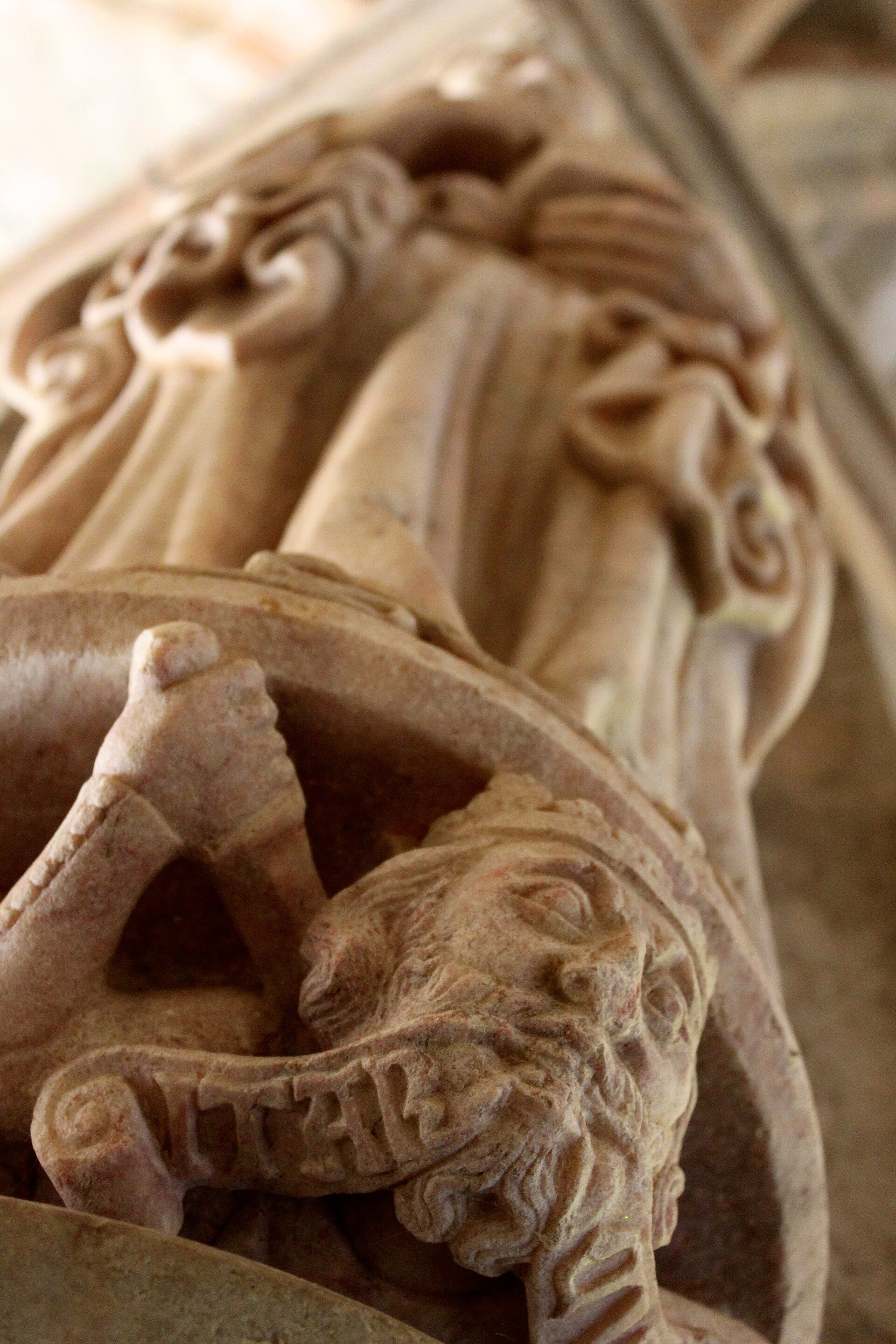
The main façade is imposing, its two massive towers crowned with battlements that hint at the cathedral’s dual role as both sanctuary and fortress. The portal is a masterpiece of intricate carving—vines twisting around saints, biblical scenes unfolding in stone, and at the center, a statue of the Virgin and Child, a detail that ties the cathedral to the daily life of the city. The craftsmanship is precise, yet there’s a warmth to it, as if the hands that shaped these figures knew the people who would pass beneath them.
Inside, the space feels vast and luminous. High vaults rest on slender columns, their lines drawing the eye upward. Stained glass softens the daylight, casting a muted glow over the nave. The Baroque high altar gleams with gilding and ornate stucco, a stark contrast to the simpler medieval elements around it. Nearby, the choir stalls stand empty now, though occasionally the sound of sacred music drifts through the air, a reminder of the voices that once filled this space.
A narrow spiral staircase leads to the rooftop, where the view unfolds in all directions. The city sprawls below, its white walls and red roofs blending into the landscape. On clear days, the rolling hills of the Alentejo stretch into the distance, dotted with olive groves and vineyards. Up here, the cathedral’s stone feels like part of the earth itself, weathered by time and sun.
This was a place of power. Kings were married here, relics from distant lands were housed within its walls, and in one of the chapels lies the tomb of the bishop who founded Évora’s first university. The cathedral was a stage for the dramas of the city and the nation, a silent witness to decisions that shaped history.
Today, it remains a living place. Services are still held, tourists wander the aisles, and locals light candles or sit in quiet contemplation. The air carries the scent of wax and old wood, footsteps echoing under the vaulted ceilings. There’s a sense of continuity here, as if the past and present exist side by side.
The chapels hold fragments of different eras—medieval frescoes, Renaissance sculptures, each piece telling its own story. The sacristy preserves vestments and religious artifacts, their details worn smooth by time. If you listen closely, the voices of those who came before seem to linger in the stillness.
The cathedral doesn’t shout its history. It stands quietly, a patient observer of the centuries, waiting for those who know how to look beyond the stone and see the lives that have passed through its doors.
Day around this place
Where else to go on the same day
Building the day…
Where it is
38.57167, -7.90667