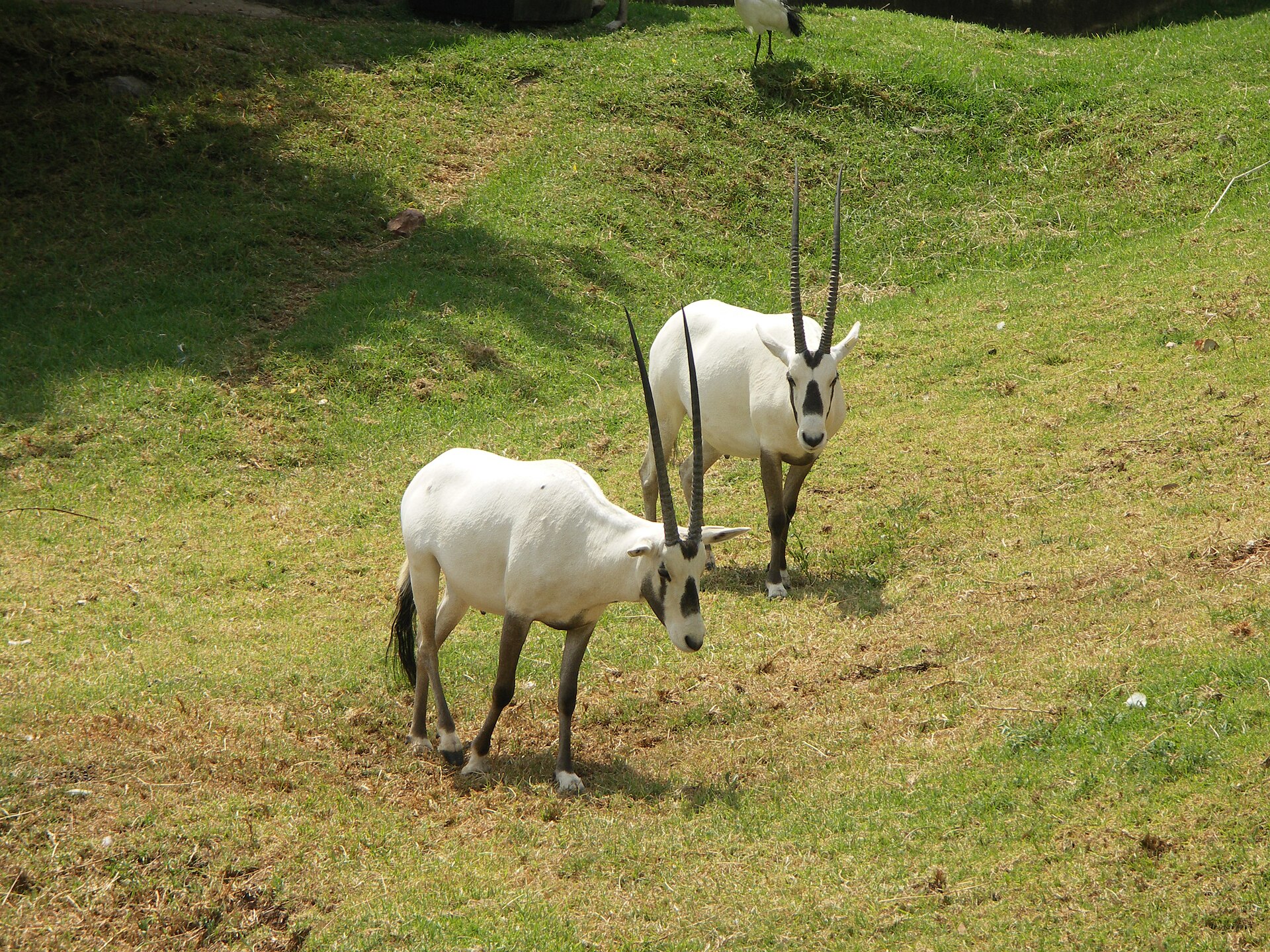
The Johannesburg Zoo opened in 1904, when the city was still shaping its identity. Back then, zoos were more than just places to see animals—they connected urban life to the wild, offering a rare glimpse of creatures most would never encounter. Today, it stands as a green space in a growing city, home to species that have disappeared from much of South Africa’s shrinking wilderness.
Spread across 55 hectares in the northern suburbs, the zoo balances size and accessibility. Old trees line the paths, leading past enclosures for lions, elephants, and giraffes. The primates draw crowds, their movements often mirroring human behavior in ways that make visitors pause. But the zoo’s work goes beyond observation: its educational programs explain conservation challenges, like habitat loss and the impact of poaching on species like the African wild dog.
The design is practical, not flashy. Enclosures prioritize animal welfare, with features like water pools, rock formations, and shaded areas. The penguin exhibit stands out—unexpected for a landlocked city—but so does the nocturnal house, where visitors can watch animals active after dark. The petting zoo, with its goats and rabbits, remains a favorite for families.
Criticism of zoos is inevitable. Concerns about captivity, enclosure sizes, and ethical dilemmas persist. Yet Johannesburg Zoo has shifted its focus. It participates in breeding programs for endangered species, including the black rhino, whose population has been decimated by poaching. These efforts aim to reintroduce animals into the wild, not just display them.
For locals, the zoo is a routine escape. Weekends bring picnics, children chasing each other along the paths, and older visitors watching birds from benches. On quieter weekdays, artists sketch animals, and lone visitors wander the trails. The pace slows here, as if the city’s noise fades at the entrance.
Changes come gradually. New exhibits replace outdated ones, and events like night tours add variety. But the zoo’s purpose stays constant: a place where urban life meets the wild. It doesn’t just show animals—it asks visitors to consider their role in protecting them. In a city of concrete and steel, that’s no small thing.