The Cathedral of the Immaculate Conception in Bar is one of those quiet places that doesn’t demand attention but lingers in the mind after you leave. Tucked away on the edge of the old town, it stands apart from the usual tourist paths. The pace of life here feels slower, almost suspended.
The building is modest in size, yet its presence carries weight. It’s not just a church—it’s part of Montenegro’s layered history, a marker of resilience in a city that has seen upheavals.
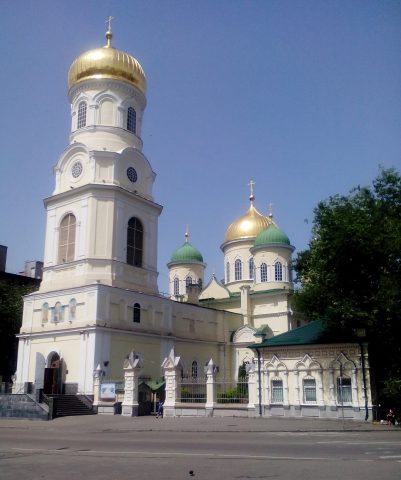
Built in the late 19th century, the cathedral rose from the ruins of a city still recovering from decades of decline. An earthquake in the mid-1800s had left Bar in tatters, and its people rebuilt their lives stone by stone. The cathedral became a symbol of that renewal, a place of worship and a quiet affirmation that life endures. Its architecture reflects the practicality of the era—clean lines, whitewashed walls, and a small bell tower, all designed without unnecessary ornamentation. The simplicity here feels authentic, a contrast to the more elaborate churches elsewhere in Europe. The building doesn’t shout its importance; it simply exists.
Inside, the atmosphere is intimate. Light filters through tall windows, casting a soft glow over the wooden pews and the unadorned altar. There are no grand frescoes or gilded details. Instead, the space feels purposeful, designed to encourage reflection. Locals come here not just for services but to sit in silence, especially during the sweltering summer months when the cool interior offers respite.
Bar has always been a crossroads of cultures—Venetian, Ottoman, and Slavic influences have all left their mark. The Catholic community here is one of the oldest in the region, and the cathedral has long served as its spiritual heart. Through wars, occupations, and shifting borders, the church remained a constant, a place where people held onto traditions and identity.
Today, the cathedral continues its quiet existence, untouched by crowds. On Sundays, after mass, parishioners gather outside, chatting in the shade while children play in the small square nearby. These moments show the cathedral’s true role—not just as a building, but as part of Bar’s daily rhythm.
A short walk away lie the remnants of Bar’s medieval walls and towers, a link to the city’s past as a fortified port. The old town, with its narrow streets and crumbling stone, tells a story of centuries gone by. The cathedral, though younger, fits into this landscape. It doesn’t compete with the ancient ruins; it adds another layer to the city’s narrative.
For travelers who venture beyond the beaches and nightlife, the Cathedral of the Immaculate Conception offers a different experience. It doesn’t demand hours of exploration, but it leaves an impression. In a country where the sea and mountains dominate, the cathedral reminds you to pause, step away from the noise, and appreciate quiet moments.
Bar is a city of contrasts—modern developments along the coast, ancient ruins in the hills, and a slow pace in between. The cathedral embodies that balance. It doesn’t seek to impress; it simply is. In a world where travel is often about ticking off sights, there’s something refreshing about a place that asks for nothing more than a moment of your time. Whether you come for the history, the architecture, or just to sit in silence, the cathedral offers a quiet beauty that stays with you.