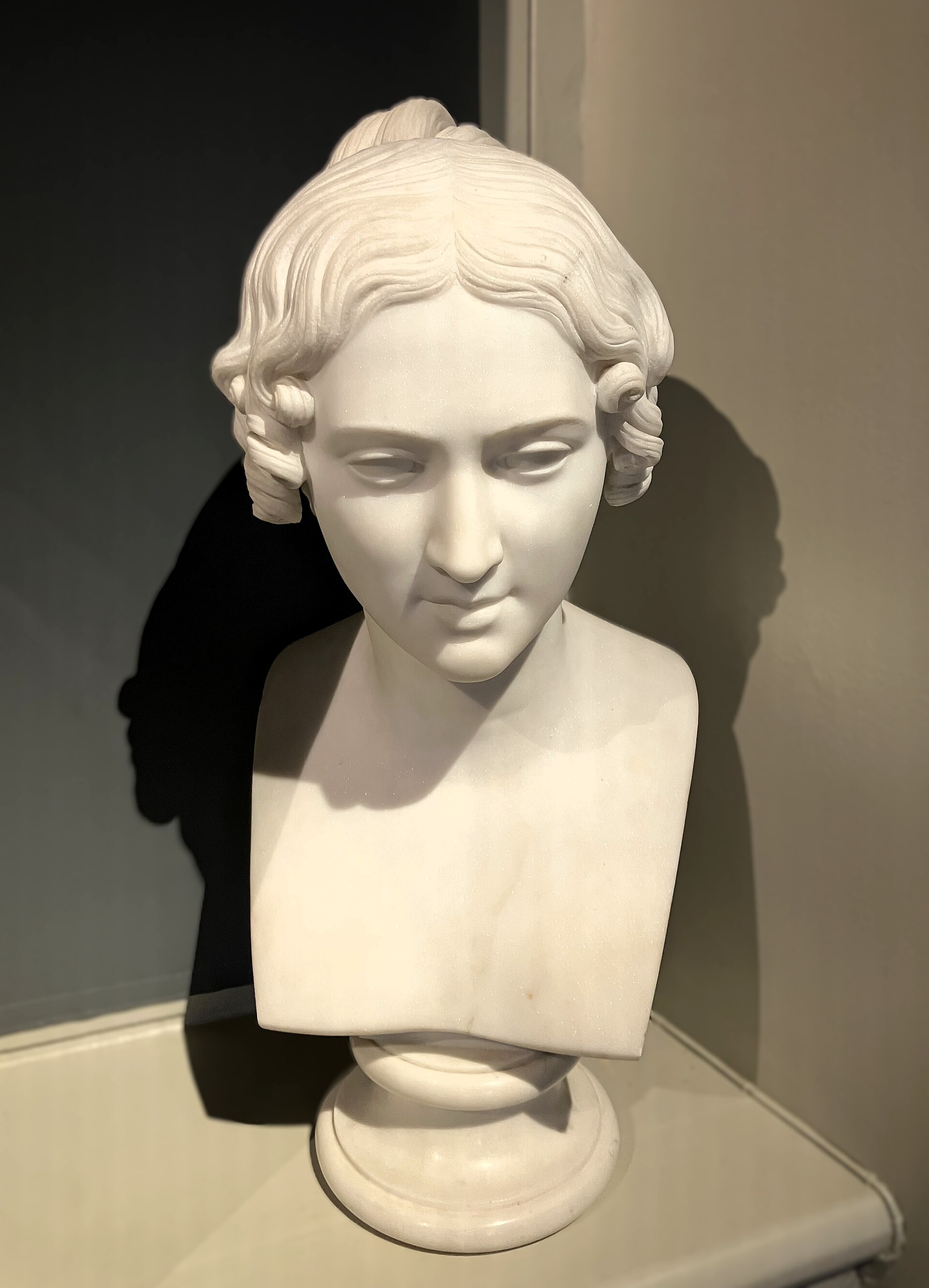
Gustavianum isn’t just another museum in Uppsala—it’s one of those rare places where history isn’t just remembered, but felt. Built in the mid-17th century, this building was once the heart of Uppsala University, the oldest in Scandinavia. For generations, its halls echoed with lectures, debates, and discoveries that shaped Swedish academia. Today, it houses the university’s museum, yet the weight of its past lingers in the air, especially in the old lecture halls where theology, medicine, and natural sciences were once taught. Walking through its rooms, you can almost hear the murmurs of students and the voices of professors whose names later filled textbooks.
The architecture of Gustavianum reflects the restrained elegance of the Swedish Renaissance, with later Baroque touches. Its facade is symmetrical and severe, marked by tall windows and heavy doors that open into grand halls with ornate plaster ceilings. The most striking feature is the dome crowning the building, beneath which lies one of Europe’s oldest anatomical theaters. Constructed in the 17th century, this space was used for public dissections—a grim but essential part of medical education at the time. The theater remains remarkably preserved, with wooden benches arranged in a steep amphitheater, narrow windows casting dim light, and a central table where bodies once lay for study. Standing there, it’s easy to imagine the mix of curiosity and unease that must have filled the room centuries ago.
Inside, the museum’s collections span centuries of Swedish scientific and cultural history. One of the most fascinating sections is dedicated to the university’s scientific instruments—telescopes, microscopes, and astronomical devices that once belonged to scholars who pushed the boundaries of knowledge. A highlight is the exhibit on Carl Linnaeus, the father of modern taxonomy, who taught at Uppsala and developed his groundbreaking system of classifying plants here. Visitors can see his personal belongings, botanical specimens, and handwritten notes, offering a glimpse into the meticulous, often solitary work of 18th-century science.
The museum also holds one of Sweden’s most significant collections of Egyptian antiquities. Brought back by Swedish archaeologists in the 19th century, the artifacts include mummies, sarcophagi, amulets, and everyday objects that paint a vivid picture of ancient Egyptian life and beliefs. Among the more unusual pieces is a mummified crocodile, a creature revered in Egyptian religion. These items aren’t just relics; they’re evidence of Sweden’s long-standing role in global exploration and scholarship, a reminder that even a small northern country once reached far beyond its borders.
Beneath the museum, remnants of a medieval monastery lie preserved in the basement. Gustavianum was built on these foundations, and the archaeological displays here transport visitors back to a time when Uppsala was a religious center. Nearby, a reconstructed 17th-century university library offers another layer of history, with original folios still bearing the marginalia of students and professors. Some of these books are so old that their pages seem to whisper secrets of the past.
What makes Gustavianum special is its ability to make history feel alive. The museum isn’t just a repository of artifacts; it’s a place where the past is actively engaged with through guided tours, interactive exhibits, and temporary displays. Lectures, seminars, and even academic conferences are still held here, continuing a tradition that began nearly 400 years ago. For anyone interested in the history of science, culture, or Sweden itself, Gustavianum offers a rare chance to step into the shoes of those who came before.
A visit here isn’t just about viewing exhibits—it’s about seeing Uppsala through the eyes of its past inhabitants. From the anatomical theater to the old lecture halls, from the medieval ruins to Linnaeus’s collections, each room tells a different story. The museum may not be as vast as some in Stockholm, but its intimacy is part of its charm. In these walls, the spirit of the old university endures, a place where learning was never just a duty, but a calling.