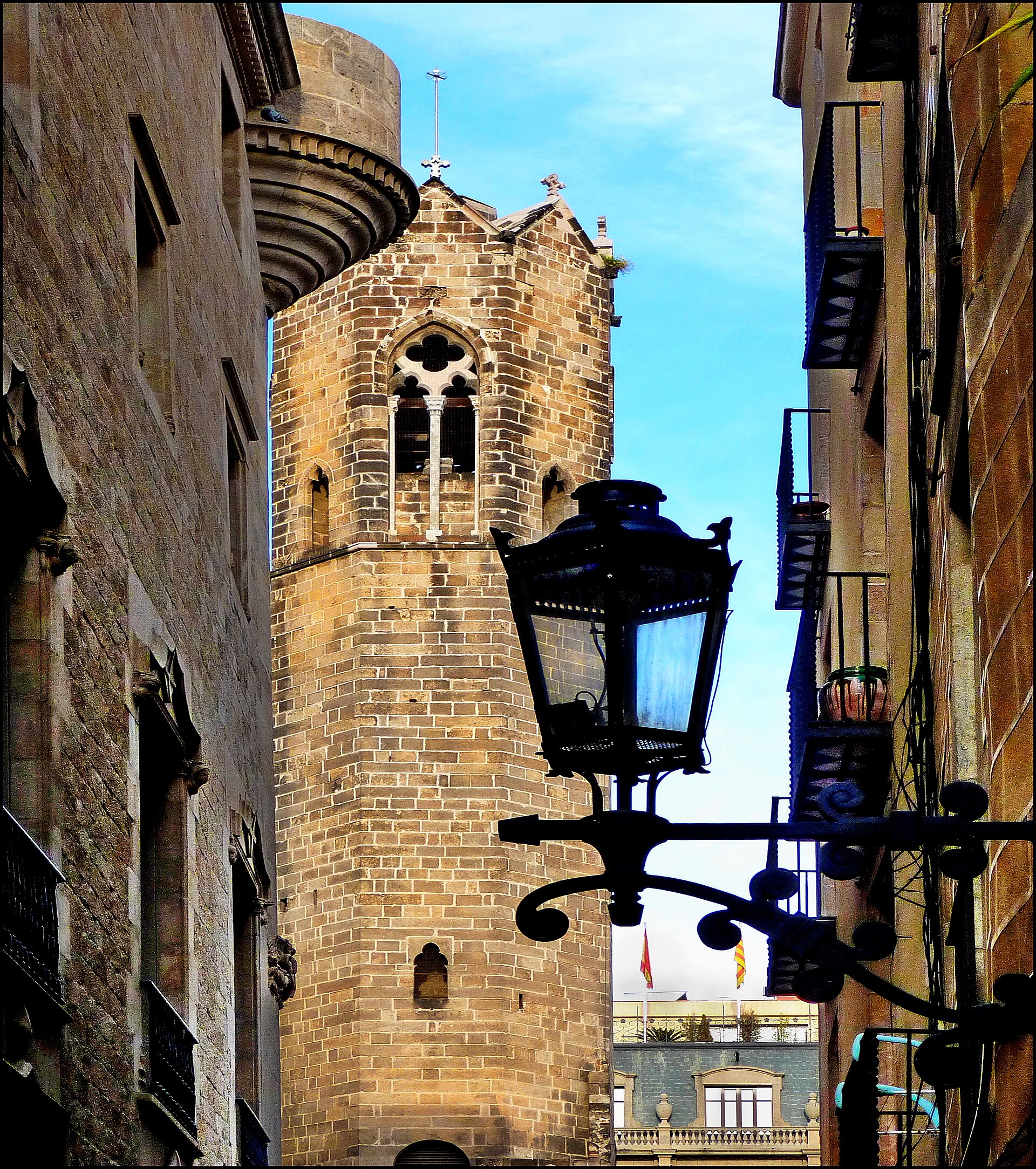
Barcelona’s Gothic Quarter is where the city’s layered past feels most alive. Unlike the grand boulevards or modern waterfront, this is a place where history isn’t just preserved—it’s still being lived. The narrow streets twist between medieval buildings, their facades worn smooth by centuries of footsteps, while the air carries the scent of old stone, coffee, and the faint saltiness of the nearby sea. It’s a neighborhood that refuses to be just a backdrop for tourists, even as it draws them in with its quiet grandeur.
The Romans first laid the foundations here in the 1st century BC, calling it Barcino. Their presence lingers in unexpected places: fragments of the old city walls are embedded in later structures, and the remains of the forum still lie beneath Plaça de Sant Jaume, now a political hub where the city hall and Catalan government buildings stand. But the real magic of the Gothic Quarter unfolds in its medieval heart, when Barcelona flourished as a Mediterranean power. The tall, narrow houses with wrought-iron balconies, the arched passageways connecting streets, and the sudden plazas that open up like secrets—all of it feels suspended in time, as if the city paused here and never quite moved on.
At the center of it all is the Cathedral of the Holy Cross and Saint Eulalia, a masterpiece of Catalan Gothic architecture. Built between the 13th and 15th centuries, its soaring spires and intricate facade dominate the skyline, though much of what you see today was restored or added in the 19th century. Inside, the cathedral is surprisingly light and airy, with a cloister that offers a moment of peace. Thirteen white geese wander the courtyard, a nod to the age of Saint Eulalia when she was martyred, and their occasional honking adds to the sense that this place is still watched over by history. The cathedral isn’t just a monument—it’s a living part of the city, where locals come to light candles or sit quietly in the pews.
Just a short walk away, Plaça de Sant Felip Neri feels like a hidden world. The square is small and uneven, surrounded by buildings pockmarked with bullet holes from the Spanish Civil War. A simple fountain sits at its center, and the 17th-century church beside it was once the shoemakers’ guildhall. Now, it’s one of the quietest spots in the quarter, where the only sounds are the echo of footsteps and the distant chime of bells. The square’s scars tell a story of violence, but today it feels like a place of reflection, where the past isn’t erased but acknowledged.
The Gothic Quarter isn’t just about looking back—it’s about how the past and present coexist. By day, the streets buzz with activity: tourists snap photos of gargoyles and Gothic arches, street musicians play flamenco or classical guitar, and small shops sell everything from handmade leather goods to bottles of local wine. But as evening falls, the mood shifts. The crowds thin, the light softens, and the neighborhood takes on a different rhythm. The bars fill with locals, their laughter spilling onto the cobblestones, while the sea breeze carries the sound of waves against the old port walls. It’s a reminder that this isn’t just a historic district—it’s a place where people still live, work, and gather.
One of the most storied streets in the quarter is Carrer del Bisbe, once the main thoroughfare of medieval Barcelona. Today, it’s lined with cafes and boutiques, but it still retains a sense of its old purpose. The street leads to Plaça Reial, a grand square framed by palm trees and arched buildings. In the 19th century, it was a meeting place for artists and writers; now, it’s a hub for nightlife, with bars spilling out onto the pavement. On summer evenings, the square hums with music and conversation, a modern echo of the gatherings that have taken place here for centuries.
Beyond its architecture, the Gothic Quarter is where you can feel the pulse of Catalonia. It’s the stage for the city’s biggest festivals, like La Mercè, when giant papier-mâché figures parade through the streets to the sound of traditional music. Or Sant Jordi’s Day, when books and roses fill the air, turning the neighborhood into a sea of red and gold. Even on ordinary days, there’s a sense of tradition here—whether it’s the elderly men playing chess in a quiet plaza or the scent of fresh bread wafting from a family-run bakery.
What makes the Gothic Quarter special, though, isn’t just its landmarks or its history. It’s the way the past seeps into the present, often when you least expect it. You might turn a corner and find yourself facing the sea, or stumble upon a hidden courtyard where bougainvillea spills over ancient walls. The stones underfoot have been worn smooth by generations of footsteps, and the air carries stories—of merchants and sailors, of artists and revolutionaries, of ordinary people who called this place home. You don’t need to know all the dates or legends to feel it. The quarter speaks in its own way: in the creak of a wooden door, the clink of glasses from a bar, or the laughter of children running down a narrow alley. It’s a place that doesn’t just tell its history—it lets you live it.