- Home
- Cameroon
- Mount Limbe
- Seme Beach Hotel
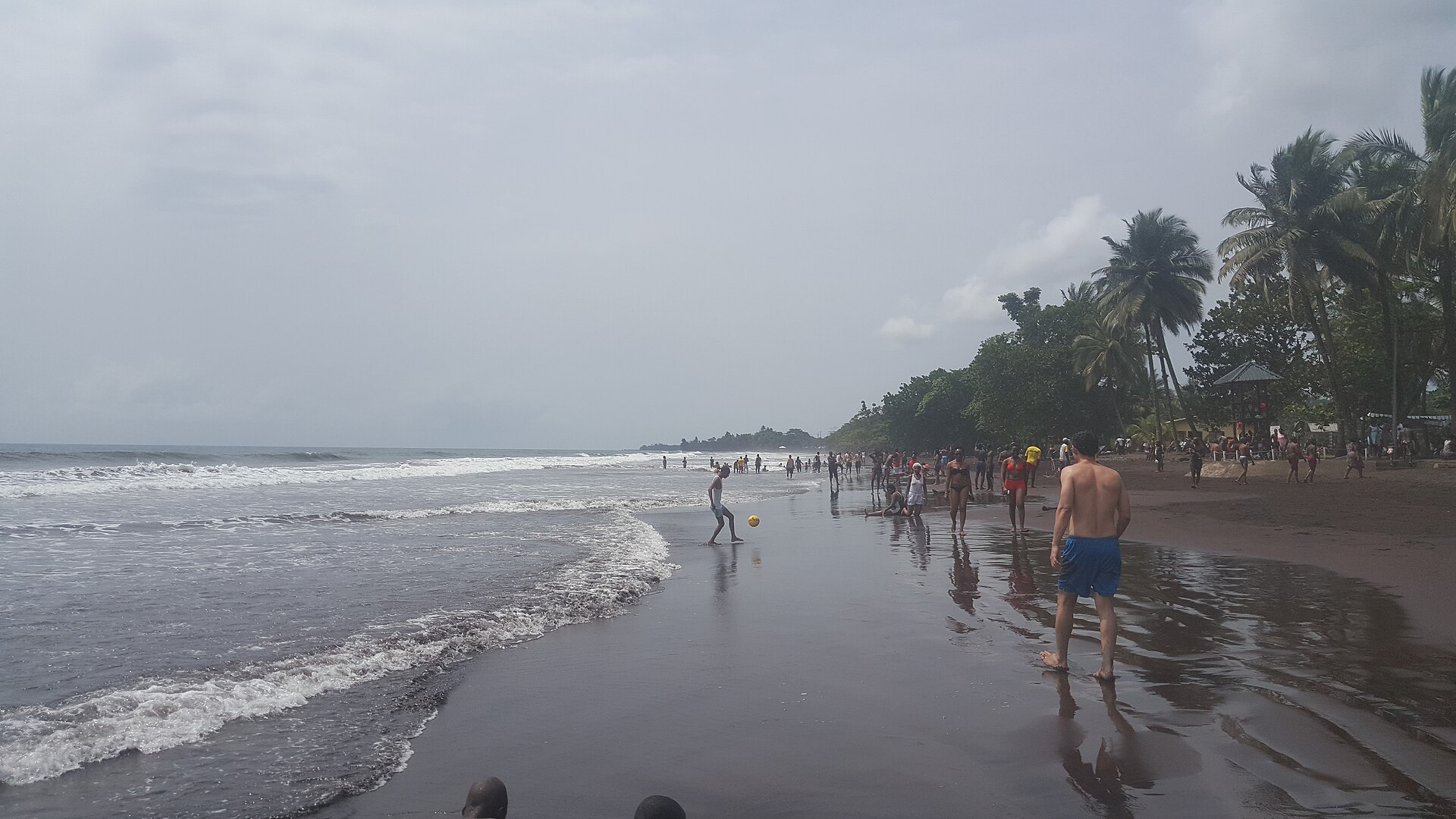
Photo: Nadnad30, CC BY-SA 4.0
Seme Beach Hotel
out of 5 0 ratingsNestled along the coast of Limbe, where the Atlantic Ocean meets the dense greenery of Cameroon’s southwest, Seme Beach Hotel feels like a quiet secret. This isn’t the kind of place where crowds gather or resort schedules dictate the day. Instead, it offers something rarer—a sense of stillness, where the rhythm of the waves sets the pace. Limbe itself has grown from a small fishing village into one of the country’s most picturesque coastal towns, though it hasn’t lost its unhurried charm. The air carries the salt of the sea and the earthy scent of the nearby rainforest, a reminder that this is a place where nature still takes center stage.
The hotel blends seamlessly into its surroundings, its low-slung buildings draped in bougainvillea and shaded by palms. The architecture is simple, almost understated, with wide verandas that open directly onto the beach. Inside, the rooms are spacious and bright, furnished with wooden pieces and woven accents that echo the coastal setting. There’s no grand luxury here, just a thoughtful comfort—large windows frame views of the ocean, and the sound of the surf drifts through open shutters. The design feels intentional, as if every detail exists to let the landscape speak for itself.
The beach in front of the hotel is one of its greatest draws. Unlike the busy shores of more tourist-heavy destinations, this stretch of sand is often empty, save for the occasional fisherman mending his nets or children playing near the water’s edge. The sand itself is dark, almost black in places, a reminder of the region’s volcanic past. The ocean here is warm year-round, though the currents can be strong, and the waves sometimes unpredictable. Swimming is possible, but it’s the kind of place where you’re more likely to wade in the shallows or simply sit on the sand, watching the tide roll in. At dawn, the beach comes alive with the return of fishing boats, their hulls heavy with the day’s catch, while the evenings bring a quiet stillness, broken only by the crackle of driftwood in a bonfire.
Limbe has a character all its own. It’s a small city, but one with layers—colonial-era buildings stand alongside vibrant markets, where vendors sell everything from fresh mangoes to handwoven baskets. The streets hum with a mix of languages, and the scent of grilled fish and spices lingers in the air. Just outside the city, the Limbe Botanic Garden offers a glimpse into the region’s rich biodiversity. Established over a century ago, it’s home to towering trees, rare orchids, and plants found nowhere else. For those willing to venture further, Mount Cameroon looms in the distance, its slopes covered in dense forest. The climb to the summit is challenging, but the reward is a view that stretches across the ocean and far beyond.
Seme Beach Hotel isn’t a place for those seeking nightlife or organized entertainment. There are no beachfront bars or scheduled activities, just the quiet company of the sea and the sky. Evenings here are for unwinding—perhaps with a drink on the veranda, listening to the stories of local fishermen, or joining a small gathering around a fire on the sand. The hotel’s staff often share tales of the area, from the legends of the sea to the daily realities of life in this part of Cameroon. It’s the kind of place where time slows down, where the hours are marked by the changing light rather than the ticking of a clock.
The food at the hotel is straightforward but satisfying, built around the freshest local ingredients. Seafood dominates the menu—grilled lobster, spicy fish stews, and prawns caught just hours before. For those curious about Cameroonian cuisine, Limbe offers a chance to try dishes like ndolé, a rich stew made with bitter leaves, peanuts, and meat, or eru, a hearty soup thick with wild greens. The town has a handful of small restaurants where the cooking feels homemade, and the owners are usually happy to explain the flavors or recommend something new. There’s no need to rush through a meal here; the food is meant to be savored, just like the view.
Beyond the hotel, Limbe and its surroundings invite exploration. The nearby Mungo River cascades into waterfalls that are worth the trip, their cool mist a contrast to the coastal heat. Small villages dot the countryside, where traditional ways of life persist, and visitors can learn about local customs or buy handmade crafts. The town’s waterfront is lively in its own understated way—fishermen unload their boats, women sell smoked fish, and the occasional cargo ship drifts into the harbor. There’s no grand spectacle, just the steady pulse of a place that has existed for generations, largely unchanged.
What makes Seme Beach special isn’t any single feature, but the way it all comes together—the way the ocean sounds at night, the way the light filters through the palm trees, the way the town feels both connected to the wider world and entirely its own. This isn’t a destination for those who want everything planned out or every comfort catered to. It’s for travelers who are content to let the place reveal itself slowly, who don’t mind that the Wi-Fi might be spotty or that the nearest ATM is a drive away. Here, the real luxury is the absence of distractions—the chance to wake up to the sound of waves, to spend a day with nothing but a book and the horizon, to watch the sunset paint the sky in shades of gold and pink.
In the end, Seme Beach feels less like a hotel and more like a pause in the journey. It’s a place where you can step out of time for a while, where the boundaries between the built and the natural blur. The staff, the guests, even the locals who stop by the beach—everyone seems to understand that this is a spot where the usual rules don’t apply. There’s no need to fill the silence with chatter or the days with activity. The ocean, the forest, and the quiet rhythm of Limbe are enough.
Day around this place
Where else to go on the same day
Building the day…
Where it is
4.05690, 9.05340