- Home
- Sri Lanka
- Dehiwala-Mount Lavinia
- Mount Lavinia Hotel
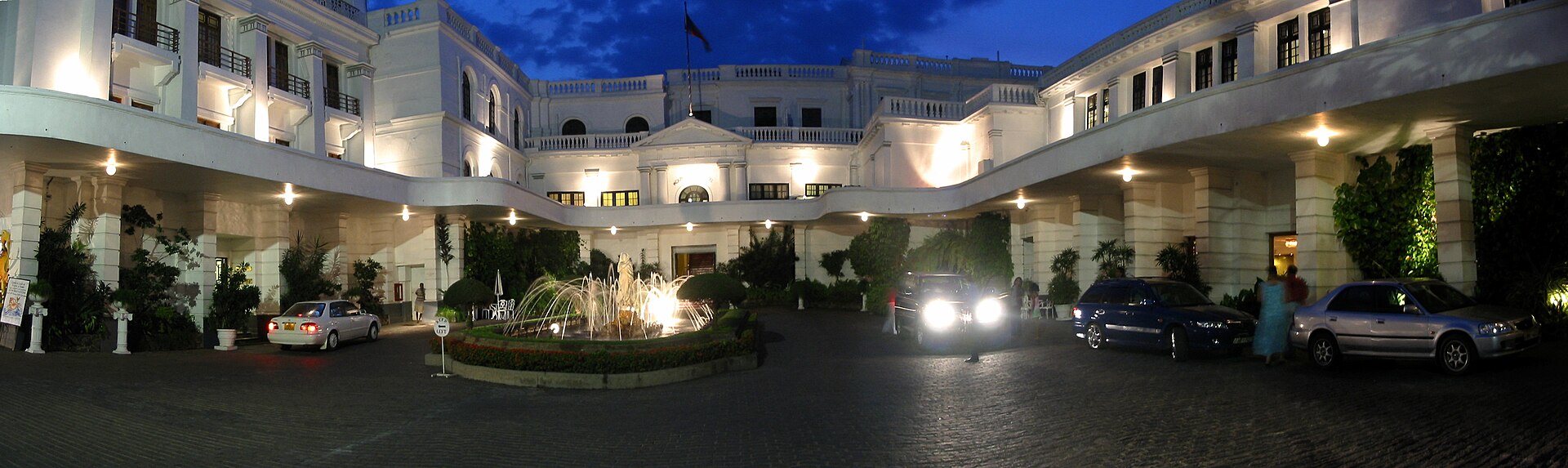
Photo: Hansueli Krapf, CC BY-SA 3.0
Mount Lavinia Hotel
out of 5 0 ratingsPerched on the edge of the Indian Ocean, Mount Lavinia Hotel is one of those rare places where history doesn’t just linger in the past—it breathes alongside the present. Built in the early 1800s as the official residence of the British governor, the building still carries the weight of its colonial origins, though now it wears them lightly. The high ceilings, wide verandas, and dark wooden doors feel less like museum pieces and more like quiet witnesses to the decades that have unfolded here. There’s a sense that time moves differently within these walls, as if the ocean outside has been keeping its own rhythm for centuries, and the hotel has simply learned to follow along.
The architecture is a blend of British colonial grandeur and local craftsmanship, a combination that gives the place its distinct character. The white columns and arched windows might suggest a typical colonial estate, but the details tell a different story—like the dark, polished wood that has been sourced from Sri Lanka’s forests for over two hundred years. The grand hall, with its fireplace and sweeping views of the sea, was once the setting for lavish balls and political gatherings. These days, it hosts quieter affairs: evening cocktails, live music drifting through the air, and the occasional murmur of conversation mixing with the sound of waves. The space hasn’t lost its elegance, but it has softened with time, becoming more intimate than imposing.
The beach outside is just as much a part of the hotel’s identity as the building itself. Unlike the crowded resorts further down the coast, Mount Lavinia’s shoreline feels almost private, even when it isn’t. The sand stretches in a long, unbroken line, lined with palms that sway in the breeze, while the ocean shifts between gentle and restless depending on the season. In the mornings, fishermen push their wooden boats into the water, their movements practiced and unhurried. By evening, small fires dot the beach, drawing locals and guests alike to sit and watch the sunset. It’s the kind of place where you might strike up a conversation with a stranger or simply lose track of time, lulled by the sound of the tide.
History isn’t just preserved here—it’s lived in. During World War II, the hotel served as a British military headquarters, and in the years that followed, it became entangled in the island’s struggle for independence. These days, the past is mostly visible in small details: the old photographs lining the walls, the antique clock that still keeps time, the narrow staircase leading to the roof, where the entire bay unfolds below. There’s no grand narrative forced upon visitors, just the quiet sense that the building has seen more than its share of life, and that some of it still lingers in the corners.
For many, staying at Mount Lavinia isn’t just about having a place to sleep. It’s about stepping into a different pace of life, one that values stillness over spectacle. There are no flashy resort amenities here, no nightly entertainment schedules—just the steady hum of the ocean and the occasional clink of glasses in the bar. The atmosphere is unpretentious but refined, as if the hotel has spent two centuries perfecting the art of making guests feel both welcome and slightly removed from the world outside. It’s the kind of place where you might spend an afternoon reading in a wicker chair on the veranda, or wander the halls just to see what stories the walls might tell.
The hotel has aged well, thanks in part to careful restorations that have modernized the interiors without erasing their history. The rooms are spacious, with high ceilings and large windows that frame the ocean like a painting. Some still have their original fireplaces and antique furniture, while others have been updated with a lighter touch, though even these retain a nod to the past. The restaurant is known for its seafood, much of it sourced from the nearby fish market, and its Sri Lankan dishes, which are prepared using traditional recipes. There’s no need for extravagance when the ingredients speak for themselves.
The surrounding area offers enough to fill a few unhurried days. Colombo is just a short drive away, and while the city’s energy is a contrast to the hotel’s tranquility, it’s worth visiting for places like the Gangaramaya Temple, with its eclectic mix of architectural styles. Closer to home, the Dehiwala market is a good spot for spices and handmade crafts, though many guests find themselves reluctant to leave the hotel’s orbit. There’s something about the way the light falls on the water at dawn, or the way the evening breeze carries the scent of salt and frangipani, that makes it hard to imagine being anywhere else.
Mount Lavinia isn’t a place for those seeking the polished perfection of a luxury resort. It’s for travelers who prefer authenticity over spectacle, who are as interested in the stories a building can tell as they are in the view from its windows. The hotel has survived wars, political upheavals, and the slow march of time, and in doing so, it has become more than just a landmark—it’s a living piece of Sri Lanka’s past. That it remains a place where people choose to stay, rather than just visit, says something about its enduring appeal. It’s the kind of place that doesn’t just offer a room for the night, but a sense of belonging, however brief.
Day around this place
Where else to go on the same day
Building the day…
Where it is
6.83343, 79.86206