- Home
- The Netherlands
- Kinderdijk
- Hotel Kinderdijk
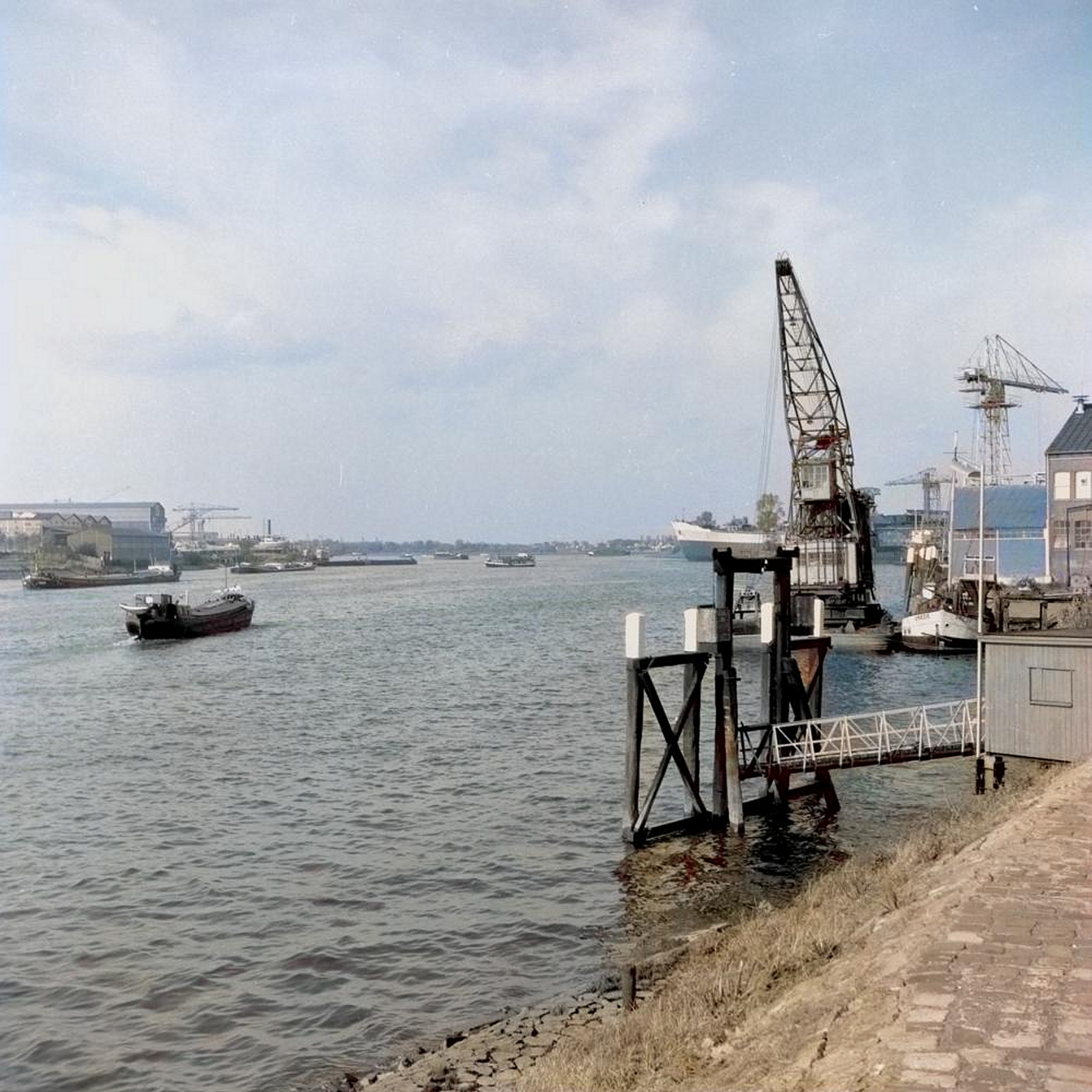
Photo: Unknown authorUnknown author, CC0
Hotel Kinderdijk
out of 5 0 ratingsHotel Kinderdijk isn’t just a place to spend the night—it’s a quiet corner of the Netherlands where history and everyday life still move to the same slow rhythm. Tucked into the heart of the village, the hotel feels like a natural part of the landscape, one that hasn’t changed much in centuries. Around it, the iconic windmills stand sentinel over low-lying fields and winding canals, their sails turning lazily in the breeze. There’s no city noise here, just the creak of wooden blades, the murmur of water, and the occasional call of a heron gliding overhead.
The building itself is unassuming, a converted old house that carries the warmth of traditional Dutch architecture. Inside, the ceilings are supported by sturdy wooden beams, and large windows let in streams of soft, northern light. The rooms are simple but thoughtfully arranged, with furniture that’s well-worn but cared for, as if each piece has its own story. The bed linens smell faintly of fresh air, as though they’ve just been taken down from a clothesline. It’s the kind of place where you don’t just stay—you settle in, surrounded by the quiet dignity of a home that’s seen generations come and go.
Kinderdijk is more than just a village; it’s a living monument to the Netherlands’ relationship with water. The windmills here, a UNESCO World Heritage site, were once the frontline defense against flooding, their mechanisms carefully managed by millers who understood the land’s moods. From the hotel, it’s a short walk to the mills, where you can watch the daily rituals unfold—shutters being opened, gears checked, and the great sails catching the wind. It’s a scene that hasn’t changed in hundreds of years, and standing there, it’s easy to imagine the same sights and sounds from centuries past.
There’s no grand dining room at Hotel Kinderdijk, but that’s hardly a loss. The village has a handful of small cafés where you can try classic Dutch dishes—thick pea soup with smoked sausage, herring served with raw onions, or warm waffles drizzled with syrup. The locals are friendly without being intrusive, used to visitors but never putting on a show. In the evenings, you might linger in the hotel’s cozy lounge, flipping through old photographs of the village or simply watching the windmills glow in the fading light.
This isn’t a place for those who crave nightlife or shopping. The rhythm here is set by the seasons and the tides. In summer, you can rent a bicycle and pedal along quiet paths that wind past tulip fields and over arched bridges, stopping at roadside stalls for fresh cheese or milk. When winter arrives and the canals freeze, the village transforms—skaters glide across the ice, and the air hums with laughter and the scrape of blades. It’s a different kind of beauty, one that feels both timeless and deeply ordinary.
The hotel doesn’t offer guided tours or organized activities, and that’s part of its charm. There’s no need to fill the days with plans. You can wake up early to watch the mist rise off the water, or spend an afternoon reading by the window as the light shifts across the fields. The real draw is the chance to step into a slower way of living, where the most meaningful moments happen in the spaces between things—between the turning of the mill sails, between the changing of the seasons, between one breath and the next.
For travelers accustomed to the buzz of cities, Kinderdijk might feel almost too quiet at first. But that stillness is what makes it special. There are no crowds, no traffic, no distractions—just the village, the water, the sky, and the windmills, all carrying on as they have for centuries. Hotel Kinderdijk doesn’t try to compete with that. Instead, it offers a quiet invitation: to slow down, to listen, and to remember what it feels like to be part of a place, even if only for a little while.