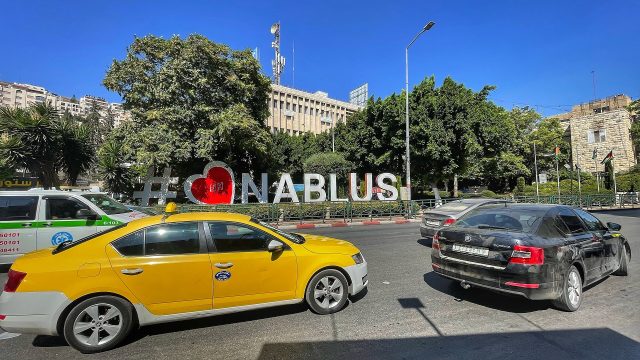
Qalqilya rarely appears in travel guides. Its history stretches back centuries, yet it remains tucked away on the West Bank of the Jordan River, moving at its own pace. The city’s central square isn’t just a landmark—it’s where daily life unfolds. Trade, conversation, and local events happen here without fanfare. The square has no monumental arches or fountains. Instead, its character comes from small, unscripted moments.
The buildings around the square are modest. Most date to the mid-20th century, when Qalqilya grew as a commercial hub. The architecture is practical: two or three-story structures with flat roofs, balconies, and small shops on the ground floors. Some facades have traditional Arab patterns; others show ever-changing graffiti. The square isn’t built to impress visitors. It’s shaped by the people who use it every day.
By daylight, the square is busy. Vendors sell fresh vegetables, spices, fabrics, and household goods from stalls on the sidewalks. Shoppers haggle or greet each other. The air smells of fresh bread, coffee, and warm spices. Mornings are especially lively, with residents buying groceries and schoolchildren rushing to class. Voices blend into a steady murmur—everyone knows their neighbors.
Evenings change the square. The heat fades, and men gather in cafés to drink tea or coffee. Women stroll after finishing their tasks. Children play soccer or dart between parked cars. Streetlights soften the buildings, making the square feel intimate.
Qalqilya’s history is tied to its location. For centuries, it was a stop between the Mediterranean coast and the Palestinian interior. During the Ottoman era, caravans passed through. In the early 20th century, a railway connected it to Haifa. The square likely emerged as a natural gathering point, where travelers rested and deals were made. Though the railway is gone, the square remains the city’s heart.
The square still plays a central role. It hosts gatherings, protests, and fairs. During Eid al-Fitr and Eid al-Adha, lights decorate the area as families celebrate. There are no grand ceremonies—just the quiet rituals of community.
To an outsider, the square might seem ordinary. There are no grand monuments or polished attractions. But that’s what makes it special. No tourist traps, no pushy guides, no souvenir shops. Just the rhythm of daily life, untouched by visitors’ expectations. Sit in a café and watch the square shift from morning bustle to evening calm. Each moment shows the lives of those who call this place home.
Qalqilya exists on its own terms. Its square is unassuming yet welcoming. For those who visit, it offers a rare glimpse into Palestinian provincial life—where time moves slowly and people value simple things. A shared cup of coffee. A conversation with a neighbor. The comfort of being among those who matter.