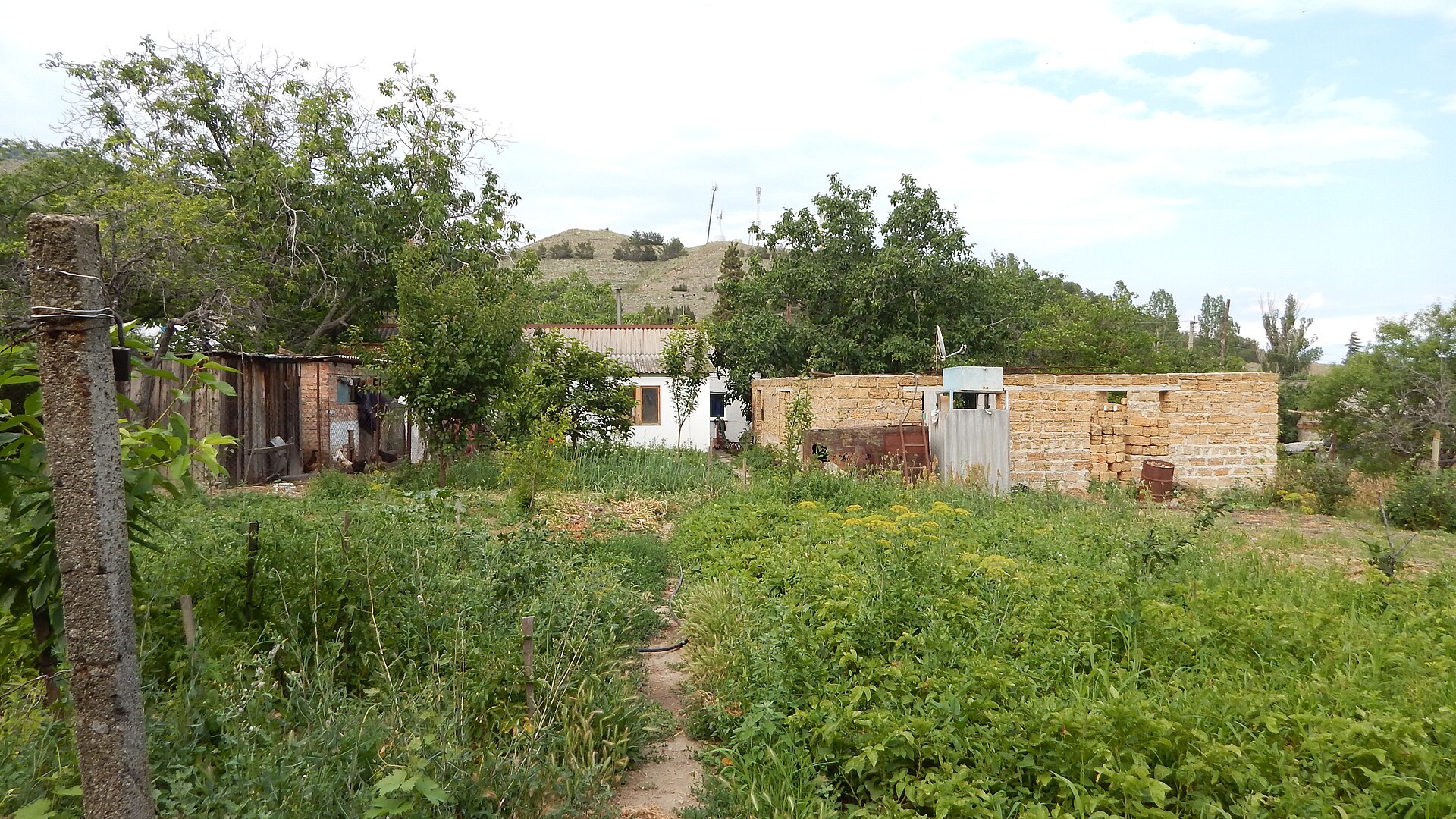
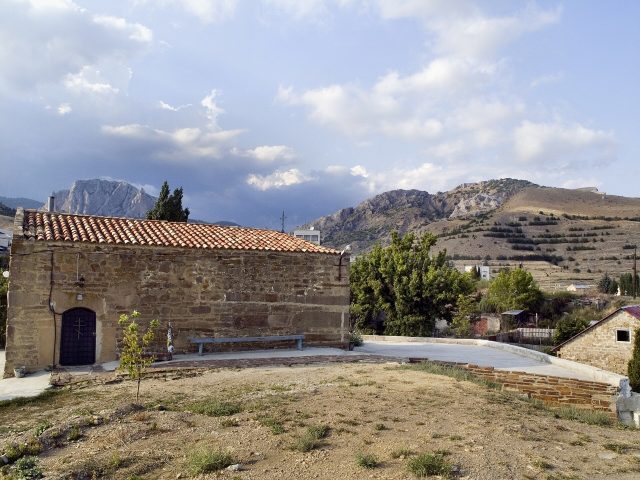
The Southern Urals unfold here in layers—rolling foothills, dense forests, and in winter, snow so thick it muffles every sound. Sun Valley sits in the middle of it, a place where the landscape feels both vast and close. No high-rises block the view, no traffic hums in the distance. Just slopes, trails, and the occasional track of a fox in the snow.
In the 1950s, a group of local skiers cut the first trails by hand. They built makeshift lifts from whatever they could find and gathered in a small lodge to warm up after long days on the mountain. Some of those early skiers trained here before moving on to competitions; others never left, staying to teach or run the lifts. The resort has grown since then—new lifts, wider trails—but you can still see the old photos in the cafés, hear the stories in the voices of the instructors.
The Slopes
Beginners start on wide, gentle runs where the snow is packed just enough to hold an edge. Instructors stand nearby, ready to correct a stance or steady a wobble. For those who’ve skied before, the mountain offers steeper descents, sharp turns, and enough elevation change to keep things interesting. The runs aren’t the longest in the region, but they twist through forests and open onto sudden views of the valley below. Snow usually lasts from November until April, and the cold air makes the powder dry and fast.
One trail winds through a stand of birches, their branches heavy with snow. Another drops suddenly into a clearing where the wind has scoured the ground bare. A third follows a ridge, with the valley stretching out on one side and the forest on the other. You don’t need to be an expert to notice the difference—how the light changes as you move, how the trees lean into the wind, how the snow sounds different under your skis in each section.
Beyond the Slopes
In winter, snowmobiles cut tracks through the woods. In summer, the same trails become hiking and biking routes. The area is full of small lakes, rocky outcrops, and forests where moose sometimes wander. Locals lead walks through the woods, pointing out the layers of rock in a cliff face or the way a beaver dam has changed the flow of a stream. They’ll tell you about the people who lived here before the resort—how they hunted, built their homes, and adapted to the long winters.
The resort itself is small. A few cafés serve food that doesn’t pretend to be anything but filling: dumplings, blinis, tea brewed in a samovar. Cabins and guesthouses offer places to stay, some with fireplaces, others with just a bed and a window looking out at the trees. There’s a shop for rentals, a repair stand for skis, and a small counter selling wool socks, wooden carvings, and honey from nearby villages.
The Atmosphere
In winter, the snow sparkles under the sun. Trees stand still, their branches heavy with frost. The air is so clear it feels like you could reach out and touch the mountains in the distance. At night, the ski lifts glow against the dark, and mist rises from the valley like smoke. Summer brings wildflowers, long sunsets, and the sound of woodpeckers in the woods. The light changes constantly—soft in the morning, harsh at midday, golden in the evening.
Time moves differently here. No one hurries. No one checks the clock. The seasons set the pace: snowstorms in winter, long sunsets in summer, the slow melt of ice in spring. That’s why people come back—not just for the skiing, but for the quiet. For the way the air smells of pine and snow. For the way the light hits the slopes at dawn. For the silence, which isn’t empty at all.