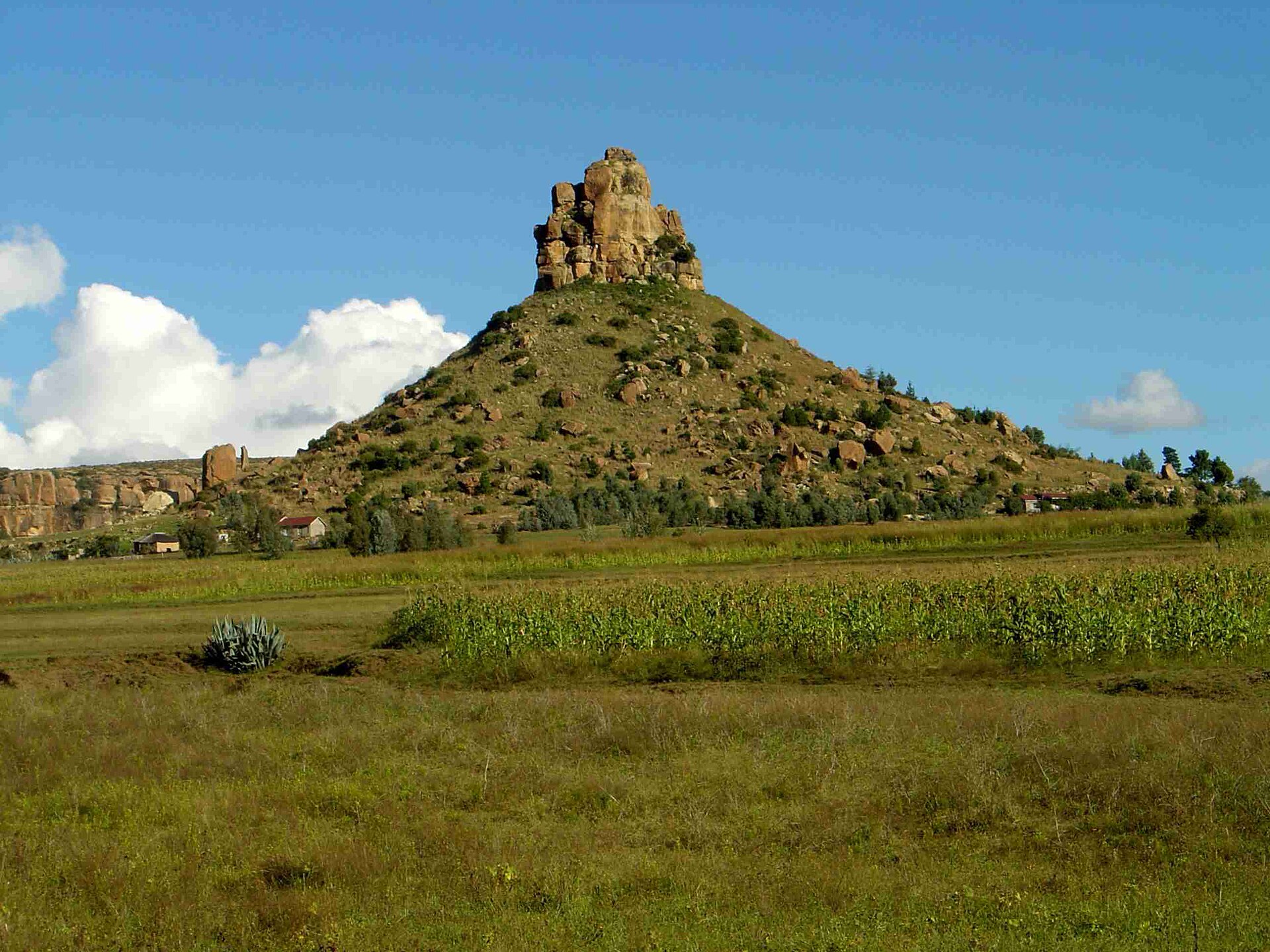
Thaba-Bosiu isn’t just a mountain on the outskirts of Maseru—it’s the heart of Lesotho’s story. Rising abruptly from the surrounding plains, its sheer cliffs and rugged slopes have shaped the nation’s fate for centuries. The views from the summit stretch across endless rolling hills and winding rivers, but the real draw isn’t the scenery. It’s the weight of history carried in every stone, every path worn smooth by time and struggle.
In the mid-1800s, when European colonizers and rival African kingdoms threatened to overrun the land, King Moshoeshoe I made Thaba-Bosiu his stronghold. He recognized the mountain’s natural defenses: narrow, winding trails that could be easily guarded, and cliffs that made direct assaults nearly impossible. From this fortress, the Basotho people repelled attacks by the Boers and Zulus, preserving their independence through both force and diplomacy. Moshoeshoe wasn’t just a warrior—he was a strategist, forging alliances and avoiding unnecessary bloodshed when he could. Thaba-Bosiu became more than a refuge; it was a symbol of resilience, where survival depended on both strength and wisdom.
Today, the remnants of the old stone walls still stand, built without mortar in the traditional Basotho style—each rock carefully fitted to the next. At the center of the plateau, the foundations of the royal dwellings remain, along with a small chapel added later by missionaries. Near the base, caves once sheltered women and children during sieges, and some still bear faint traces of ancient rock art left by earlier inhabitants. These quiet spaces feel charged with the past, as if the voices of those who sought safety here still linger in the cool, still air.
The climb up isn’t easy. The path twists through boulders and loose scree, and the thin mountain air makes each step deliberate. But the effort is part of the experience—there’s no rush, no crowds, just the sound of wind through the grass and the occasional cry of a bird. Local guides, many of them descendants of the Basotho who once defended this place, lead visitors along the same routes used by warriors and messengers centuries ago. They point out where battles were fought, where the king received foreign dignitaries, and where elders gathered to make decisions that would shape the nation’s future. Their stories give the landscape a voice, turning rocks and earth into witnesses of history.
For the people of Lesotho, Thaba-Bosiu is more than a historical site. It’s a living monument, where national holidays are celebrated and traditional ceremonies still take place. Elders meet here to discuss community matters, and the mountain’s presence is a reminder of the struggles that forged the country. There’s no need for grand declarations—its significance is felt in the quiet pride of those who visit, in the way the past seems to settle over the land like a second skin.
At the foot of the mountain, life moves at its own pace. Shepherds tend to flocks of sheep and goats on the surrounding pastures, a scene that hasn’t changed much since Moshoeshoe’s time. The villages below hum with everyday activity, but the eye keeps drifting back to the plateau, as if drawn by something deeper than curiosity. Thaba-Bosiu doesn’t demand attention—it simply endures, a silent guardian of stories that don’t need embellishment. The mountain has seen kingdoms rise and fall, but it remains, steadfast and unyielding, just as it was when the fate of a nation was decided on its slopes.