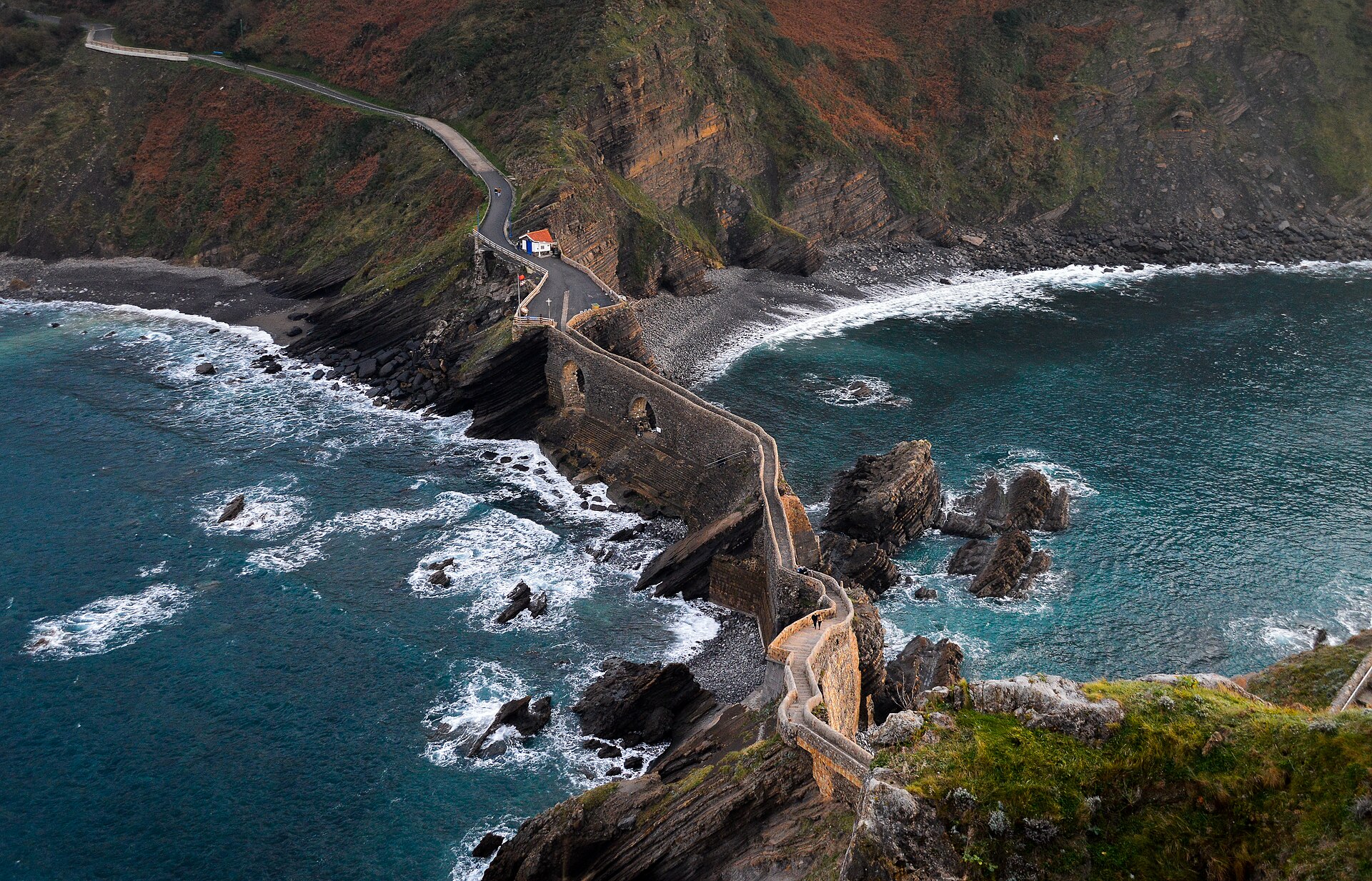
Gazteluagache is one corner of Bilbao where the city’s noise gives way to quiet. Tucked away on the outskirts, this neighborhood feels suspended in time. There are no crowds, no souvenir shops—just narrow lanes lined with stone houses, their wooden balconies weathered by sun and rain. Walking here, you can imagine life centuries ago, when the pace followed the seasons.
The history of Gazteluagache is part of Bilbao’s story. Once a separate village, it grew around an old estate that gave the area its name. The word comes from the Basque *Gaztelu-gatxe*, meaning "ruined castle," though no fortress remains. What endures are the echoes of the past: ancient farmhouses, a modest church, and fragments of medieval roads that once carried goods to Bilbao’s port. These roads were lifelines, connecting the countryside to the city’s trade, and their worn stones still hint at the generations who traveled them.
The architecture here blends traditional Basque style with later influences. Houses were built from local stone, their thick walls and small windows designed to keep out winter cold and summer heat. Many feature wooden balconies, where laundry once dried or flowers spilled over the edges. Some old farmsteads still stand, their outbuildings huddled close to the main house—a layout that reflects a time when work and home were one. While a few have been modernized, the past lingers.
For centuries, Gazteluagache was a place of farming and livestock. Cows and sheep still graze on the edges of the neighborhood, and small plots of land are tended by those who keep the old ways alive. The area was once known for its dairy products, and a few farms still produce cheese and butter the traditional way. You might stumble upon one of these places, where the scent of fresh milk hangs in the air and the owners share what they’ve made.
Gazteluagache doesn’t have grand monuments or museums. That’s what makes it special. This is Bilbao without the polish, where history isn’t preserved in glass cases but lived in the cracks of the pavement and the creak of wooden shutters. Cars are rare here. The streets belong to locals walking their dogs, chatting on doorsteps, or sitting on benches, watching the day go by. Time doesn’t just pass—it lingers.
At the heart of Gazteluagache stands the Church of Saint Anthony. Built in the 17th century, it has changed little since then. Inside, the air is cool, the wooden pews worn smooth by generations. Faded frescoes depict scenes from the lives of saints, their colors softened by time. On Sundays, the church fills with the voices of locals, a reminder that for many, this was the center of community life.
Beyond the houses, the land rises into gentle hills. Old paths wind through the greenery, the same routes once used by shepherds. There are no marked trails, just the quiet invitation to explore. In spring, the hills burst into color; in autumn, the leaves turn gold and crimson. A few small parks dot the area, where families gather for picnics or let their dogs run free. The city feels far away, though it’s just a short walk down the hill.
What makes Gazteluagache remarkable is how little it has changed. Just a few kilometers from Bilbao’s center, it moves to a different rhythm. There’s no need to rush. The charm lies in the ordinary—the way sunlight slants across a stone wall, the sound of a neighbor calling to a child, the slow conversation between two old friends on a bench. It doesn’t reveal itself all at once but unfolds gradually.
If you’re looking for the soul of Bilbao, you won’t find it in guidebooks or postcard sights. You’ll find it here, in the quiet persistence of a neighborhood that has held onto its past. Gazteluagache isn’t a place you visit. It’s a place you experience.