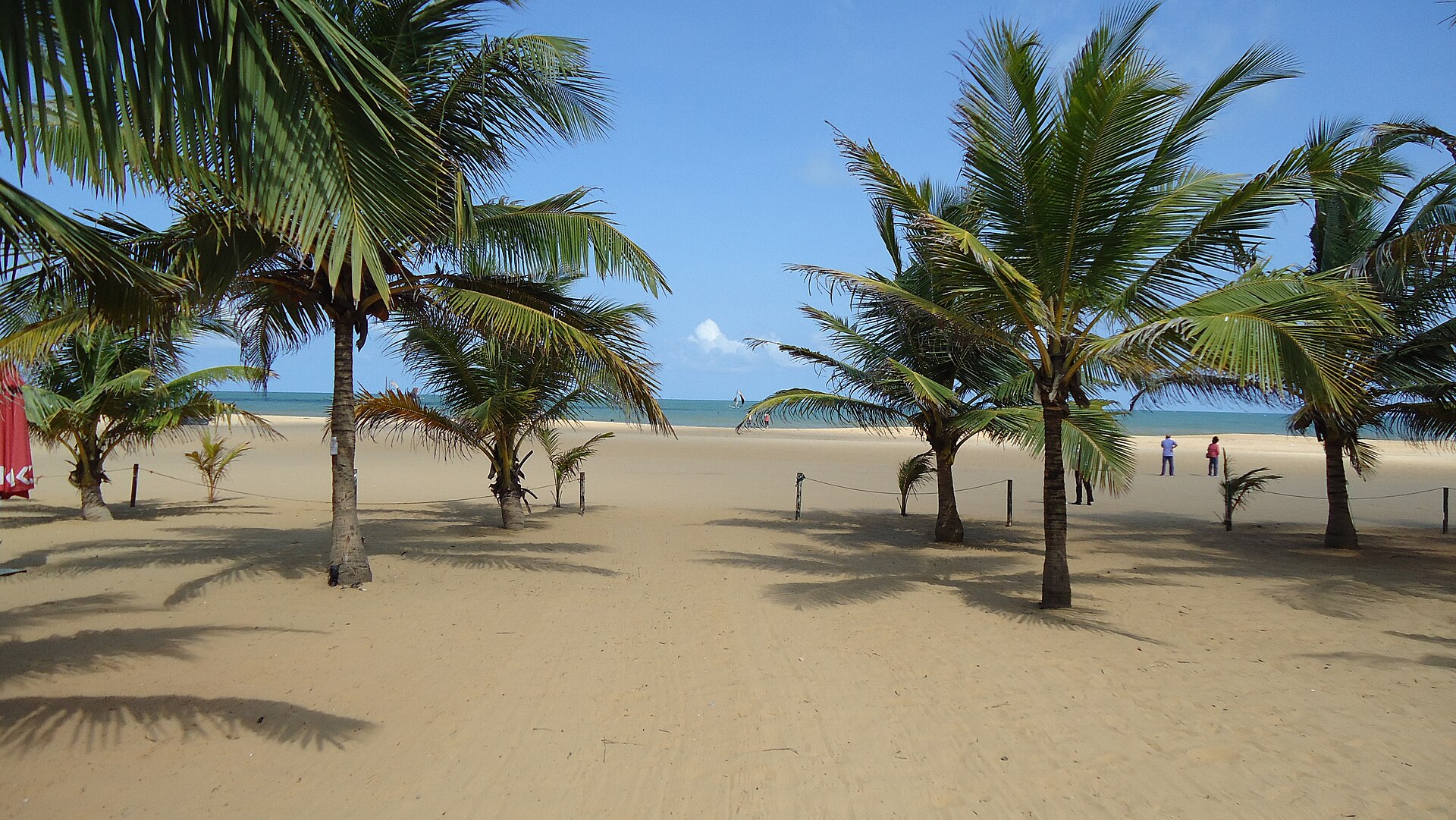
Galle Face Green is one of those rare places in Colombo where the city’s restless energy softens into something quieter, more expansive. Stretching along the Indian Ocean shoreline, this long strip of open land feels like a breath of fresh air in a capital that often moves too fast. There are no towering skyscrapers here, no crowded markets or polished tourist attractions—just sand, sea, and sky, with the occasional palm tree swaying in the breeze. It’s a place where locals and visitors alike come to slow down, whether for a morning jog, an evening stroll, or simply to watch the waves roll in.
The history of Galle Face Green goes back to the mid-19th century, when British colonial authorities set aside this stretch of land as a recreational space for the city’s growing population. In those days, it was much larger, extending from Colombo Fort all the way to what is now the government district. The area hosted horse races, cricket matches, and military parades, serving as a gathering point for both leisure and spectacle. Over time, parts of it were built over, but the core remained—a public space that has outlasted empires and urban development, still serving its original purpose: a place for people to simply be.
What makes Galle Face Green unusual is how unremarkable it is in the best possible way. There are no grand monuments or ornate buildings, just a few scattered benches, old lampposts, and the occasional vendor’s cart. The real architecture here is the ocean itself, its vastness framing the scene. Yet the surrounding area tells another story. Nearby, colonial-era buildings stand as reminders of Colombo’s past as a key British port, their weathered facades adding a layer of history to the landscape. The most notable of these is the Galle Face Hotel, which has overlooked the green since 1864. Its whitewashed walls and wide verandas have seen generations of guests, from colonial officials to modern travelers, all drawn by the same view of the sea.
The rhythm of life at Galle Face Green changes with the hours. Early mornings belong to those seeking solitude—joggers pacing along the shore, yoga enthusiasts stretching on the sand, or fishermen preparing their boats for the day. By midday, the space fills with families. Children fly kites that dance in the ocean wind, while vendors set up their stalls, selling fresh coconuts, tropical fruit, and the kind of street food that defines Sri Lankan flavors. The scent of *isso wade*—crispy battered shrimp—mingles with the salty air, and the sound of sizzling *kottu roti* being chopped on hot griddles adds to the sensory mix. There’s no rush here; people eat where they stand, chat with neighbors, or just watch the world go by.
As the sun begins to set, the green transforms again. The light softens, casting long shadows across the sand, and the sky takes on hues of gold, pink, and deep blue. This is when the place feels most alive. Groups of teenagers kick footballs near the water, couples walk hand in hand along the shore, and older men sit on benches, talking quietly or simply watching the waves. Sometimes, the sound of a *rabana*—a traditional drum—fills the air, its rhythmic beats drawing a small crowd. There’s no schedule, no agenda; just the natural ebb and flow of people coming and going as they please.
Galle Face Green has a way of reflecting the mood of the city itself. On festival days, it becomes a stage for celebrations—music, dance, and food stalls turning the space into a lively gathering spot. During the monsoon season, the ocean roars, waves crashing against the shore with a force that reminds everyone of nature’s power. But on ordinary days, it’s a quiet escape, a place to step away from the noise of traffic and commerce. There are no rules here, no entry fees or opening hours. Whether you come for a quick break or a long evening, the green absorbs you into its unhurried pace.
For many visitors, Galle Face Green is their first real taste of Colombo. It’s not a museum or a curated attraction, and that’s precisely why it resonates. Here, the city reveals itself without pretense—no polished facades, no tourist traps, just the raw, everyday life of a capital that has seen centuries of change. You could spend hours watching how the light shifts, how the crowd thins and thickens, how the ocean’s mood changes with the tides. It’s a place where time feels different, where the past and present coexist without fanfare.
In recent years, there’s been talk about what the future holds for Galle Face Green. Some argue for modernizing it—adding cafes, playgrounds, or even a boardwalk—while others insist it should stay exactly as it is. For now, it remains a rare kind of public space, one that hasn’t been over-designed or commercialized. That might be its greatest strength. It doesn’t try to be anything more than what it is: a stretch of land where the ocean meets the city, and where people come to remember what it feels like to simply exist in a moment. In a world that often demands too much, that’s enough.