Fort George
Fort George sits at the northern tip of Belize City, where the Caribbean Sea meets the Belize River. This peninsula, bleached by the sun, has seen centuries of change—once a military outpost, now a place where locals walk along the seawall at dawn or watch the sunset.
The area is named after a British colonial fort built in the late 18th century. Back then, Belize was called British Honduras, and the fort was part of a defense network against Spanish raids. Made of wood and earthworks, it was typical for the tropics, where stone was rare and humidity made permanent structures difficult. By the early 20th century, almost nothing remained. What survives is the neighborhood’s grid of wide, straight streets—unusual in a city where most roads follow the coastline.
The lighthouse is the most visible reminder of the past. A squat, whitewashed tower, it has guided ships into the harbor since 1830. The light still works, though the harbor is quieter now. In the past, mahogany, logwood, and chicle were loaded here for Europe and North America. The lighthouse has outlasted those industries and now stands as a quiet marker of a time when Belize’s fortunes depended on the sea.
The seawall is where Fort George feels most alive. Built in the 1930s to protect the city from erosion and storms, it stretches along the coast. People walk, fish, or sit and watch the water. On weekends, families bring picnics, and fishermen cast their lines. The wall is just concrete and stone, but the view makes it worth the walk. To the east, the Caribbean stretches in blues and greens; to the west, the Belize River mixes its brown waters with the sea. At low tide, old wooden piers emerge from the sand, half-buried remnants of the ships that once docked here.
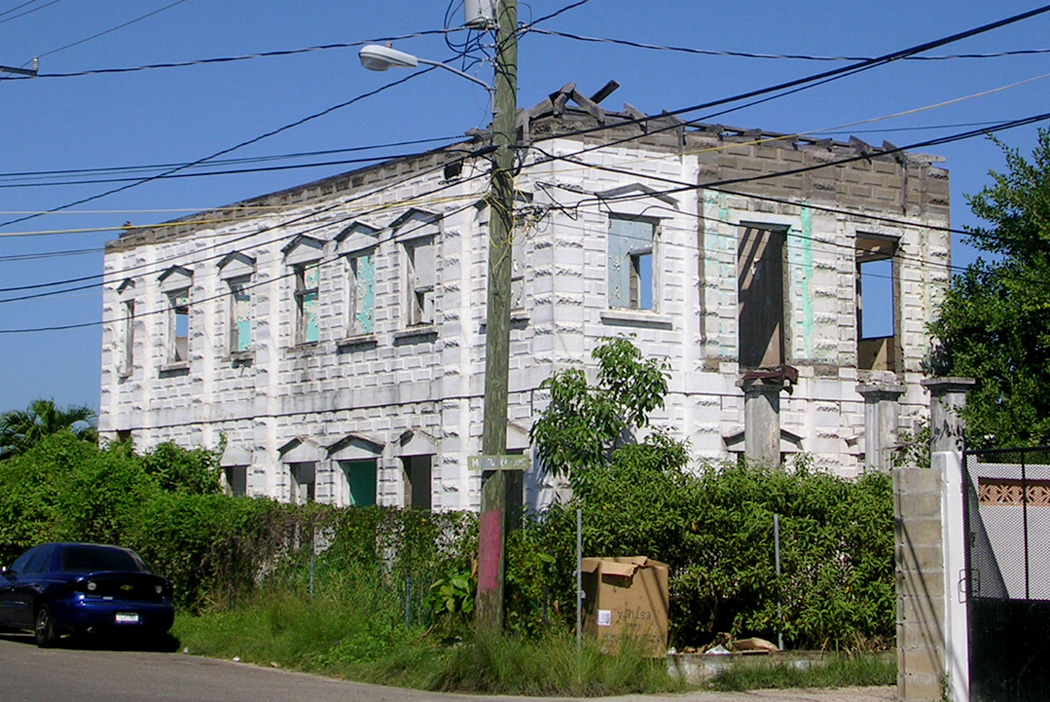
The neighborhood blends old and new. Some houses are wooden, raised on stilts in the Creole style, their verandas shaded by mango trees. Others are concrete, rebuilt after hurricanes. The streets are quiet, lined with sea grape trees. Unlike the busier parts of Belize City, Fort George moves slowly. The only sounds are the wind, the waves, and the occasional seabird.
Fort George doesn’t feel like a tourist spot. There are no souvenir shops or guided tours. The history is there—the lighthouse, the seawall, the old cannon near the police station—but it’s not packaged for visitors. This makes it a place to see Belize City as it is, not as it appears in brochures. Most people here are locals, and the conversations you hear are in Kriol, Spanish, or English.
Artists, musicians, and writers have long been drawn to Fort George. The light here—the way it reflects off the water, the long shadows in the afternoon—makes it feel like a place where ideas take shape. You won’t find galleries, but you might see a painter by the seawall or hear a drum circle. The lack of commercialization gives it a rare authenticity.
Fort George isn’t a place for a single attraction. It’s where you wander in by accident, then return to again and again. Maybe it’s the salt and frangipani on the breeze, or the lighthouse beam cutting through the evening fog. Maybe it’s the quiet history in the air, like the tide coming and going. Whatever it is, Fort George stays with you. It’s not the heart of Belize City, but it might be its soul.