Fort Bullen is one of those places in The Gambia that doesn’t make it into glossy travel brochures, yet it holds a story deeper than most tourist attractions. Perched on the western edge of Bakau, where the land meets the Atlantic, the fort feels suspended in time. Its weathered walls have witnessed eras that shaped not just this country but an entire region. Today, it stands as a quiet monument to history, drawing those who seek something real rather than just another photo opportunity.
Built in the early 19th century, Fort Bullen was part of Britain’s network of coastal defenses, designed to enforce the abolition of the slave trade. At the time, The Gambia was a critical point along West Africa’s coastline, where ships departed for the Americas carrying enslaved people. The fort was strategically placed on a small headland overlooking the mouth of the Gambia River, offering a clear view of passing vessels. When the slave trade was officially outlawed, its military purpose faded, but its historical significance remained.
The fort’s architecture is unadorned and practical, exactly what you’d expect from a defensive structure of its time. Thick stone walls, narrow gun slits, and the remnants of bastions speak to the builders’ focus on function over aesthetics. Inside, the ruins of barracks and storage buildings still stand, though time and the tropical climate have taken their toll—some structures have collapsed, while others are cracked and covered in moss. Yet even in this state, the fort leaves a strong impression, especially when you climb to its upper level and gaze out at the ocean, imagining the scene two centuries ago.
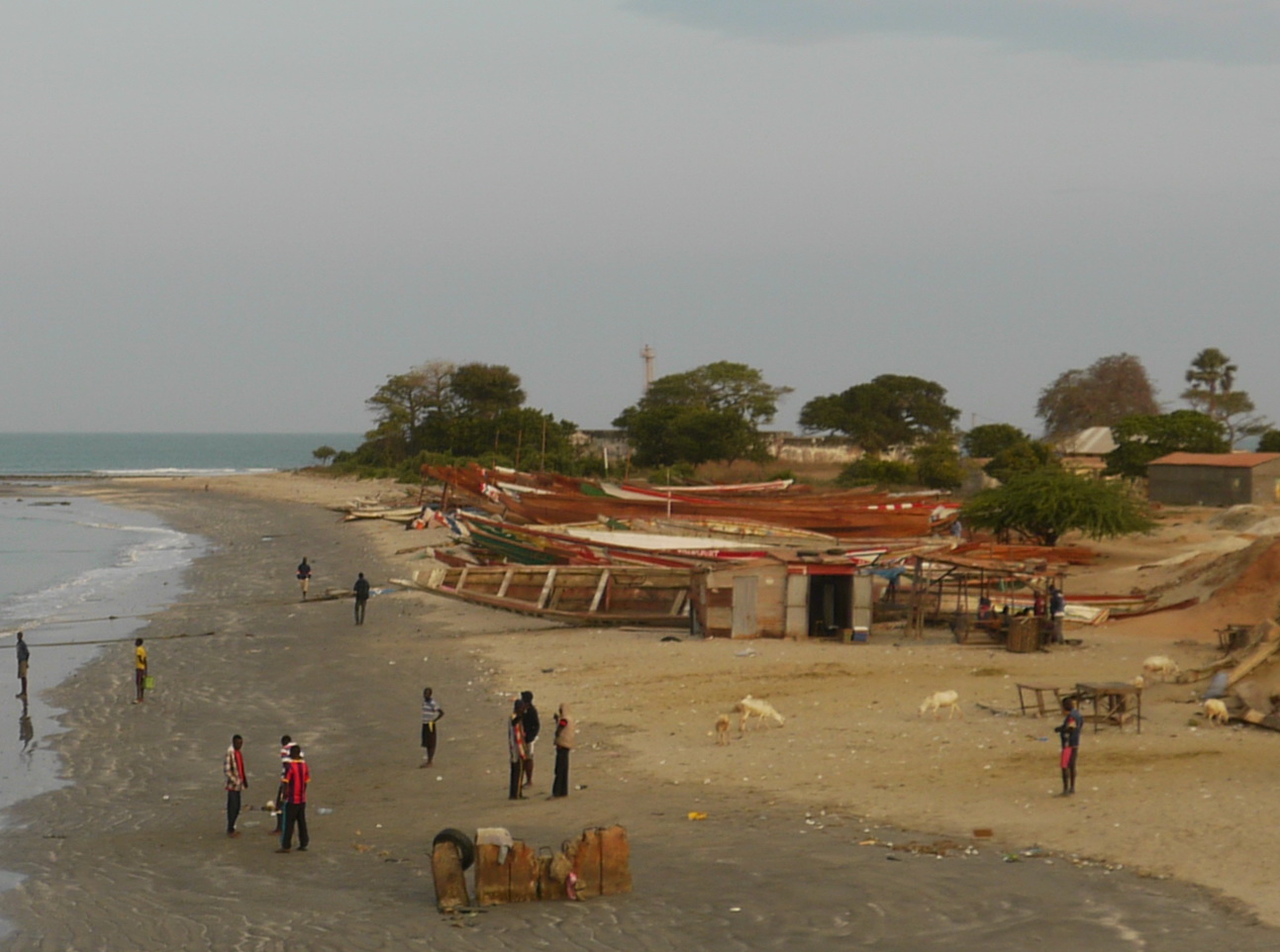
There’s no museum here, no guided tours, no crowds. Fort Bullen is a place where history feels tangible. You walk among the ruins, run your fingers over the rough stone, listen to the waves crashing below, and try to picture what life was like for those who once lived and worked here. Occasionally, local fishermen rest in the shade of its walls, and children play among the ruins, unaware that their games unfold against one of history’s darkest backdrops.
Despite its grim past, the fort doesn’t feel oppressive. Perhaps because time has softened its edges, and nature is slowly reclaiming what was once taken from it. Tropical plants push through cracks in the stone, birds nest in the crevices, and the ever-changing ocean reminds you that everything passes. Fort Bullen isn’t just a monument to the slave trade—it’s a reminder of how fragile human civilization is in the face of time.
For those interested in Gambian history, the fort is a must-visit. It’s less famous than James Island, where a restored slave trading post stands, but that’s precisely why it feels more authentic. James Island is polished, explained, and packaged for tourists. Fort Bullen, on the other hand, offers only the essentials: stone, wind, and sea. That simplicity is what makes it special.
Getting here isn’t easy. From central Bakau, you head west toward the coast, then walk the last few hundred meters along a sandy path. The journey isn’t convenient, but it’s worth it. When you finally see the fort standing at the edge of the land, with the ocean crashing against the rocks below, you understand that this place isn’t for casual visitors. It’s for those willing to put in the effort to see history without embellishment.
Fort Bullen won’t change your impression of The Gambia if you’re only here for beaches and resorts. But if you want to understand what lies beneath the country’s modern surface—the events that shaped its culture and people—this place tells a story no guided tour can. There are no bright colors, no entertainment, no amenities. Just the past, the present, and the ocean, which has witnessed it all.