Ferhat Pasha Mosque, or Ferhadija as it’s often called, stands in the heart of Banja Luka, a city where the layers of history feel almost tangible. Built in the late 16th century, it was commissioned by Ferhat-pasha Sokolović, a Bosnian Ottoman governor whose name still echoes in the region’s past. The mosque wasn’t just a place of worship—it was a statement. Its construction marked the Ottoman Empire’s consolidation in this part of the Balkans, a period when Banja Luka was transforming from a modest settlement into a provincial capital. The building itself reflects the classical Ottoman style of the time: a single-domed structure with a slender minaret, surrounded by a courtyard that once housed a madrasa, a fountain, and a cemetery. For centuries, it was a center of religious and social life, a place where people gathered not only for prayer but for conversation, trade, and community.
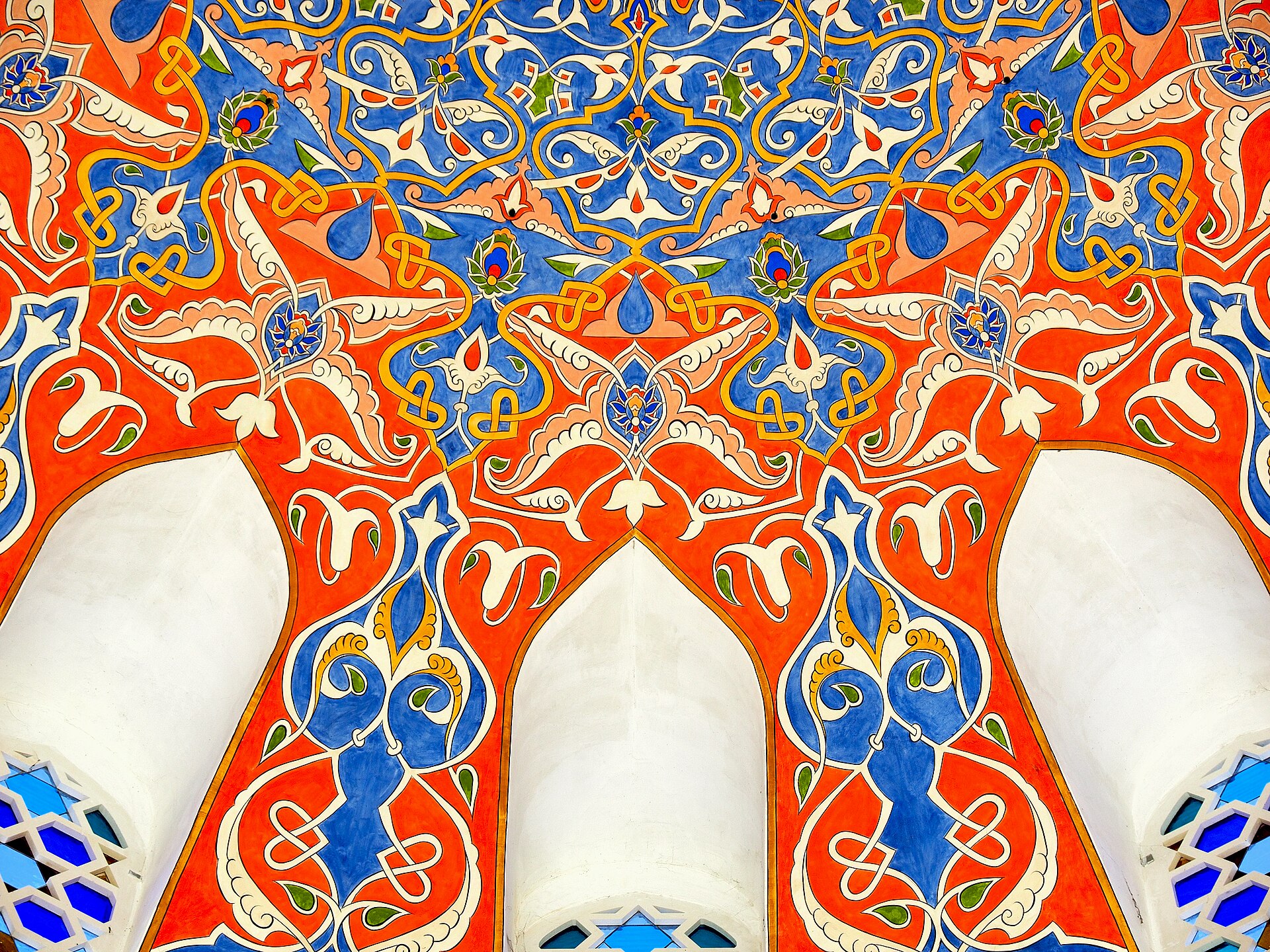
The mosque’s architecture is deceptively simple, yet every detail carries meaning. The dome, rising above the main prayer hall, is supported by a system of pendentives, a technique that allowed Ottoman builders to create spacious interiors without excessive weight. The minaret, tall and graceful, was designed to be visible from afar, a beacon for the faithful. Inside, the mihrab—a niche indicating the direction of Mecca—is adorned with subtle geometric patterns, a hallmark of Islamic art that avoids figurative representation. The walls, once covered in intricate calligraphy, bore verses from the Quran, though much of that decoration has faded or been lost over time. The courtyard, now quieter than in its heyday, still retains a sense of serenity, with old plane trees providing shade and the sound of water from the restored fountain adding a touch of life.
Ferhadija’s history hasn’t been easy. Like many Ottoman monuments in the Balkans, it has weathered wars, occupations, and political upheavals. The most devastating blow came in 1993, during the Bosnian War, when the mosque was deliberately destroyed. The act was part of a broader campaign to erase cultural and religious symbols, leaving behind only rubble where a centuries-old landmark once stood. For years, the site was a painful reminder of the conflict, a gap in the city’s fabric. But Banja Luka, like Bosnia itself, has a way of rebuilding. In 2016, after decades of fundraising and meticulous reconstruction, Ferhat Pasha Mosque was reopened, its dome and minaret rising once again over the city. The restoration wasn’t just about bricks and mortar—it was an attempt to reclaim a piece of identity, to stitch back together what had been torn apart.
Today, the mosque is more than a restored monument. It’s a living space, still used for daily prayers and community gatherings. On Fridays, the courtyard fills with worshippers, their voices blending with the call to prayer that rings out from the minaret. Tourists and locals alike wander through the complex, some pausing to admire the architecture, others simply sitting on the benches beneath the trees. The atmosphere is peaceful, almost contemplative, as if the mosque has quietly reclaimed its role as a place of reflection. Nearby, the old bazaar, though much changed, still hums with activity, a reminder that this part of the city has always been a crossroads of cultures and traditions.
What makes Ferhadija special isn’t just its age or its beauty, but the way it embodies the complexities of Bosnia’s past. The Ottoman Empire, Austro-Hungarian rule, the Yugoslav era, and the scars of the 1990s—all these layers are present here, not as abstract history, but as something you can almost touch. The mosque’s reconstruction, for instance, wasn’t without controversy. Some saw it as a necessary act of preservation, others as a political gesture. Yet, in the end, the building stands as a testament to resilience, a symbol of how places—and people—can endure even the harshest of times.
For visitors, Ferhat Pasha Mosque offers more than just a glimpse into Ottoman architecture. It’s a chance to understand how history shapes a city. Banja Luka, often overshadowed by Sarajevo or Mostar, has its own quiet charm, and Ferhadija is at its heart. The surrounding streets, with their mix of Austro-Hungarian buildings and modern shops, tell their own stories. A short walk away, the Kastel fortress looms over the Vrbas River, a reminder of the city’s strategic importance over the centuries. Nearby, the Orthodox Cathedral and the old Jewish cemetery hint at the diversity that once defined this place. Ferhadija isn’t just a relic—it’s a thread in the larger tapestry of Banja Luka’s past and present.
If you visit, take your time. Sit in the courtyard for a while, listen to the murmur of the fountain, and watch the light change on the stone walls. The mosque isn’t a museum, but it does invite you to slow down, to think about the people who have walked these same paths over the centuries. Some came to pray, others to trade, and some, like the soldiers who destroyed it, to erase. Yet here it still stands, not as a monument to any one era, but as a quiet witness to them all. In a country where history is often contested, Ferhadija offers a moment of stillness—a place where the past isn’t just remembered, but felt.