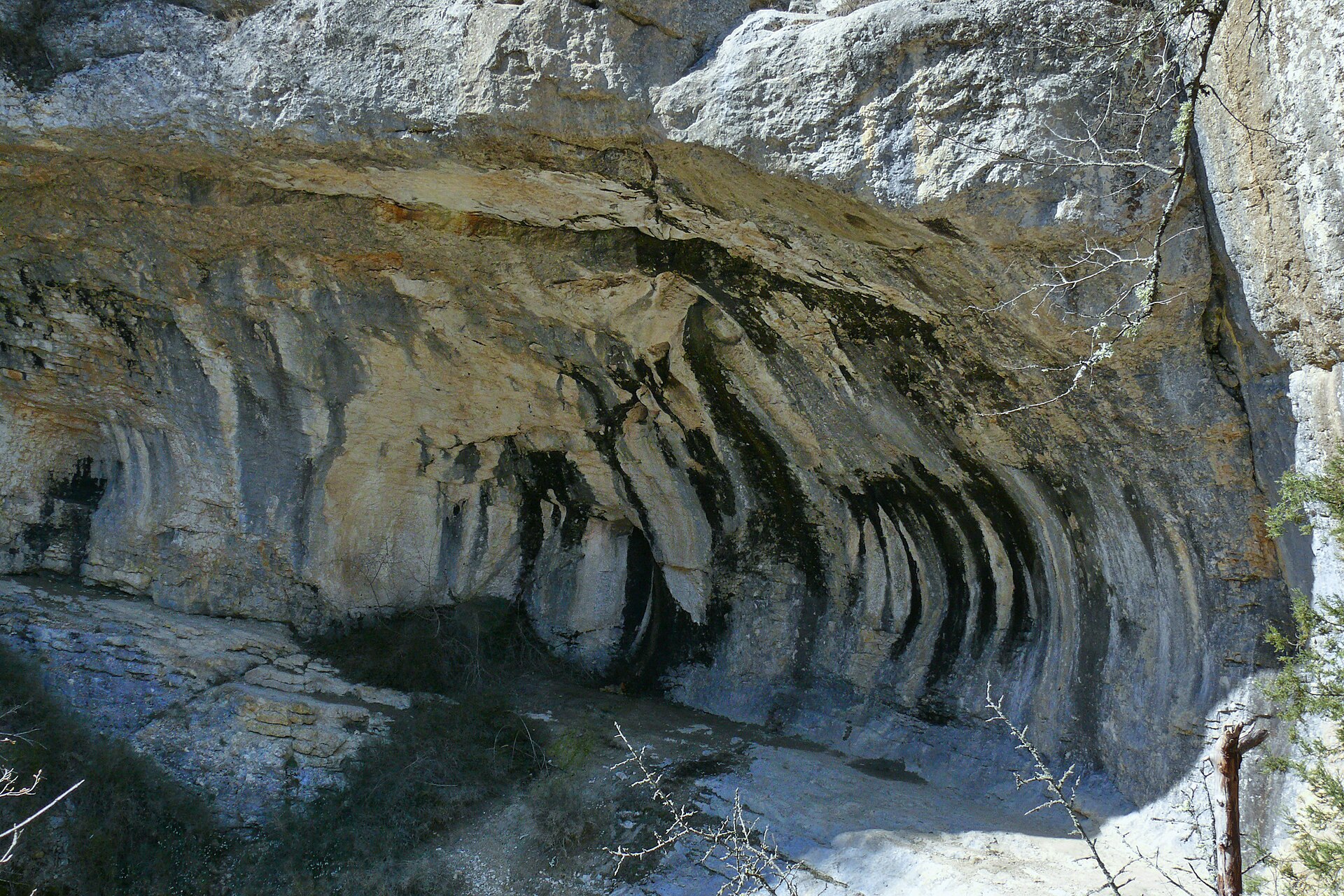
Fatma-Koba is one of those quiet, unassuming places that feels like a secret tucked away in the Crimean mountains. Hidden among the rocky slopes of the Balaklava district, where the land gradually descends toward the sea, the cave sits far from the usual tourist paths. The air here carries the scent of wild herbs and damp earth, and the silence is broken only by the wind rustling through the grass or the distant call of a bird. The name itself is tied to a local legend—one of those stories that blur the line between history and folklore. It’s said that a woman named Fatma sought refuge here, fleeing some unknown danger, and spent the rest of her days in solitude. Whether the tale is true or not hardly matters; the place has a way of making you believe it could be.
The cave isn’t large, but stepping inside feels like entering another world. The entrance is modest, almost hidden among the stones, but once you cross the threshold, the space opens up into a surprisingly spacious grotto. The ceiling arches high above, and the walls are adorned with stalactites and stalagmites, their slow formation over millennia creating intricate patterns. In some places, they’ve grown together into columns, resembling frozen waterfalls or strange, otherworldly sculptures. The light that filters through narrow cracks plays across the damp surfaces, casting shifting shadows that make the cave feel alive, as if it’s breathing.
What makes Fatma-Koba special isn’t just its natural beauty, but the sense of history embedded in its walls. Archaeologists have found traces of human presence dating back to the Paleolithic era—stone tools, animal bones, even remnants of ancient fires. It’s easy to imagine people gathering here thousands of years ago, seeking shelter or warmth. Later, in medieval times, the cave might have served as a refuge for shepherds or monks, drawn to its isolation. The passage of time has left these walls remarkably untouched, and standing inside, you can almost hear the echoes of those who once called this place home.
Reaching Fatma-Koba isn’t a simple stroll. The path winds through wild, untamed terrain, where juniper bushes cling to rocky outcrops and narrow streams cut through the valleys. There are no crowds here, no souvenir stands, no signs pointing the way—just the quiet rhythm of nature. The journey itself is part of the experience, a chance to wander through landscapes that feel untouched by modernity. For those who enjoy hiking, the effort is rewarded not just by the cave, but by the sense of discovery along the way.
Inside, the atmosphere is cool and damp, with a faint mineral scent lingering in the air. There’s no artificial lighting, so you’ll need a flashlight to explore the details—the soot marks on the walls, likely left by torches centuries ago, or the way water drips from the ceiling in the far corners, each drop echoing softly. The sound is hypnotic, a reminder of how slowly time moves in places like this. It’s easy to lose track of minutes, or even hours, as you stand there, surrounded by the quiet majesty of the cave.
Fatma-Koba isn’t the kind of place that draws crowds. Unlike Crimea’s more famous caves, such as Marble Cave or Emine-Bair-Khosar, there are no guided tours or well-trodden paths here. It’s a destination for those who prefer solitude, who want to step away from the noise of everyday life and feel a connection to something older, deeper. Weekdays are the best time to visit, when you’re likely to have the place to yourself. Even the surrounding area feels like a world apart—Baidar Valley, with its rolling hills and rare wildflowers, is just a short distance away, offering more opportunities to explore.
The cave doesn’t demand much from its visitors, but a little caution goes a long way. The floor can be slippery, and some sections of the ceiling are low, so it’s worth watching your step. Spring and early autumn are ideal times to visit, when the weather is mild and the landscape is at its most vibrant. Summer can be hot, and the cave’s interior might feel stuffy, while winter sometimes brings snow that can block the entrance. No matter when you go, it’s wise to bring water, sturdy shoes, and a light jacket—the cave stays cool even on warm days.
What makes Fatma-Koba memorable isn’t any single feature, but the way it makes you feel. There’s no grand spectacle here, no dramatic vistas or man-made attractions. Instead, it offers something quieter, something that lingers long after you’ve left. It’s a place where you can sit in silence, listening to the drip of water and the whisper of the wind, and feel a connection to the people who once sought shelter here, to the land that shaped it, and to the slow, patient work of time. Some might see it as just a cave, but for those who take the time to really look, it’s much more than that. It’s a reminder that the most meaningful places aren’t always the ones that shout the loudest.