The Ethnographic Museum in Belgrade is one of those rare places where time seems to slow down, allowing you to step into a quieter, more deliberate rhythm. Tucked away in the heart of the city, just off Students’ Square, it occupies a building that carries its own weight of history. Constructed in the early 20th century, the structure originally served as the Belgrade Stock Exchange before becoming a home for collections that trace the everyday lives of Serbian people across generations. Its architecture blends neoclassical elegance with subtle nods to national styles, making the building itself a quiet monument to an era when Serbia was navigating the space between tradition and modernity.
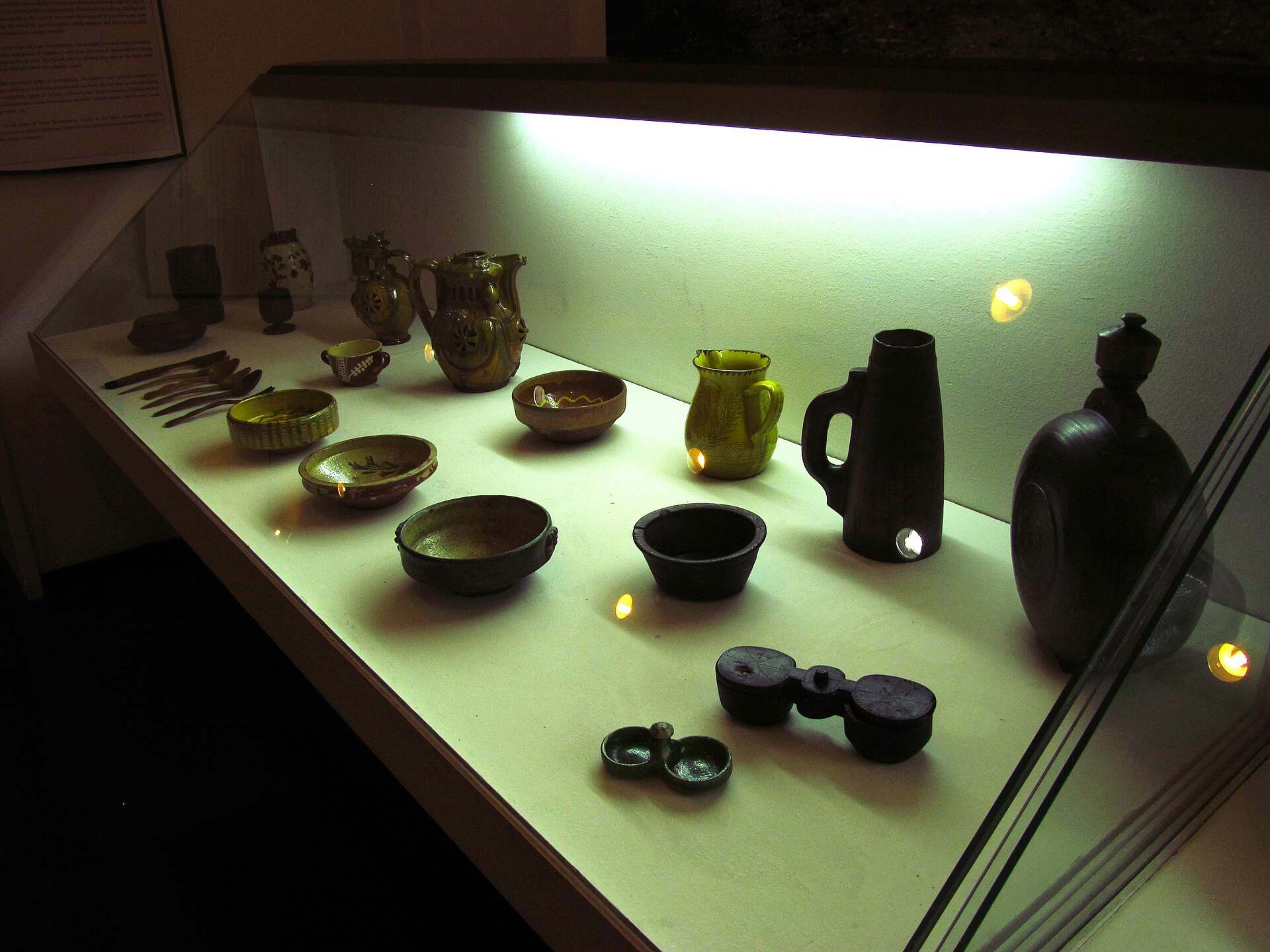
Inside, the museum unfolds a different kind of history—one that isn’t about battles or political upheavals, but about the small, often overlooked details of daily existence. There are no royal robes or golden thrones here. Instead, the exhibits are filled with objects that once belonged to ordinary lives: wooden spinning wheels, clay pots, embroidered shirts, and the tools of long-forgotten crafts. Each piece is a fragment of a larger story, piecing together how Serbs lived, worked, and celebrated in different corners of the country. The traditional costumes, in particular, stand out. Vibrant and intricately patterned, they vary from region to region, revealing not just the skill of the artisans who made them, but how geography and history shaped the culture of each place.
The museum doesn’t limit itself to Serbian traditions alone. Its halls also showcase artifacts from other Balkan cultures, from Bulgarian embroidery to Romanian rugs. This reflects a broader truth: culture has never existed in isolation. It has always been a conversation between neighbors, shaped by shared histories and exchanges. One of the most compelling sections is devoted to rituals and beliefs. Here, you’ll find amulets, protective charms, and wedding attire that weren’t just decorative but carried deep symbolic meaning, passed down through generations. A bride’s veil, for instance, might be adorned with coins—not just for beauty, but as a wish for prosperity and good fortune in the new family.
A highlight of the museum is the reconstruction of a traditional Serbian house. It’s not just a display; it’s an attempt to recreate the atmosphere of life in centuries past. Inside, you’ll see low wooden benches, a massive stove that dominates the room, and shelves lined with clay dishes. Tools of daily labor—scythes, flails, grain mortars—are scattered about, offering a glimpse into the life of a peasant family where every object had a purpose. Life here was governed by the rhythms of nature and the agricultural calendar. There was no room for the unnecessary; everything had to serve a function or carry meaning.
The museum is far from static. It continues to grow, adding new exhibits and hosting temporary exhibitions that explore how traditional crafts are being reinterpreted today. You might find contemporary artisans displaying their work, blending age-old techniques with modern sensibilities. Occasionally, the museum offers workshops where visitors can try their hand at weaving or pottery, turning the space into more than just a place to observe—it becomes a place to engage. These events remind us that ethnography isn’t just about the past; it’s about how traditions evolve and find new relevance in the present.
The building itself is worth lingering over. Designed by Jovan Ilkić, one of Serbia’s most influential architects of the time, it was completed in 1901. The façade is adorned with classical details—columns, bas-reliefs, and intricate stucco work—that nod to antiquity while remaining firmly rooted in Serbian architectural identity. Inside, original features like marble staircases, carved wooden doors, and high ceilings with ornate plasterwork have been preserved. These elements create an atmosphere where every room feels like a chapter in a larger narrative about culture and history.
While the museum’s primary focus is on Serbia, it also situates itself within a broader global context. Ethnography, after all, has always been about understanding how people live across the world. The museum’s collections include artifacts from Africa, Asia, and Latin America, gathered over the years by Serbian scholars and travelers. Though not as extensive as those in specialized museums, these pieces offer a glimpse into how other cultures were perceived and documented. You might encounter African tribal masks, Indian textiles, or Latin American musical instruments—reminders that even before the age of instant global connection, the world was deeply interconnected.
Visiting the Ethnographic Museum is more than just an educational experience; it’s an opportunity to reflect on how culture changes. Many of the traditions once central to daily life have faded, replaced by urbanization, globalization, and new technologies. Yet this is precisely why museums like this one matter. They preserve what might otherwise be forgotten, showing how fragile and resilient cultural traditions can be. You could spend an hour here or an entire afternoon, moving from one exhibit to the next, always discovering something new—a detail you missed before, a story you hadn’t noticed.
Belgrade is a city of contrasts, where the past and present coexist in unexpected ways. The Ethnographic Museum is one of those places where these contrasts become especially vivid. It doesn’t demand attention with flashy displays or crowds of tourists. Instead, it offers a quiet space to wander, to observe, and to think about what connects us all, no matter where we come from. In the end, ethnography isn’t just about the past; it’s about the threads that bind us together today.