The Cultural Palace in Denau is one of those places that doesn’t immediately demand attention but slowly reveals its layers of meaning the longer you linger. Built in the mid-20th century, it stands as a quiet monument to an era when architecture wasn’t just about function—it was about aspiration. This was a time when Soviet cultural institutions were taking root across Uzbekistan, and Denau, like many towns in the region, was expanding rapidly. The palace was part of a broader movement to bring art, education, and community life to places that had previously known little of it. Clubs, libraries, and cultural centers sprang up, offering people not just entertainment but a sense of belonging.
The building’s design is a blend of the familiar and the local. Its facade carries the bold, geometric lines typical of Soviet modernism, softened by traditional Uzbek patterns woven into the details. Inside, the high ceilings and wide corridors create an airy, almost ceremonial atmosphere. Some of the original decor remains—faded stucco, chandeliers, mosaic panels—each piece bearing the marks of decades of use. The wear isn’t polished away, and that’s part of the charm. The palace feels lived-in, as if the walls themselves remember the voices and footsteps of those who passed through over the years.
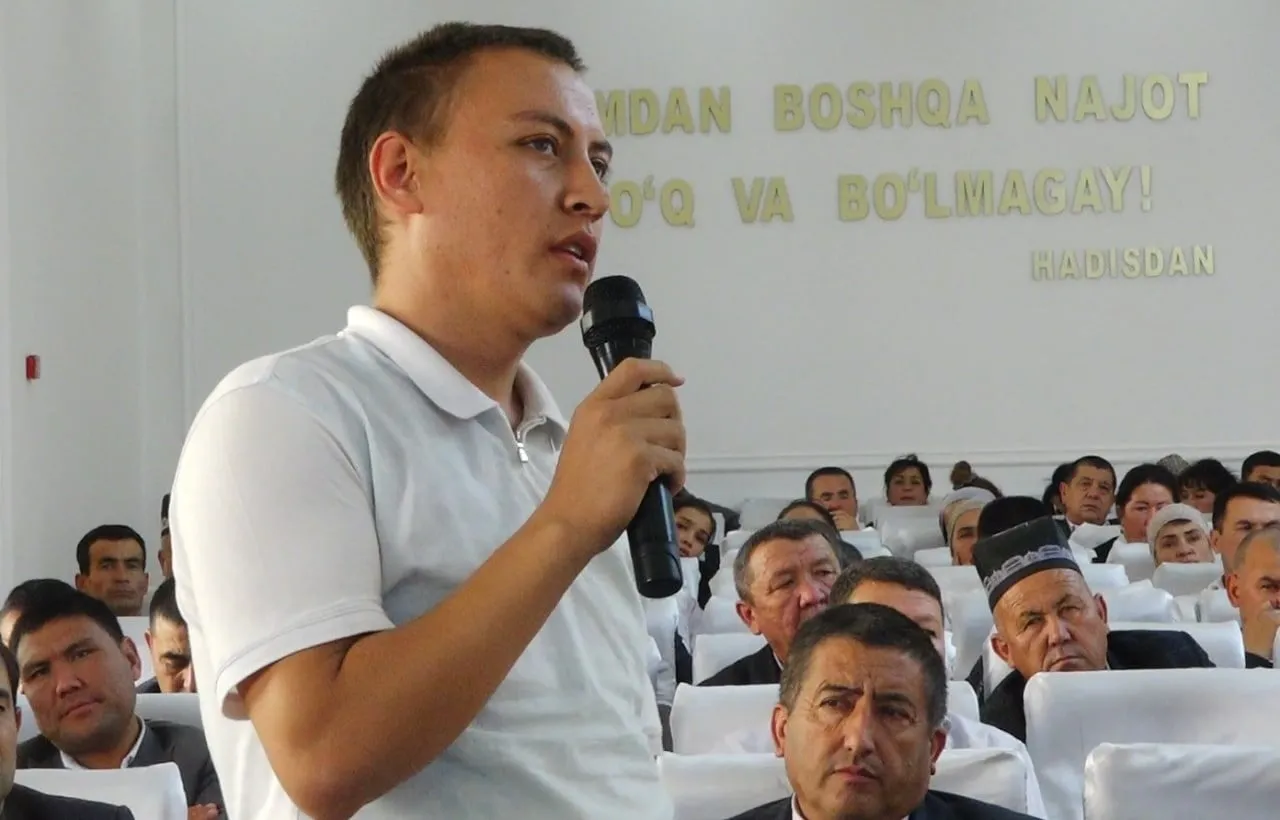
For generations, this wasn’t just a building; it was the heart of the town. In Soviet times, cultural palaces like this one were vital to small cities, serving as gathering places where people could watch performances, attend lectures, or simply socialize. Amateur theater groups rehearsed here, children learned music, and debates about art and politics spilled into the hallways. Today, its role has shifted, but it hasn’t disappeared. The palace still hosts city events, festivals, and even the occasional wedding. For older residents, it’s a place tied to memories of youth; for younger ones, it’s a curious relic of a time they never knew.
Denau isn’t a city that appears on most tourist maps, and that makes the Cultural Palace all the more intriguing. It’s not the kind of landmark you’d find on a postcard—no gilded halls or grand historical narratives. Instead, it offers something rarer: a glimpse into the everyday life of a place. This is where you can sense the rhythm of the town, understand what mattered to its people, and see how their world took shape.
Outside, a small park stretches around the palace, a green oasis typical of Central Asian towns. Shaded by trees and dotted with benches, it’s a quiet spot where locals escape the summer heat. The park and the palace together create a peaceful corner of the city, a place to slow down. Occasionally, fairs or public celebrations spill into the space, turning it into a lively hub for a day or two.
Nowadays, the Cultural Palace is both a historical relic and a living part of Denau. It’s not as bustling as it once was, but it hasn’t been abandoned. Some days, you might find a local choir rehearsing in one of the halls; other times, there could be a workshop or a lecture. The building shows its age, but its significance hasn’t faded. It’s a reminder of how even ordinary places can hold meaning, how the past lingers in the details we often overlook.
For visitors, the palace is an unexpected discovery. It’s not the kind of place you’d travel across the country to see, but if you find yourself in Denau, it’s worth a visit. There are no crowds, no souvenir stalls, no guides reciting rehearsed facts. Just the quiet hum of a building that has seen decades of life. You can sit on a bench in the park, wander the corridors, and imagine the music that once filled the halls, the laughter of children, the debates about the future.
The Cultural Palace in Denau is history without embellishment, architecture without pretension, life without fanfare. It doesn’t claim to be extraordinary, and that’s precisely why it is. This is a place where you can see how ordinary people in an ordinary town lived, dreamed, and created. And perhaps that’s its greatest value.