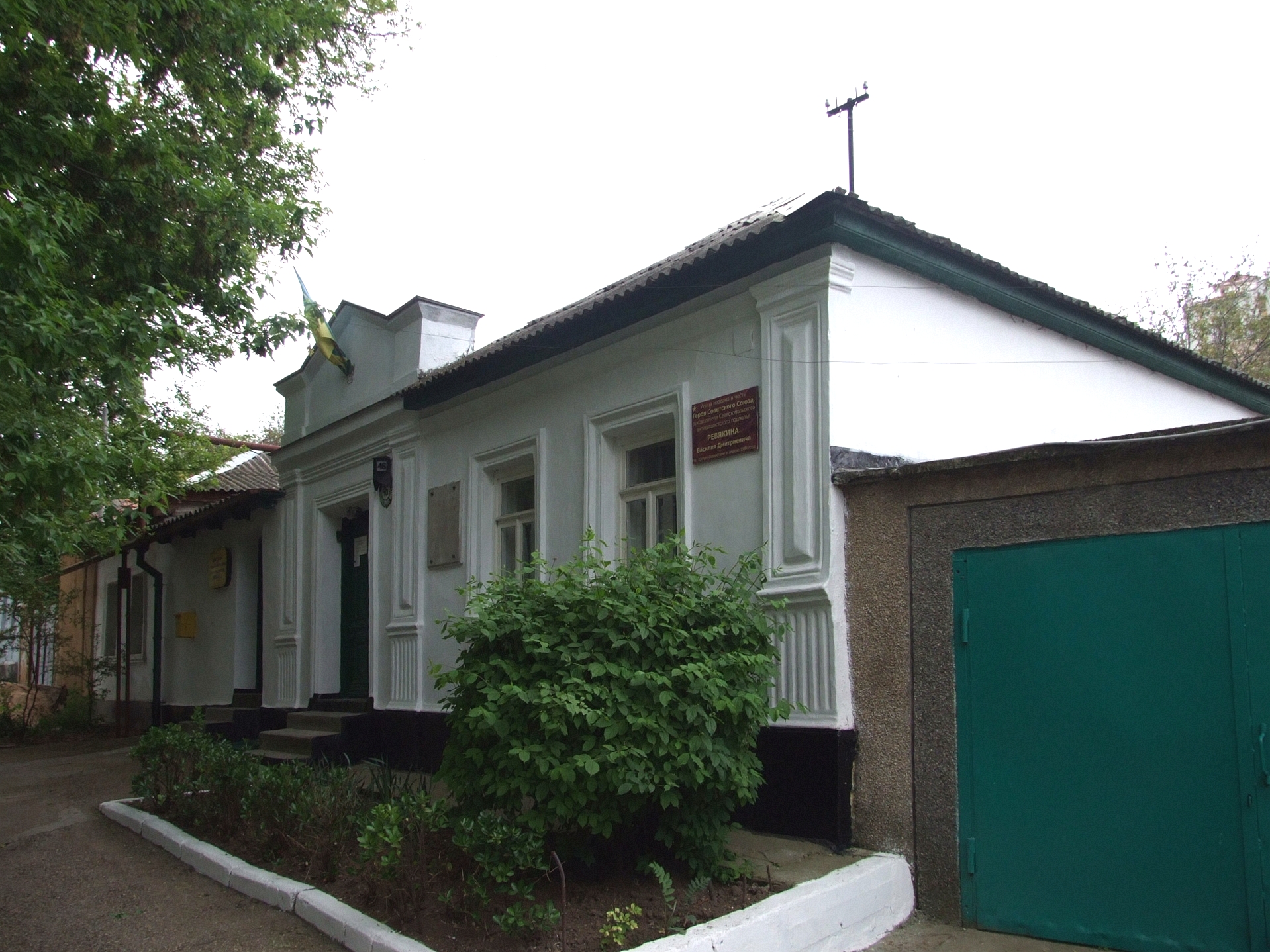
The house on Revyakina Street in Sevastopol doesn’t stand out at first glance. Like many others in the neighborhood, it’s modest—low-rise, with peeling plaster and a cramped courtyard where the windows of small apartments look out. But behind its unassuming facade lies a story that sets it apart. During World War II, this building became a secret stronghold for an underground resistance group that fought to save the city from complete destruction. Today, it’s a museum where visitors can step into the lives of those who refused to surrender.
Sevastopol has endured two brutal sieges—first during the Crimean War, then again in the 1940s. The second was no less devastating. The city was bombed relentlessly, shelled, and stormed by enemy forces. When German troops broke through to the outskirts in November 1941, many residents went into hiding. Among them were those who took refuge in this very house. They didn’t wear uniforms or fight in open battles, but their work was just as vital: gathering intelligence, distributing leaflets, helping prisoners escape, and sabotaging enemy supply depots.
The museum opened here in the 1960s, when the war’s memory was still fresh. The apartment’s interior has been preserved as it was during those years—a worn sideboard with chipped dishes, a bed with a coarse army blanket, a table where handwritten reports for partisans were once drafted. The walls are lined with photographs, most of them young faces who never lived to see victory. One portrait stands out: Vanya Gritsenko, the youngest member of the group, just fourteen years old. He delivered messages, hid weapons, and in 1942, was captured and executed.
One of the rooms recreates the hidden compartment where leaflets and weapons were stored. A narrow passage behind a wardrobe leads to a tiny space, barely large enough for two people. Today, it holds copies of documents, but during the war, it concealed real frontline dispatches, scribbled by hand on scraps of paper. The resistance fighters knew every misstep could mean death, yet they kept working, believing the city would endure.
The house’s architecture is typical of 1930s Sevastopol—brick walls, high ceilings, and large windows. Back then, it was home to factory workers and dock laborers. After the war, little changed; time seems to have frozen in the 1940s. Even now, stepping inside feels like crossing into the past. The floorboards creak underfoot, the scent of aged wood lingers, and outside, the same courtyard hums with life, where people once hid from raids.
The underground fighters weren’t professional spies. They were teachers, workers, housewives, and teenagers, united by hatred for the occupiers and a determination to protect their city. They operated in small cells to avoid betraying one another. Many perished, but their names remain part of Sevastopol’s history. The museum displays their photographs and brief biographies—some managed to evacuate, others were captured, and a few fought until the very end.
This house is more than a museum; it’s a reminder of how humanity persists even in the darkest times. There are no grand slogans or dramatic speeches here. Everything is understated, just as the resistance fighters’ lives were. Visitors often linger over the exhibits, studying the photographs and reading letters. Occasionally, those who lived through the war stop by to share their own stories. For them, this isn’t just a museum—it’s a piece of the past they can still touch.
As time passes, fewer survivors remain, but this house continues to tell their story to new generations. It serves as a quiet testament that heroism isn’t always about battles and medals. Sometimes, it’s found in ordinary apartments, in hushed conversations over tea, in the risks people take to keep their city free. Sevastopol remembers its resistance fighters, and this museum helps ensure their legacy endures.