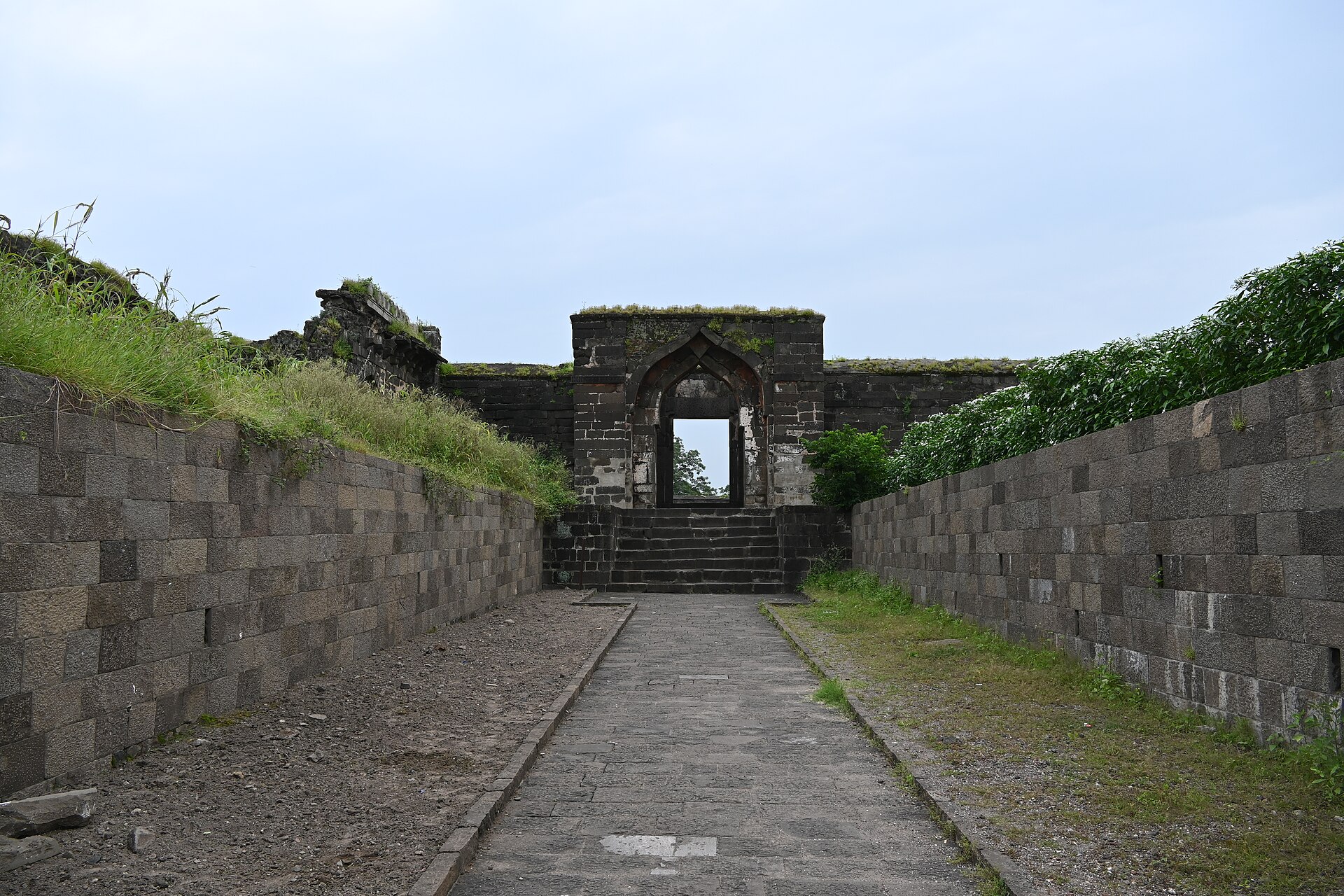
Daulatabad Fort stands on the edge of the Afghan desert, a silent witness to centuries of shifting power and forgotten empires. Built in the 12th century by the Ghurid dynasty, it was originally conceived as a military stronghold, its massive walls and strategic position meant to deter invaders and control the surrounding trade routes. Over time, it became more than just a fortress—it was a symbol of authority, a refuge for rulers, and a place where history unfolded in the shadows of its battlements. The fort’s name, which translates to "Abode of Wealth," hints at its past significance, though today it feels more like a relic of endurance than a treasure vault.
The architecture of Daulatabad is a study in practicality and resilience. Unlike the ornate palaces of other regions, its design is stark and functional, built to withstand sieges and the harsh climate of the Afghan highlands. The outer walls, constructed from sun-baked mud bricks and stone, rise abruptly from the arid landscape, their rough texture softened only by the play of light and shadow as the sun moves across the sky. Inside, the remains of watchtowers and gatehouses suggest a once-bustling complex, though now only fragments of walls and crumbling staircases remain. The fort’s layout follows the natural contours of the land, a reminder that its builders understood the terrain as well as they understood warfare.
For much of its history, Daulatabad was a contested prize. The Ghurids, who first raised its walls, were followed by the Khwarezmians, the Mongols, and later the Timurids, each leaving their mark in the form of repairs, expansions, or destruction. The fort’s location along the ancient trade routes between Central Asia and the Indian subcontinent made it a valuable asset, and its capture often signaled a shift in regional power. By the time the Mughals rose to prominence, Daulatabad had already begun its slow decline, its military importance fading as new centers of power emerged elsewhere. Yet even in its reduced state, the fort retained a certain mystique, a place where the echoes of the past seemed louder than the present.
Walking through Daulatabad today is like stepping into a different era. The air is still, broken only by the occasional gust of wind that stirs the dust at your feet. The silence is profound, the kind that makes you aware of your own breathing. From the highest points of the fort, the view stretches across a vast, empty landscape—rolling hills of brown and gold, punctuated by the occasional cluster of mud-brick houses in the distance. It’s easy to imagine the fort as it once was: soldiers patrolling the ramparts, merchants haggling in the courtyards, and rulers plotting their next move from the privacy of its inner chambers. Now, there are no crowds, no vendors, no signs of modern life beyond the rare visitor or the shepherd guiding his flock through the ruins.
The fort’s interior is a maze of half-collapsed structures, their original purposes often unclear. Some chambers appear to have been living quarters, their low ceilings and narrow doorways suggesting a life of spartan simplicity. Others may have served as storage for grain or weapons, their thick walls designed to keep out both the heat and potential attackers. The most striking feature is the central citadel, a raised platform that would have offered a commanding view of the surrounding area. From here, the fort’s defenders could spot approaching threats long before they reached the gates. Today, the citadel is little more than a pile of stones, but its strategic importance is still evident in the way it dominates the landscape.
One of the most intriguing aspects of Daulatabad is its water system. In a region where water is scarce, the fort’s engineers devised an ingenious network of underground channels and cisterns to collect and store rainwater. These systems, though now dry and partially collapsed, speak to the resourcefulness of the fort’s original inhabitants. They understood that survival in this harsh environment depended as much on clever engineering as it did on military strength. The remains of these channels can still be seen snaking beneath the ruins, a testament to the skill of those who built them.
Despite its state of decay, Daulatabad retains a quiet dignity. It is not a place that demands attention with grand facades or elaborate carvings, but rather one that rewards patience and curiosity. The fort’s beauty lies in its simplicity—in the way the light catches the rough edges of its walls, in the patterns of erosion that tell stories of time and weather, in the sense of isolation that makes it feel like a world apart. There are no guided tours here, no informational plaques, no souvenir stands. What you find instead is a direct, unfiltered connection to the past, a place where history is not curated but simply exists, waiting to be discovered.
For those who make the journey to Daulatabad, the experience is as much about the landscape as it is about the fort itself. The road leading to it winds through a stark, almost lunar terrain, where the only signs of life are the occasional herd of goats or a lone farmer tending to a patch of land. The fort emerges suddenly, its walls rising like a mirage from the desert floor. There is no grand entrance, no fanfare—just the quiet realization that you have arrived somewhere few others have bothered to visit. It is a place that feels untouched by time, where the weight of history is palpable but not overwhelming.
Daulatabad is not a destination for those seeking comfort or convenience. It is a place for travelers who are willing to venture off the beaten path, to accept the silence and the solitude in exchange for a glimpse into a past that most of the world has forgotten. There are no guarantees of what you will find here—no neatly packaged narratives, no easy answers. What remains is the fort itself, standing as it has for centuries, a reminder of the impermanence of power and the enduring strength of the land. In its quiet, unassuming way, Daulatabad offers something rare: a chance to step outside of time and see the world as it once was.