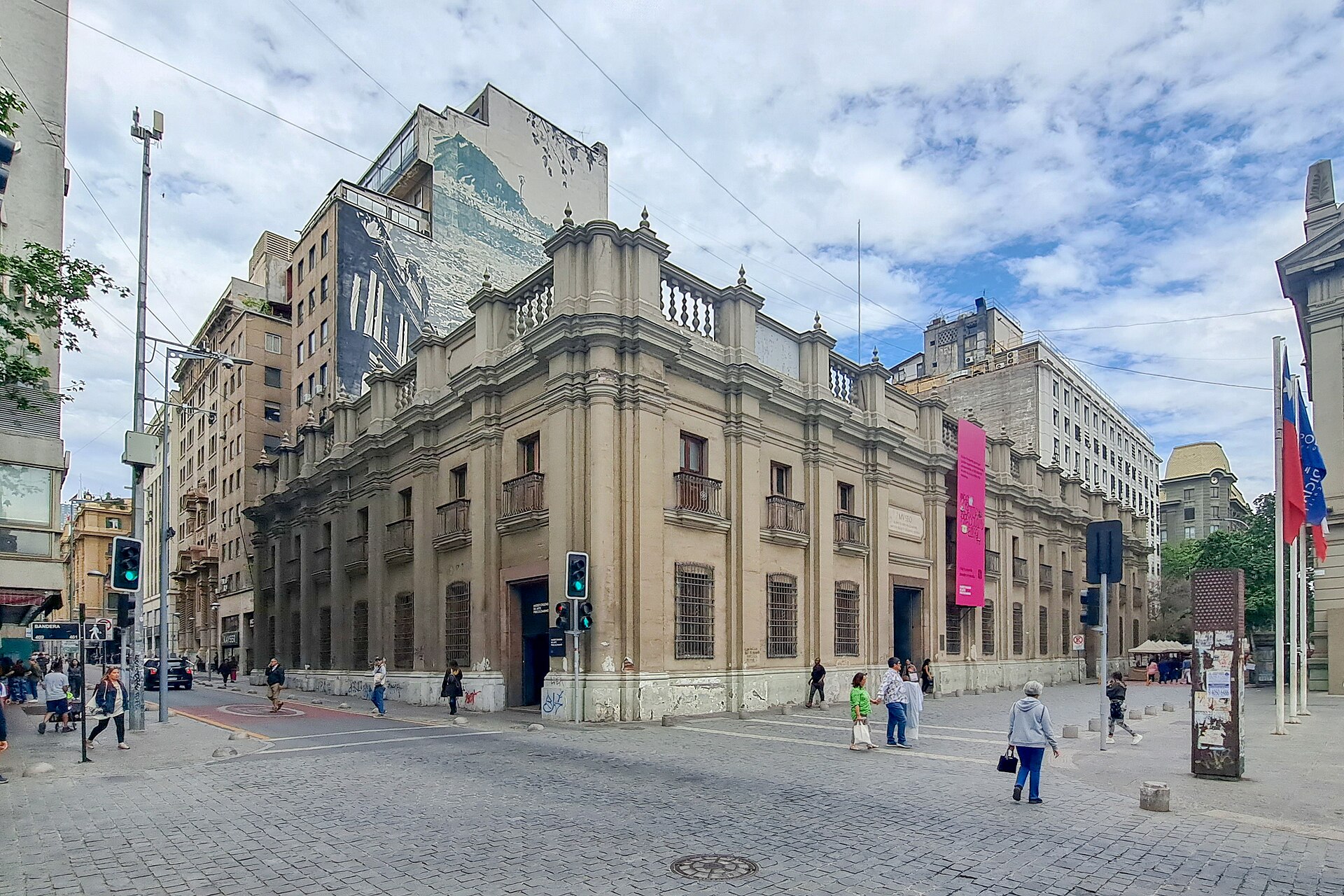
The Chilean Museum of Pre-Columbian Art is one of those rare places in Santiago where the rush of modern life fades into the background, replaced by the quiet weight of ancient stories. Tucked away in the city’s historic center, the museum occupies a building that is itself a piece of history, its architecture blending neoclassical elegance with local influences. Inside, time moves differently—each gallery invites you to linger, to trace the contours of artifacts crafted long before European ships ever reached these shores. There’s no hurried pace here, no fleeting glances at exhibits. Instead, the space encourages a slower kind of attention, one that lets you absorb the details and imagine the hands that shaped these objects centuries ago.
The museum’s origins trace back to the passion of Sergio Larraín García-Moreno, a Chilean architect and collector who spent decades gathering artifacts from the civilizations that once thrived across the Americas. What began as a personal fascination grew into one of the most significant collections of its kind, now numbering over three thousand pieces. The exhibits span ceramics, textiles, jewelry, sculptures, and ritual objects, each one a fragment of a culture’s identity. Here, you’ll find the intricate pottery of the Maya, the goldwork of the Inca, the expressive masks of Amazonian tribes, and the woven textiles of the Andes—all testaments to the diversity and sophistication of pre-Columbian societies.
The building itself is worth pausing over. Constructed in the late 19th century, it was originally a private residence, its high ceilings and inner courtyards designed to catch the light in a way that feels almost deliberate for a museum. The architecture doesn’t compete with the artifacts; instead, it frames them, allowing the natural illumination to highlight the textures of ancient fabrics or the patina of aged ceramics. The layout is spacious, almost meditative, with none of the cramped corridors that often define museum visits. It’s a place where the past isn’t just displayed—it’s given room to breathe.
Rather than organizing exhibits strictly by chronology, the museum groups them by cultural regions, which offers a more immersive understanding of each civilization’s unique character. The Mesoamerican gallery, for instance, brings together the art of the Maya and Aztecs, where ceramic vessels painted with elaborate scenes sit alongside stone sculptures of deities and rulers. The Andean section showcases the Inca’s mastery of textiles, with fabrics so finely woven they seem to defy time, their geometric patterns carrying meanings that once signaled status or spiritual beliefs. Meanwhile, the Amazonian exhibits reveal a different kind of artistry—wooden carvings and masks that capture the raw energy of rituals and daily life.
Among the most striking pieces in the collection are the textiles, some of which are considered masterpieces of pre-Columbian craftsmanship. The Inca, in particular, elevated weaving to an art form, using the wool of llamas and alpacas to create fabrics that were both functional and symbolic. Some were everyday garments, while others were reserved for ceremonies, their designs conveying messages about power, identity, or the natural world. The museum’s collection includes everything from simple tunics to elaborate cloaks, each thread a testament to the skill and patience of their makers.
Ceramics also play a central role in the museum’s narrative, with pieces ranging from utilitarian storage jars to sculptural works of art. The Moche culture of northern Peru, for example, produced vessels that are almost like miniature dioramas, depicting everything from hunting scenes to mythological tales with remarkable realism. These objects weren’t just decorative; they were a way of recording life, of passing down stories and beliefs. Elsewhere, you’ll find the bold, abstract designs of the Nazca or the delicate figurines of the Valdivia, each style offering a glimpse into the values and aesthetics of its creators.
Beyond the permanent collection, the museum keeps its offerings fresh with temporary exhibitions and educational programs. Lectures, workshops, and guided tours delve deeper into the context of the artifacts, exploring the technologies, beliefs, and social structures that shaped them. For those who want to dig further, there’s a library stocked with rare books on archaeology and ethnography, as well as a small shop where visitors can pick up reproductions or books on pre-Columbian history. It’s a place that doesn’t just display the past—it invites you to engage with it.
What makes this museum different from so many others is its refusal to treat history as something distant or static. The artifacts here aren’t just relics; they’re connections to living cultures, to ways of thinking and creating that still resonate today. Walking through its galleries, you’re reminded of how much of the past remains unspoken, how many stories are still waiting to be uncovered. The museum doesn’t need to shout to be heard. It simply offers a space where the past can speak for itself, where visitors can step away from the noise of the present and listen.