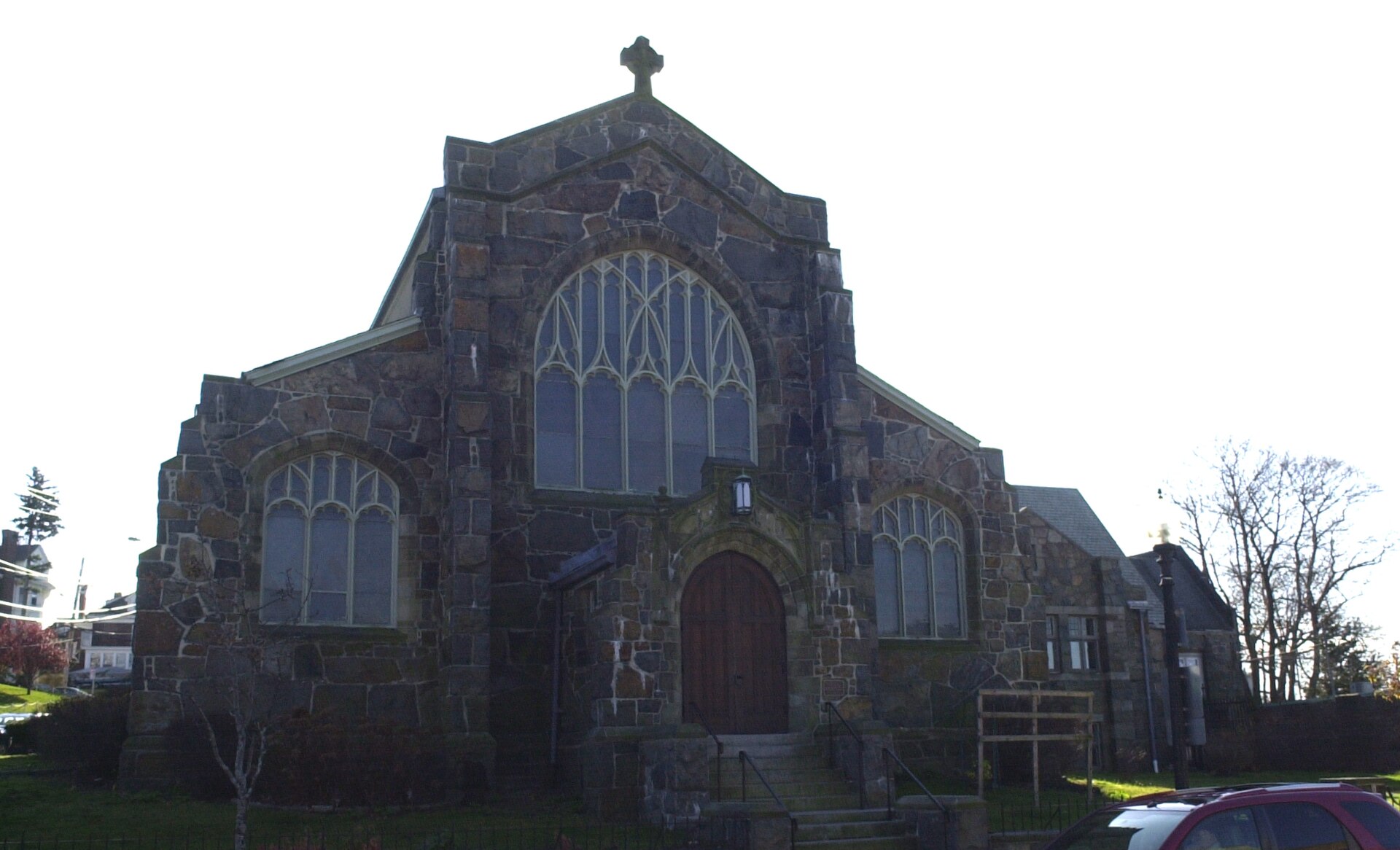
Old North Church stands quietly in Boston’s North End, its weathered brick and white steeple rising above the narrow streets like a sentinel from another era. Built in 1723, it is the oldest surviving church in the city, a place where the past feels tangible—not as a relic behind glass, but as something still alive in the creak of wooden pews and the echo of Sunday bells. The building has witnessed nearly three centuries of change, yet its presence remains steadfast, a quiet counterpoint to the modern city that has grown up around it.
The church is best known for a single night in April 1775, when its steeple became the stage for one of the most famous signals in American history. On the orders of patriots, two lanterns were hung from the belfry—one if by land, two if by sea—to warn of British troop movements. The message was seen by Paul Revere, who set off on his midnight ride to alert the colonial militias. Today, a plaque marks the spot, and a small museum inside displays replicas of the lanterns, along with other artifacts from the Revolutionary era. But the real power of the story lies not in the objects themselves, but in the way they connect visitors to a moment when ordinary people made choices that would shape a nation.
Architecturally, Old North is a perfect example of Georgian style, the dominant aesthetic in the American colonies during the early 18th century. Its design is understated yet elegant: a symmetrical brick facade, tall windows with small panes, and a slender spire that tapers into the sky. Inside, the space is divided into three aisles, with a simple wooden altar and a raised pulpit—practical features that reflect the Puritan values of the time. There is no gilded opulence here, no marble or stained glass; instead, the church is built from local materials, designed to endure rather than impress. The effect is one of quiet dignity, a place where form follows function without apology.
The church has always been deeply rooted in the life of the North End, Boston’s oldest neighborhood. Over the centuries, the area has absorbed wave after wave of immigrants—first the Irish, then the Italians—each group leaving its mark on the streets and culture. Yet Old North remained a constant, a reminder of the city’s Anglo-Saxon origins even as the neighborhood transformed around it. Today, the North End is known for its lively cafes, bakeries, and restaurants, where the scent of fresh cannoli mingles with the salt air from the harbor. But just a short walk from the bustle of Hanover Street, the church offers a moment of stillness, a place where the noise of the present fades and the weight of history settles in.
For tourists, Old North is a must-see stop on the Freedom Trail, a chance to step into the story of the American Revolution. But for locals, it is something more—a place of worship, memory, and community. On Sundays, the pews fill with families who have attended services here for generations. The bells ring not just for holidays, but for moments of collective grief or celebration, like the days after September 11 or during the height of the pandemic. In those times, the church becomes a gathering point, a place where people come not just to remember, but to feel less alone.
The building is still owned by the Episcopal Diocese of Massachusetts, though its upkeep relies on donations from visitors and parishioners. Inside, a small gift shop sells postcards, books on Boston’s history, and miniature replicas of the lanterns that once changed the course of a nation. But the real draw is the sense of continuity—the way the church bridges past and present. On a warm afternoon, you can sit on a bench in the courtyard, looking out at the old gravestones in the churchyard, or climb the narrow stairs to the steeple for a view of the harbor and downtown skyline. From up there, the city looks different, as if the layers of time have momentarily thinned.
For many Americans, Old North is more than a historic site; it’s a symbol of how revolutions begin—not with grand declarations, but with small, deliberate acts. The lanterns in the steeple were a quiet rebellion, a flicker of defiance that set larger events in motion. That’s part of what makes the church so compelling: it doesn’t just tell history, it embodies it. The past here isn’t something distant or abstract; it’s woven into the fabric of the place, visible in the worn steps, the chipped paint, the way the light falls through the windows. It’s a reminder that history isn’t just something we read about—it’s something we live, one moment at a time.