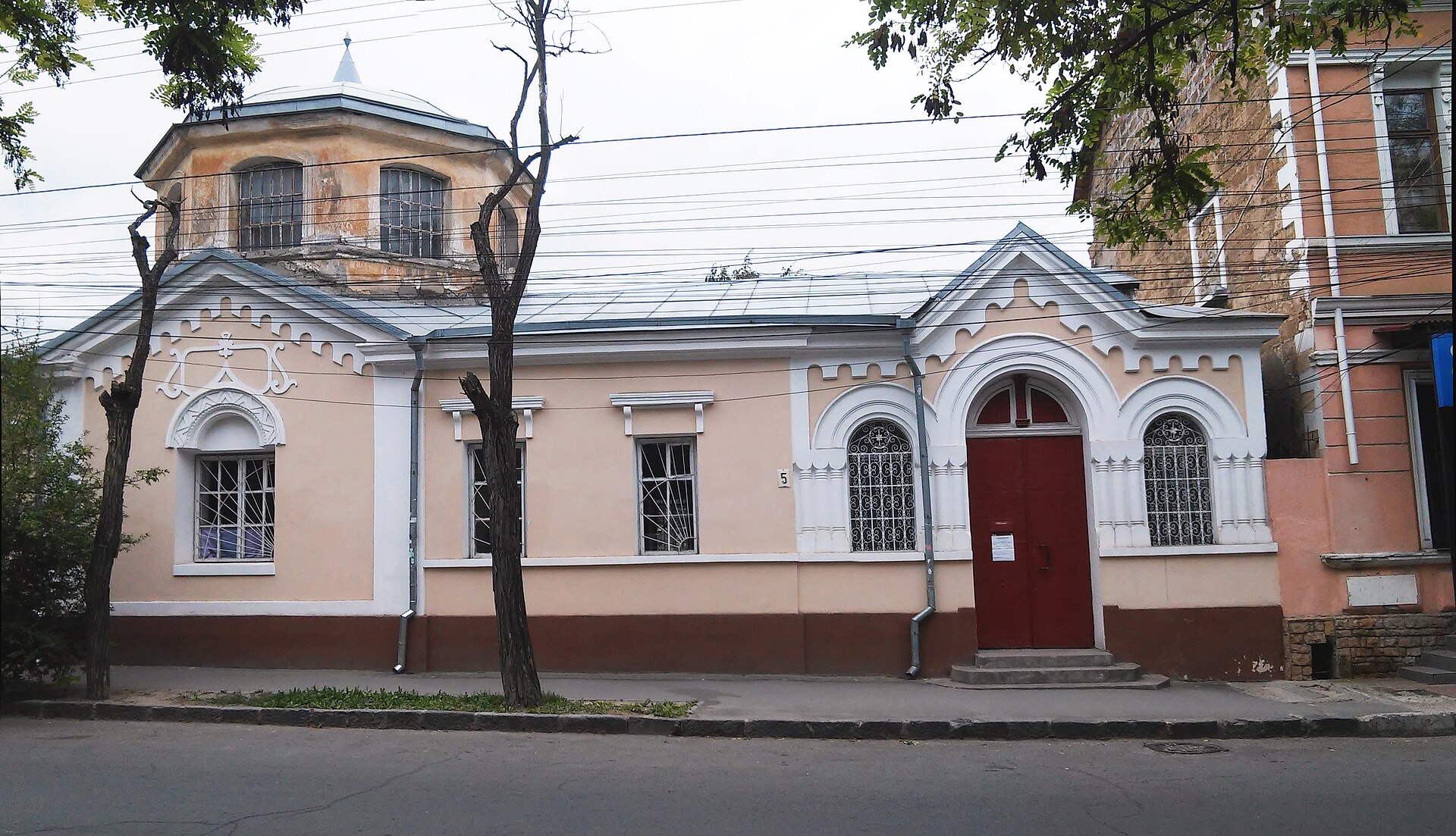
The Church of the Presentation of the Blessed Virgin Mary in Simferopol is one of those quiet places that doesn’t demand attention but lingers in memory. It stands on a street corner, apart from the city’s pace, as if time moves differently within its walls. The building is unassuming—no grand facades or towering domes, just a modest structure that feels like a well-loved home. Its charm lies in its simplicity, in the way every detail seems thoughtfully placed, not for spectacle but for sincerity.
The church’s history begins in the mid-19th century, when Simferopol grew from a provincial town into the administrative heart of the Taurida Governorate. Construction started in 1864, and it was consecrated a decade later. The design follows the traditional Russian Orthodox style of the period: clean lines, whitewashed walls with subtle decorative touches, and a single dome. Inside, the iconostasis and frescoes were painted by local artisans, adhering to classical traditions.
During the Soviet era, the church survived repurposing. At times, it served as a warehouse, a workshop, and a military hospital during World War II. After the war, it was returned to the faithful and resumed its role as a place of worship. Today, it hosts services, baptisms, and weddings.
From the outside, the church appears unremarkable. Inside, high ceilings, soft light through narrow windows, and the scent of incense create a quiet refuge. There’s no rush, just the murmur of prayers and footsteps. In summer, the thick walls keep the interior cool; in winter, stoves warm the space. The regulars know one another, exchanging greetings like family.
This isn’t a church for tourists. There are no guided tours or souvenir stands. That’s why it’s worth visiting—it shows the city’s everyday life without pretense. On a weekday, you might see people hurrying in for a service, others lighting a candle, or someone sitting in silence. It’s a communal space where lives intersect, where stillness exists amid motion.
The church doesn’t stand out architecturally, and that’s part of its appeal. It doesn’t try to impress; it simply exists, a quiet constant in a changing city. The streets around it have transformed, but the church remains, anchoring the past to the present. It feels trustworthy because there’s nothing performative about it—just quiet authenticity.
The church is a piece of Simferopol’s cultural heritage. It reminds us of the city’s layered history, where different eras and traditions have intertwined. It doesn’t announce this history—it waits for those who notice. And those who do often find it peaceful inside, as if time has paused.
There are no grand parks around it. You don’t need them. Sometimes, it’s enough to stand by the entrance, watch the old trees sway in the courtyard, listen to the bells, and realize Simferopol has quiet corners. Here, you can stop, breathe, and reflect. The church is a small island of calm in the city.