Photo: Alim The Great, CC BY-SA 4.0
Uspenskiy Church (Eski-Kermen)
out of 5 0 ratingsThe Church of the Dormition at Eski-Kermen
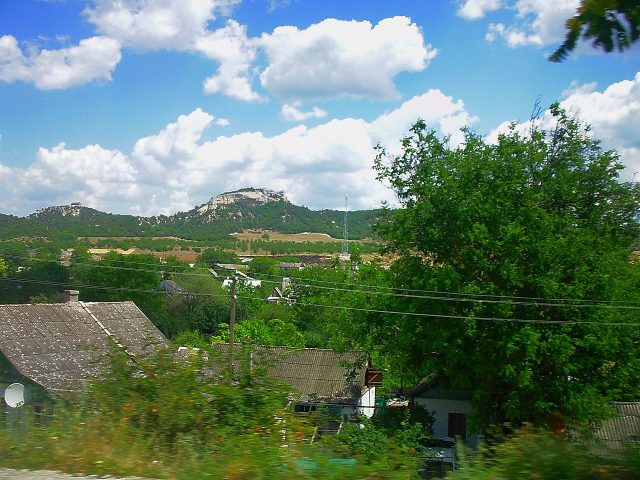
Perched on the edge of a windswept plateau in Crimea, the Church of the Dormition at Eski-Kermen is a place where time lingers. Carved into the rock of a fortress city, it bears the marks of centuries—human struggle, faith, and resilience. The church is modest, its rough-hewn walls blending with the limestone cliffs, but its location tells a story far larger than its size. Here, on the precipice of a sheer drop, the past clings to the air, the worn steps of pilgrims, and the faint echoes of prayers.
Eski-Kermen, or "Old Fortress," began in the 6th century as a Byzantine stronghold. By the 12th or 13th century, when the Church of the Dormition was built, the plateau had already been home to generations of soldiers, monks, and farmers. The fortress was nearly impregnable, surrounded by deep gorges. The church stood at its highest point, serving both as a spiritual refuge and a defensive position. Caves beneath it offered shelter, narrow paths became escape routes, and the cliffs guarded the city. Standing at the church’s threshold, you sense the weight of those who once sought safety here.
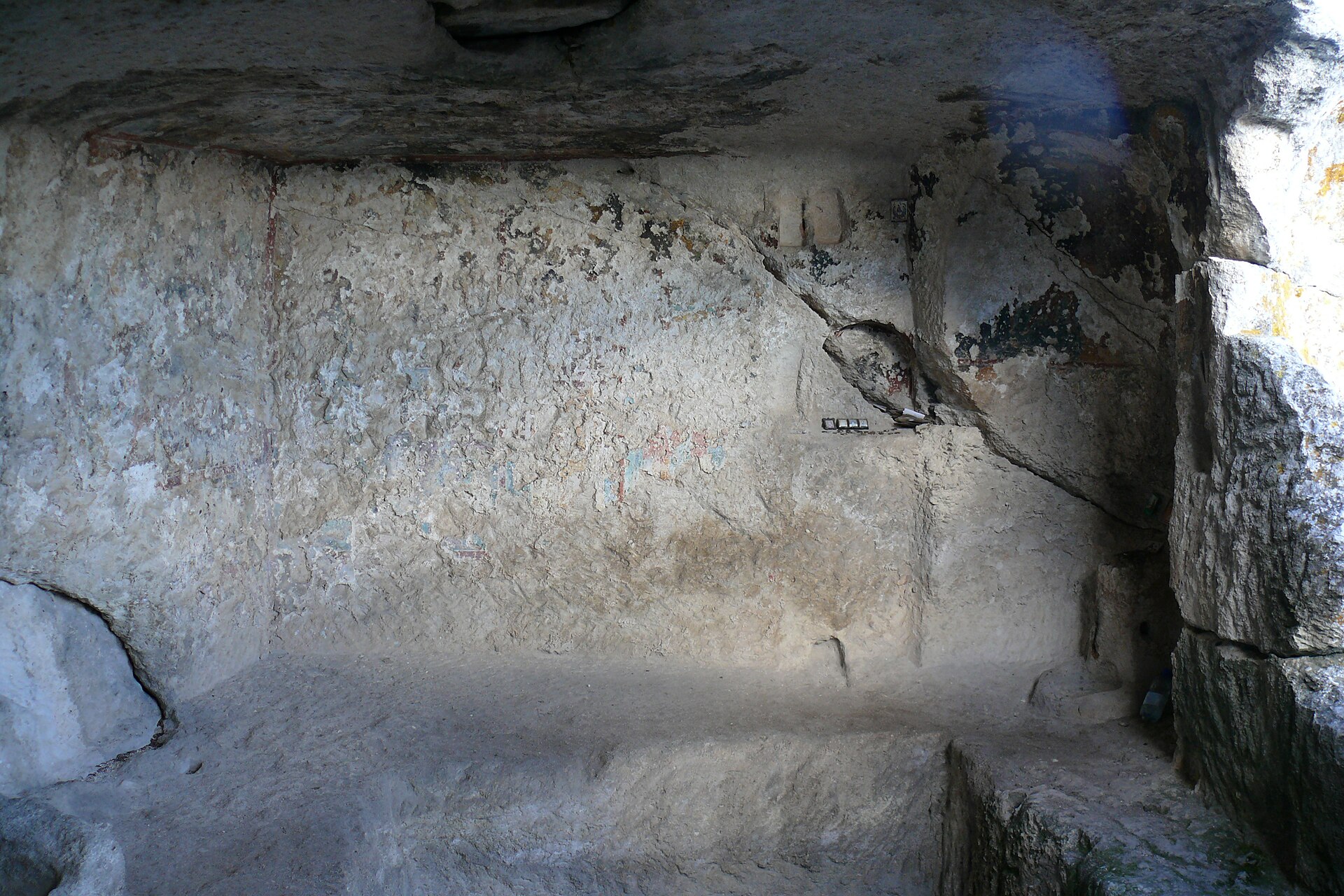
The church’s architecture is simple, built for survival as much as worship. Hewn from rock, its facade features plain arches and narrow windows. Inside, faded frescoes cling to the walls, their colors dulled by time. The effect is quiet, like stepping into a half-remembered memory. There is no grandeur, only history etched into stone by hands long gone.
The Church of the Dormition endures because it refuses to vanish. Over the centuries, Byzantines, Genoese traders, Crimean Tatars, and the Russian Empire all claimed this land. Yet the church remained. When Eski-Kermen was abandoned in the 15th century, its people left, its walls crumbled, but the church waited. Today, it draws travelers and those seeking connection—whether to the past or something beyond it.
Local legends deepen the church’s mystery. Some say sacred relics were hidden in the caves beneath it, never found by invaders. Others speak of monks who lived here in solitude, praying by the light of oil lamps. The stories may not be true, but they give the place a quiet magic, as if the rocks themselves hold secrets.
Reaching the church is part of the journey. There’s no road—only a winding path that climbs past scrubby bushes and jagged rock. The hike takes time, but the effort is worth it. With each step, the modern world fades, replaced by wind and stone. At the top, the valley unfolds like a map of history—fields tilled for centuries, roads once trodden by armies, and the distant Black Sea.
Up here, you imagine the lives that shaped this place: farmers on terraced slopes, soldiers on watch, monks in candlelit prayer.
The Church of the Dormition isn’t a relic behind glass. It invites you to touch the rough stone, to sit in the dim interior, to let the weight of centuries settle around you. History isn’t something that ended—it’s still unfolding, one visitor at a time. Maybe that’s why people return. In a world that moves too fast, this is a place to slow down, to feel the past.
If you come to this part of Crimea, don’t rush. Pause at the base of the plateau. Listen to the silence. Watch the light on the cliffs. Then climb. At the top, you won’t just see a church—you’ll find a piece of history that’s still alive, still waiting.
Day around this place
Where else to go on the same day
Building the day…
Where it is
44.60694, 33.73944