Saint Charles Church in Larvotto is one of those quiet places in Monaco that doesn’t demand attention but lingers in memory all the same. Tucked away on a gentle hillside, it sits unassumingly among modern buildings and luxury villas, offering a different kind of experience—one where the past feels closer than the glitter of casinos or the hum of the waterfront.
Built in the late 19th century, the church arrived at a turning point for Monaco. The principality was expanding rapidly, drawing wealthy visitors and transforming Larvotto from a modest district into an exclusive enclave. Saint Charles became more than just a place of worship; it was a symbol of the era, marking the moment when this tiny nation perched on the cliffs began to shape its own identity.
The architecture is understated yet graceful, free of excess but full of Mediterranean warmth. White walls curve softly, the low bell tower blends into the landscape, and the whole structure feels more like a welcoming home than a grand cathedral. Inside, the space is airy and bright, with tall windows filtering sunlight into gentle pools across the stone floors. The altar is adorned with simple stucco work, and the stained glass, though not as vivid as in more famous churches, lends the interior a quiet radiance.
The church is named after Saint Charles Borromeo, a figure deeply revered in Catholicism for his devotion to the poor and his efforts to reform the Church. In a place like Monaco, where wealth often overshadows everything else, his name carries a quiet significance—a reminder that there’s more beneath the surface than luxury and spectacle.
Today, Saint Charles remains an active parish, drawing both locals and the occasional visitor who stumbles upon it. Unlike the crowded cathedral in Monaco-Ville, this church offers solitude. You can sit on a wooden pew, listen to the silence, and if you’re lucky, catch the distant chime of the bell drifting over the sea. On weekdays, it’s almost empty, a rare pocket of stillness in a city that thrives on movement.
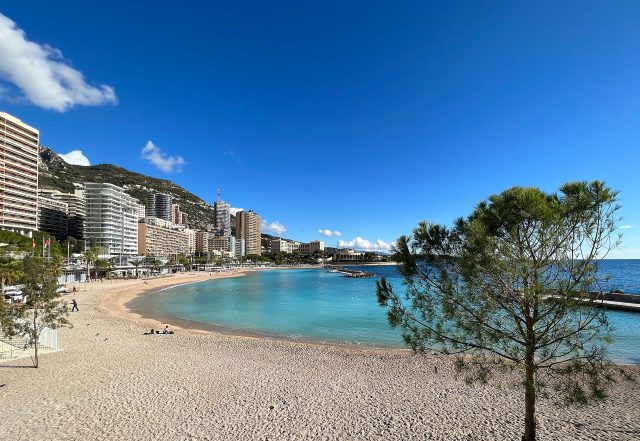
Larvotto itself has changed dramatically. Once a working-class area where fishermen and laborers lived, it’s now home to some of Monaco’s most expensive hotels and residences. Yet Saint Charles stands as a quiet counterpoint to all that, a reminder that even here, time moves differently. Nearby, narrow streets wind down to the sea, offering glimpses of a Monaco that’s less polished—more lived-in, more real.
Few guided tours stop here, and that’s part of its charm. The church doesn’t try to impress; it simply exists, unobtrusive but dignified. Maybe that’s why those who find it often return. Monaco has no shortage of sights, but Saint Charles is one of the few places that invites you to feel rather than just see.