The Church of St. John the Baptist stands quietly along the ancient walls of Malta’s old city, a place where history feels both distant and immediate. Built in the late 16th century, it was one of many churches erected during the rule of the Knights of St. John, who left behind a legacy of stone and faith that still shapes Malta’s identity. The church is modest in size, perched on the edge of the fortifications, overlooking the harbor below.
The architecture here blends the practical and the sacred. The façade is simple, with clean lines and a single bell tower visible from the water. Inside, whitewashed walls reflect the Mediterranean light streaming through tall, narrow windows. The altar holds a painting of St. John the Baptist, a figure revered in Malta as a symbol of resilience. The Knights adopted him as their patron, and his image appears in churches across the islands.
This church differs from others in Malta because of its location. It wasn’t built in the heart of a town but on the edge of the city walls, where the land drops sharply toward the sea. The Knights chose this spot deliberately, ensuring the church would be visible from the harbor—a landmark for sailors and a statement of their presence. Even today, standing on the ramparts nearby, you can see how the church fits into the landscape, its silhouette merging with the stone fortifications.
The church has witnessed centuries of history. During the Great Siege of Malta in 1565, when Ottoman forces laid siege to the islands, the old city walls were a critical line of defense. While the church wasn’t at the center of the fighting, it would have been a place of refuge and prayer. Later, under British rule, it remained a constant, a small but enduring part of the island’s religious and cultural fabric. Fishermen and dockworkers might have stopped here for a moment of quiet before heading back to their daily routines, or families gathered for feast days, their voices mingling with the sound of waves below.
Today, the Church of St. John the Baptist is still an active place of worship, though it doesn’t draw the same crowds as the grander cathedrals in Valletta or Mdina. The churchyard is small, with a few benches where visitors can sit and take in the view. From here, the harbor stretches out below, dotted with boats and framed by the fortified walls that curve along the coastline. It’s a view that hasn’t changed much in centuries.
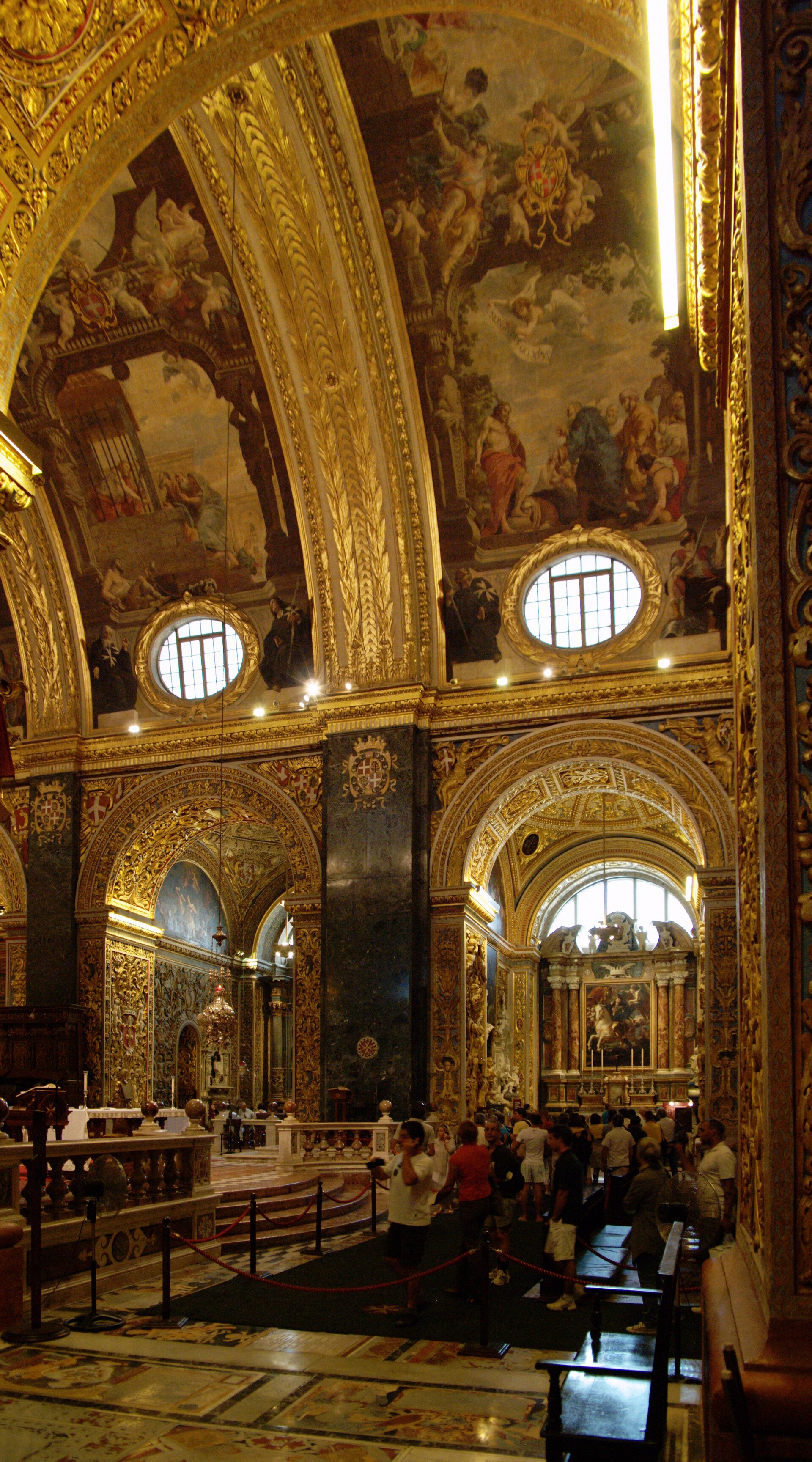
The interior is as understated as the exterior. The floor is made of local limestone, worn smooth by time. The pews are simple, their wood darkened by age, and the air carries the faint scent of incense and old stone. There are no elaborate frescoes or gilded decorations—just the essentials of worship, a space for reflection. On feast days, the church comes alive with music and candlelight, but even on ordinary days, there’s a sense of reverence in the air.
For those who visit, the church offers more than a glimpse into Malta’s religious past. It’s a place where the layers of history feel tangible—the Knights, the sieges, the daily lives of ordinary people who once walked these same paths. The church reminds you that Malta’s story isn’t just about grand battles or famous rulers, but about the quiet, enduring moments that shape a place over time. Standing here, with the wind coming off the sea and the sound of church bells in the distance, you might feel connected to something larger than the present.
If you’re exploring the old city walls, the church is worth a detour. It doesn’t demand attention, but it rewards those who pause to notice it. There’s no grand entrance—just a simple wooden door, slightly weathered by the salt air, inviting you to step inside. Once you do, the church has a way of making time feel slower. It’s a place where the past and present coexist in the quiet details—the texture of the stone, the play of light on the altar, the distant echo of footsteps on the ramparts outside.