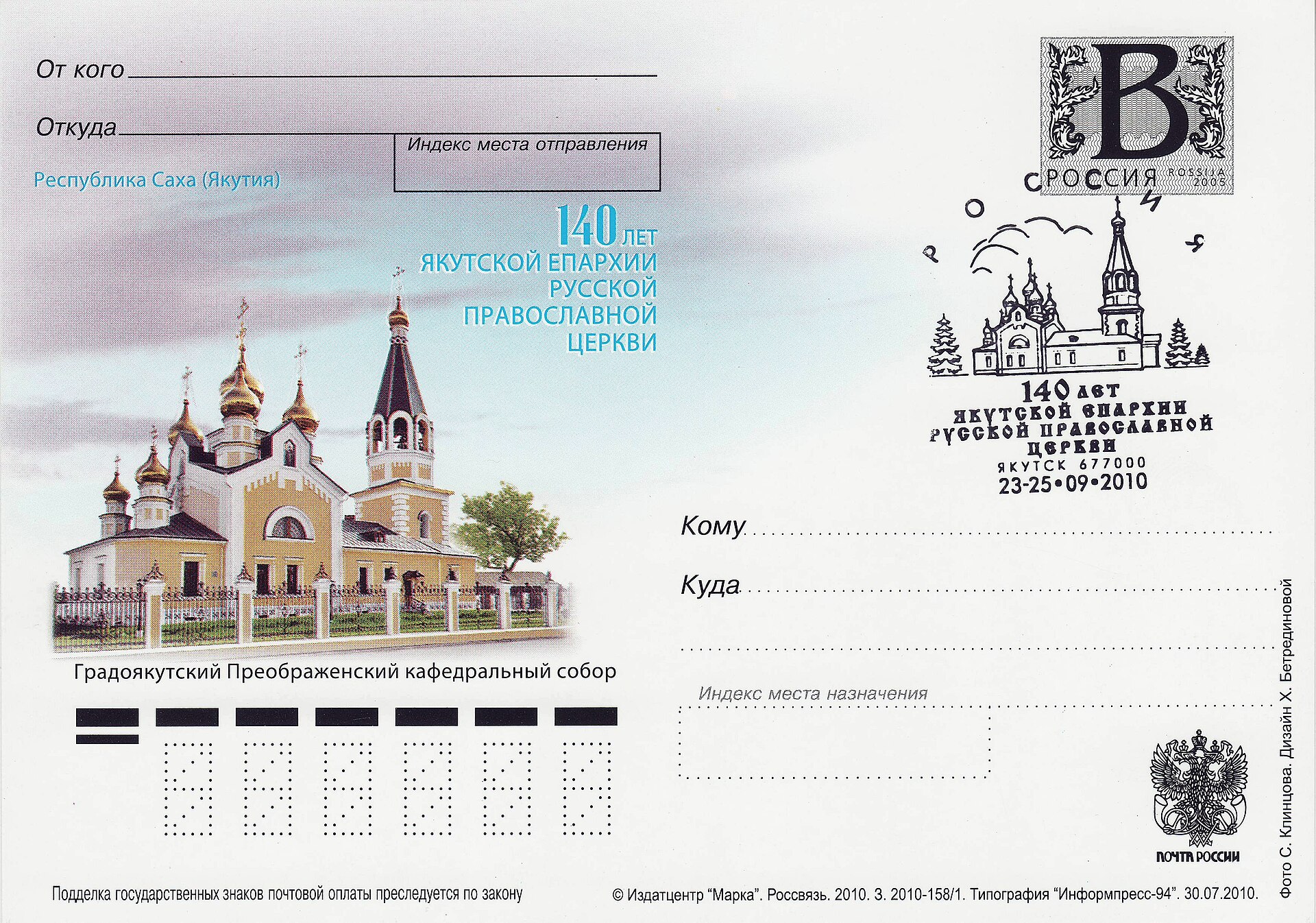
The Church of the Transfiguration in Yakutsk feels like a place where time has quietly settled into stillness. Built in the mid-18th century, it stands on the banks of the Lena River, a silent witness to the changes that have swept through this remote corner of the world. Unlike many Siberian churches that have been rebuilt or lost to fire, this one has remained remarkably unchanged. Its wooden walls, darkened by centuries, carry the marks of those who built it under the harshest conditions, when every nail and log had to be hauled from distant places across the frozen earth.
The church’s architecture is unassuming, and that’s precisely what makes it special. A modest single-story log structure with a small bell tower and a pitched roof, it embodies the simplicity of Siberian ecclesiastical design from its time. Inside, there’s no grandeur—just a locally crafted iconostasis, plain wooden benches, and the soft, dim light filtering through narrow windows. There’s no gilding or marble here, but there is an authenticity that’s hard to find in more famous places of worship. The walls seem to hold the echoes of parishioners who gathered here during winters when temperatures plunged below minus fifty degrees.
The history of the Church of the Transfiguration is woven into the story of Yakutsk and Eastern Siberia itself. In the 18th century, the city was not only an administrative hub but also a key outpost in Russia’s push toward the Far East. The church was part of that effort, built not just for spiritual solace but as a symbol of imperial presence in these distant lands. Yakutsk was also a place of exile, and many who found themselves here against their will—Decembrists, Polish insurgents, and ordinary people torn from their homes—sought comfort within these walls.
What’s striking is that the church was never the city’s main cathedral. Yakutsk had larger, wealthier churches, yet the Church of the Transfiguration became a place where people came not just on holidays but in everyday life. Perhaps it was its location, set apart from the bustle of the city center, or the lack of rigid formality that made it feel more approachable. Locals have always held it in particular affection, simply calling it the Transfiguration Church.
Today, the Church of the Transfiguration is both an active place of worship and a historical monument. It survived revolution, Soviet-era neglect, and fires that threatened its existence. In the late 20th century, it was restored to its original appearance as much as possible. Now, it looks much as it did two and a half centuries ago, though the city around it has grown, and the Lena River is no longer the wild, untamed waterway it once was.
Visiting the church offers a glimpse into old Yakutsk. Inside, the scent of wood and wax lingers, and the only sounds are the rustling of prayer books. In summer, the view from the riverbank is striking, while in winter, the church blends into the snowy landscape, almost disappearing into the white expanse. On feast days, services draw not only the faithful but also those who want to connect with the past.
The Church of the Transfiguration is more than just a landmark—it’s a living place where history and the present intersect. It reminds visitors that Yakutsk is more than diamonds, permafrost, and extreme cold. It’s a city with a layered past, where the lives of exiles, settlers, and indigenous peoples have intertwined. Sitting on one of the wooden benches, it’s easy to imagine the voices of those who once prayed here, building a city and a future in one of the most challenging places on earth.