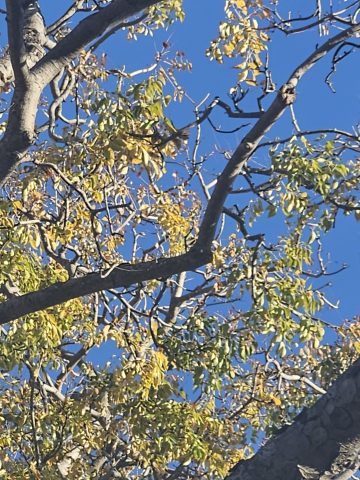
Bulawayo’s Central Park is one of those places that feels like the quiet heart of the city, even if it isn’t exactly at its geographical center. It’s not the kind of park that draws crowds with flashy attractions or manicured gardens, but rather a space where the rhythm of daily life in Zimbabwe’s second-largest city unfolds without pretense. Here, the air carries the scent of dry earth and acacia trees, and the shade of mature jacarandas offers a respite from the sun, especially in the late afternoon when the light turns golden and soft.
The park has been around since the early 20th century, a time when Bulawayo was still finding its identity as a colonial settlement. Back then, it was a place for the British administrators and local elites to stroll, socialize, and escape the dust of the growing town. Over the decades, it has absorbed the changes of the city around it—wars, independence, economic shifts—without ever losing its role as a public gathering spot. The layout is simple: wide, sandy paths that curve gently around open lawns, a few benches scattered under trees, and a small pavilion that occasionally hosts community events. There’s nothing grand about it, but that’s part of its charm.
What makes Central Park interesting isn’t just its age or its design, but the way it reflects the layers of Bulawayo’s history. The city itself was founded in the late 19th century by the Ndebele king Lobengula, though the park came later, during the colonial era when the British South Africa Company sought to shape the urban landscape. After Zimbabwe’s independence in 1980, the park became a space for everyone, not just a privileged few. You’ll see families picnicking on weekends, vendors selling roasted maize or cold drinks from coolers, and groups of young men playing impromptu games of soccer on the open patches of grass. It’s a place where the past and present coexist without fanfare.
The architecture around the park tells its own story. The buildings that border it are a mix of colonial-era structures and more modern constructions, their facades weathered by time and the harsh Zimbabwean sun. Some of the older buildings have high ceilings and wide verandas, remnants of a time when architecture was as much about staying cool as it was about aesthetics. The park itself doesn’t have any particularly notable monuments or sculptures, but the trees—especially the jacarandas and flamboyants—are living landmarks, their blooms turning the park into a burst of purple and red in the right season.
For locals, Central Park is less about sightseeing and more about everyday life. It’s where office workers take their lunch breaks, where students sit with books or friends, and where elderly men gather to play chess or draughts under the trees. The atmosphere is unhurried, even when the city around it buzzes with activity. There’s a sense of ownership here, as if the park belongs to the people who use it, not to any official body. That informality is part of what makes it feel authentic—a place where the rules of urban life are a little more relaxed.
The park also serves as a quiet witness to Bulawayo’s economic struggles and resilience. In recent years, the city has faced challenges, from hyperinflation to water shortages, and Central Park has become a gathering place for those who need a break from the stresses of daily life. You might see a group of women selling handmade crafts under a tree, or a musician strumming a guitar for spare change. These small moments of commerce and creativity are a reminder that the park isn’t just a green space; it’s a microcosm of the city’s spirit.
One of the most striking things about Central Park is how unassuming it is. There are no grand fountains, no manicured flowerbeds, no signs pointing out historical significance. It’s just a patch of land where people come to sit, talk, or simply be. That simplicity is deceptive, though, because the park holds a kind of quiet importance. It’s a place where the city’s history is visible in the cracks of the pavement, in the way the trees have grown taller than the buildings around them, in the way people move through it without hurry.
If you visit, don’t expect a tourist attraction. Central Park isn’t about spectacle; it’s about the small, unscripted moments that make up life in Bulawayo. Walk its paths in the early morning, when the air is cool and the city is just waking up, or in the evening, when the setting sun casts long shadows and the sounds of the day begin to fade. Sit on one of the benches and watch how the park changes with the light. It’s not the kind of place that will leave you breathless, but it might leave you with a sense of how a city breathes.