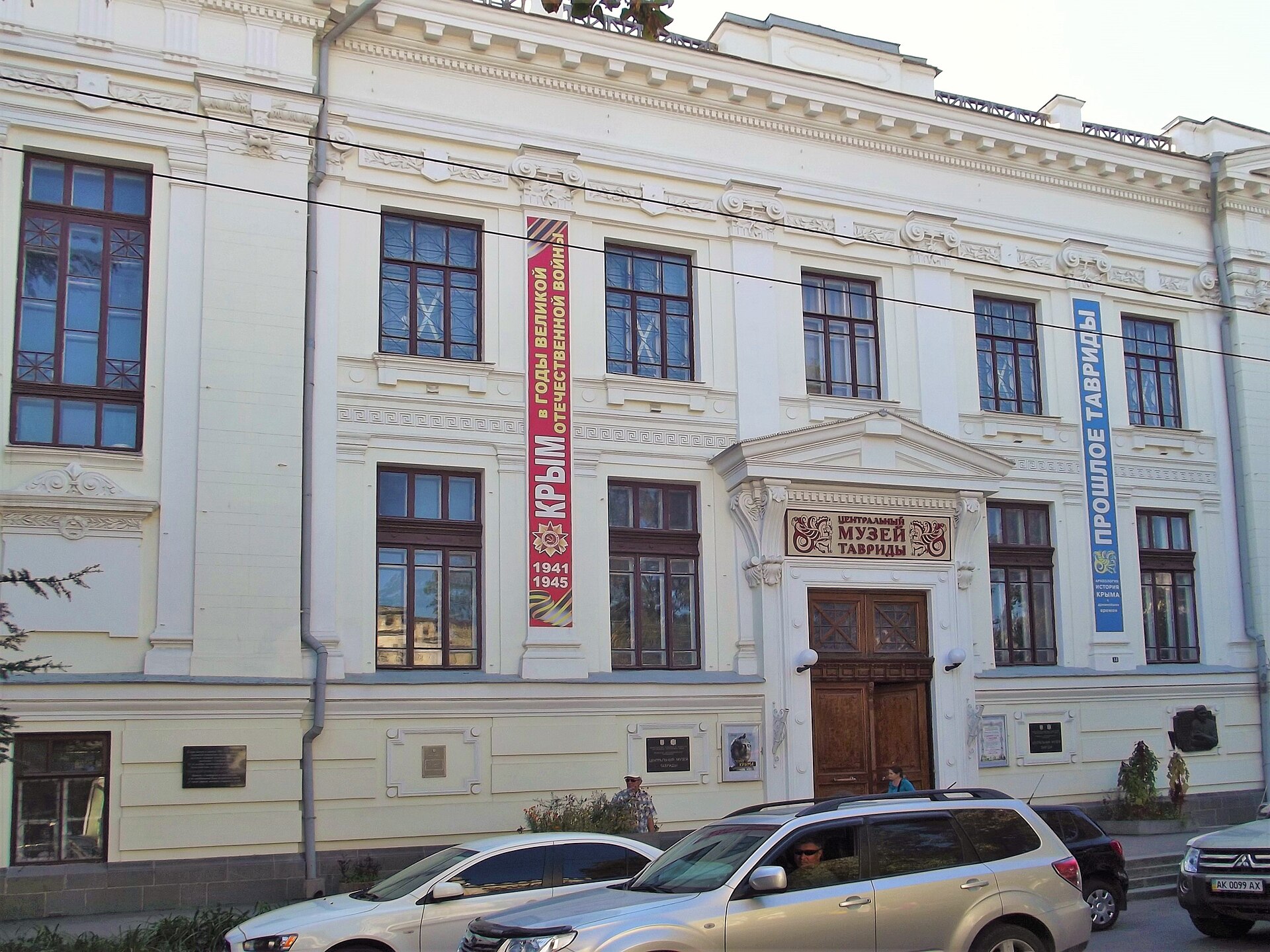
The Tavrida Central Museum in Simferopol is one of those rare places where history feels alive—not through dry dates or glass-encased exhibits, but through the quiet weight of the past lingering in the air. Housed in a 19th-century mansion on Gogol Street, the building itself is part of the story. Its high ceilings, intricate moldings, and blend of classical and Crimean architectural details create an atmosphere that invites visitors to step into another time. The museum doesn’t just display artifacts; it offers a journey through the layers of a land that has been shaped by countless cultures, conflicts, and transformations.
Founded in 1887 as the Tavrian Scientific Archival Commission, the museum began as a modest effort to preserve the region’s history. Over the decades, its collection has grown to over three hundred thousand items, each a piece of the puzzle that is Crimea. The archaeological exhibits are particularly striking, with stone tools, pottery, and jewelry that speak of the peninsula’s earliest inhabitants. The Scythian and Sarmatian artifacts stand out—gold ornaments that once adorned the clothing and weapons of nomadic warriors, now carefully preserved behind glass. These objects aren’t just relics; they’re echoes of a time when Crimea was a crossroads of empires and tribes.
The museum doesn’t stop at antiquity. Its halls hold traces of the Genoese colonies that flourished along the southern coast in the Middle Ages—trade agreements, maps, and weapons that hint at the bustling commerce and cultural exchange of the era. Another section is dedicated to the Crimean Khanate, a period when the descendants of the Golden Horde ruled the peninsula. Here, visitors can see the elaborate robes of khans, ceremonial weapons, and personal belongings that offer a glimpse into the lives of the region’s rulers. The exhibits don’t romanticize the past; they present it as it was—complex, often brutal, but undeniably fascinating.
One of the most thought-provoking sections covers Crimea’s annexation by the Russian Empire in 1783. The museum approaches this pivotal moment with nuance, displaying decrees from Catherine the Great, maps of newly founded cities, and everyday objects that reflect the changes sweeping through the peninsula. There’s no attempt to simplify the narrative; instead, the exhibits encourage visitors to form their own conclusions about the consequences of that era. It’s a rare balance—acknowledging historical significance without imposing a single interpretation.
The Soviet period is also well-represented, with exhibits that span the 20th century. Documents from the Revolution and the Civil War sit alongside personal items from World War II—letters, photographs, and medals that humanize the stories of those who lived through those turbulent years. A particularly moving display features models of towns and villages rebuilt after the war, a reminder of both resilience and loss. The museum doesn’t shy away from the darker chapters of history, but it also doesn’t dwell on them in a way that feels exploitative. Instead, it presents the past as a continuum, where every era leaves its mark.
Beyond history, the Tavrida Museum is a place where the present and future of Crimea are also explored. Recent archaeological discoveries, like those from Chersonesus, are incorporated into the exhibits, showing how the past is still being uncovered. The museum also touches on contemporary challenges, such as preserving cultural heritage amid tourism and development. It’s a living institution, constantly evolving as new research and artifacts come to light. This dynamism makes it more than just a repository of objects; it’s a space where history is actively engaged with, debated, and reinterpreted.
A visit to the museum is as much about the experience as it is about the exhibits. The building’s location in the heart of Simferopol makes it an easy stop on a walking tour of the city. Nearby, the Cathedral Square, the historic mansions on Karl Marx Street, and the park with the monument to Dolgorukov offer glimpses into other layers of the city’s past. After wandering through the museum’s halls, it’s worth taking a moment to sit in one of the nearby cafés, sipping coffee while reflecting on what you’ve seen. The Tavrida Museum doesn’t just tell stories—it makes you feel them, leaving visitors with the sense that they’ve touched something enduring, something that connects them to the land and its people.