Kigali’s Inema Arts Center feels like stepping into a living canvas, where the energy of Rwanda’s creative spirit hums in every corner. Tucked away in the quiet neighborhood of Kacyiru, this space isn’t just a gallery—it’s a hub where tradition and contemporary expression collide, often in unexpected ways. Founded in 2012 by two brothers, Emmanuel Nkuranga and Innocent Nkurunziza, the center was born from a simple but powerful idea: to give Rwandan artists a platform to tell their own stories, free from the weight of historical narratives imposed by outsiders. What started as a modest studio has grown into one of the city’s most vibrant cultural landmarks, drawing both locals and visitors who come to see how art can reflect, challenge, and heal.
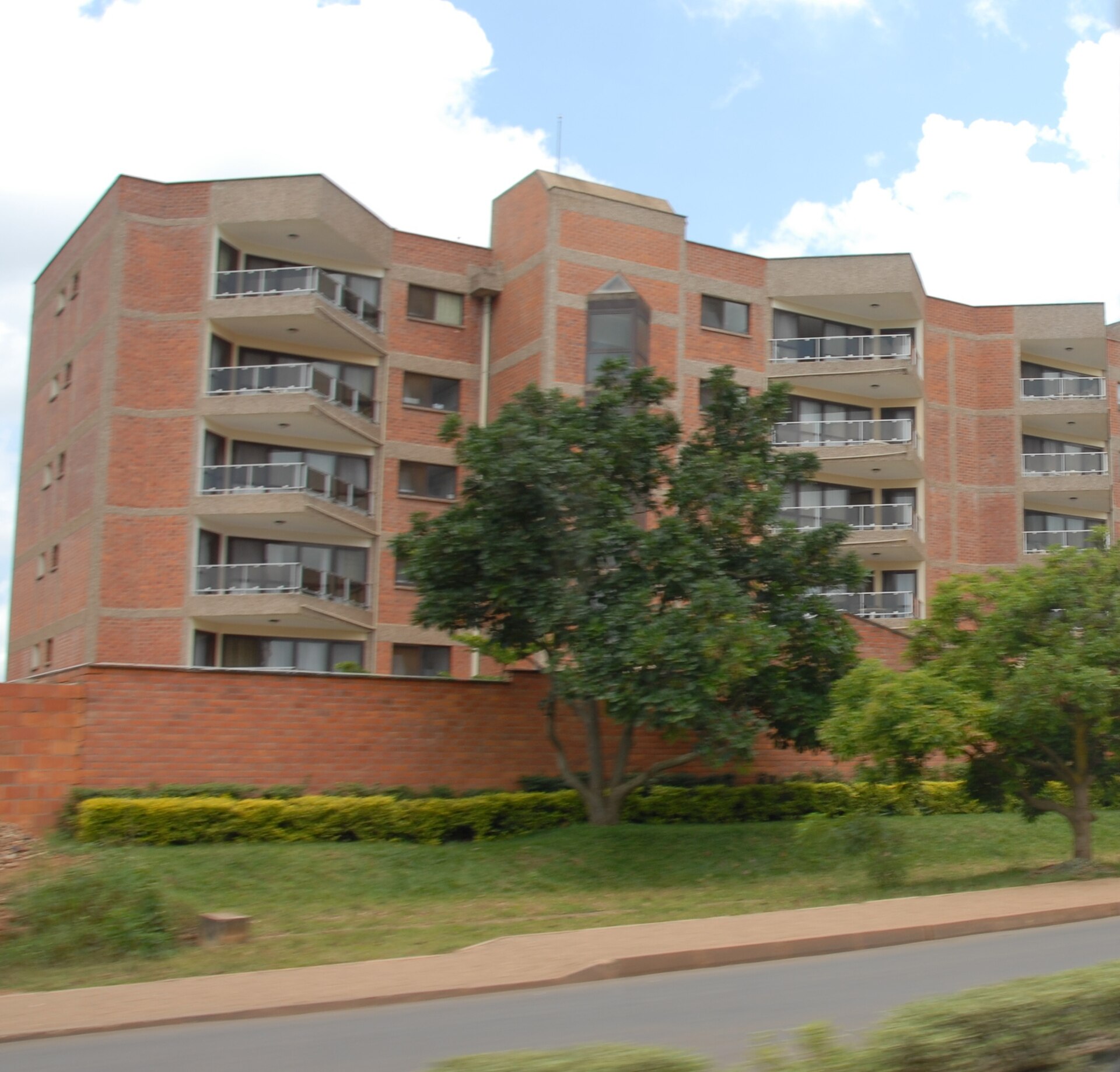
The building itself is unassuming, a low-slung structure with whitewashed walls that seem to glow under the Rwandan sun. Inside, the air is thick with the scent of paint and the quiet murmur of conversation. The main gallery space is open and airy, with high ceilings that allow natural light to spill across the canvases. The works on display shift frequently, but you’ll often find bold, colorful pieces that blend traditional Rwandan motifs with modern techniques. Some artists play with the country’s history, reimagining the past through abstract forms or striking portraits, while others focus on the everyday—market scenes, rural landscapes, or the quiet moments of life in Kigali. The center also hosts rotating exhibitions, so no two visits feel the same.
Beyond the gallery, Inema is a place of creation. The studios attached to the main space are where much of the magic happens. Here, artists work in a mix of solitude and collaboration, their easels clustered together in a way that feels more like a shared workshop than a formal institution. Visitors are often welcome to watch the process, though the atmosphere is never performative. Instead, there’s a sense of quiet focus, as if the artists are too absorbed in their work to notice an audience. It’s a rare glimpse into the behind-the-scenes of Rwandan art, where the line between finished piece and work in progress is delightfully blurred.
One of the most compelling aspects of Inema is its role in nurturing new talent. The center runs programs for young artists, offering mentorship and resources to those just starting out. For many, this is a lifeline in a country where formal art education can be hard to come by. The brothers who founded Inema have made it a point to keep the space accessible, ensuring that it remains a place where creativity isn’t just for the elite. This ethos extends to the center’s café, a casual spot where artists, students, and visitors mingle over coffee or tea. The walls here are just as likely to be adorned with sketches as the main gallery, reinforcing the idea that art isn’t something confined to a frame—it’s part of the fabric of daily life.
The center also plays a subtle but important role in how Rwanda presents itself to the world. In the years following the genocide, the country’s image was often defined by its trauma, with outsiders focusing on the past at the expense of the present. Inema, along with other cultural spaces in Kigali, has helped shift that narrative. The art here doesn’t ignore history, but it doesn’t let it dominate either. Instead, it offers a counterpoint—a reminder that Rwanda is a place of resilience, innovation, and beauty. The works often speak to themes of unity and renewal, but they do so without being didactic. There’s a lightness to much of the art, a sense of playfulness that feels like a quiet act of defiance.
For those who spend time in Kigali, Inema becomes more than just a stop on a cultural itinerary. It’s a place where you can return again and again, each visit revealing something new. The artists who show here are part of the city’s evolving identity, and their work reflects the complexities of modern Rwanda. You might see a painting that captures the hustle of a Kigali street market, or a sculpture that reinterprets traditional Rwandan crafts in a way that feels fresh and unexpected. The center also hosts occasional performances, film screenings, and discussions, turning it into a gathering place for anyone interested in the arts. These events are often low-key, announced by word of mouth or a simple poster on the door, which only adds to the sense that Inema is a space for the community, not just tourists.
The neighborhood around Inema is worth exploring too. Kacyiru is one of Kigali’s more laid-back areas, with tree-lined streets and a mix of residential and diplomatic buildings. It’s a far cry from the bustle of the city center, and the quiet here makes the center feel even more like an oasis. Nearby, you’ll find small cafés and local eateries where you can grab a bite after a visit. The contrast between the art inside Inema and the everyday life outside is striking—one moment you’re surrounded by vibrant canvases, the next you’re back in the rhythm of the city, where moto-taxis weave through traffic and the sound of construction hums in the distance.
What makes Inema special isn’t just the art on the walls, but the way it feels alive. This isn’t a museum where pieces are preserved behind glass; it’s a place where creativity is still unfolding. The artists who work here are part of Kigali’s daily life, and their presence gives the center a sense of authenticity that’s hard to find elsewhere. Whether you’re an art lover or just someone curious about Rwanda beyond the usual narratives, Inema offers a different kind of experience—one that’s intimate, ever-changing, and deeply human. It’s a reminder that art isn’t just about what you see, but about the stories behind it, the hands that created it, and the place it calls home.