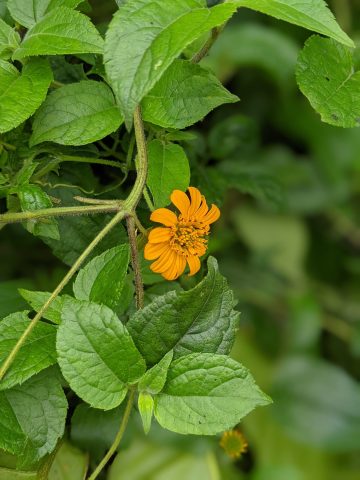
Kpalimé sits quietly in the hills of southwestern Togo, a place where the air is cooler and the pace of life slower. The town is wrapped in tropical forests, its streets lined with low-slung buildings and the occasional market stall selling fresh fruit or handwoven baskets. It’s not a place that draws crowds, and that’s part of its charm. Here, tradition isn’t something preserved behind glass—it’s alive, woven into daily routines and passed down through generations. The Centre des Arts et Métiers is one of those rare places where you can see that continuity in action.
The centre was established in the late 20th century as a way to support Togo’s artisans, many of whom rely on their craft for survival. In a country where handmade goods are still a cornerstone of local economies, the centre provides a space for skills that might otherwise fade. Weavers, potters, woodcarvers, blacksmiths, and painters work side by side, each practicing techniques that have been refined over centuries. For them, craftsmanship isn’t just a job; it’s a language, a way of connecting to their heritage and to each other.
The buildings themselves are unassuming, constructed from clay, wood, and stone—materials that blend seamlessly with the surrounding landscape. Inside, the workshops are open and airy, filled with the hum of activity. Looms clatter, clay is shaped by hand, and the scent of freshly carved wood lingers in the air. The centre doesn’t feel like a museum; it feels like a living workshop, where creativity isn’t confined to the past but happens in the present, right in front of you.
Textiles hold a special place here. In Togo, fabric is more than just cloth—it’s a form of storytelling. Patterns and colors convey messages, mark milestones, and preserve histories. At the centre, you can watch as raw cotton or silk is transformed into the vibrant kente or ewe fabrics that Togo is known for. The weavers work on traditional looms, their hands moving with precision and rhythm. The process is slow, almost meditative, and it’s easy to lose track of time watching the threads come together.
Pottery is another craft that thrives here. The clay used comes from the hills around Kpalimé, rich and pliable in the hands of skilled artisans. The techniques haven’t changed much over the years—hand-building, coiling, and firing in open pits. The potters shape everything from simple bowls to intricate figurines, often finishing them with a glossy glaze that gives the pieces depth and warmth. They’re happy to explain their methods, showing how the clay is prepared or why the firing process takes days. It’s a reminder that some traditions don’t need to be modernized to remain relevant.
Woodcarving is equally central to the centre’s work. The artisans here create masks, statues, and everyday objects, each piece carrying the marks of its maker. Wood in Togo is often seen as sacred, and many carvings serve a dual purpose—both decorative and spiritual. Masks are used in ceremonies, while ancestor figures are kept in homes as protectors. Watching a carver at work is fascinating: the way they select a piece of wood, sketch the design, and then slowly bring it to life with chisels and sandpaper. The process is deliberate, almost reverent.
For those who want to try their hand at these crafts, the centre offers workshops. Under the guidance of experienced artisans, visitors can learn the basics of weaving, pottery, or wood painting. It’s not about perfection—it’s about understanding the effort and skill that goes into each piece. Many leave with something they’ve made themselves, a small but meaningful connection to the culture.
What makes the centre special isn’t just the crafts on display, but the sense of community. There’s no rush here, no pressure to buy or move along. Visitors often find themselves lingering, chatting with the artisans, or simply sitting in the shade watching the work unfold. The atmosphere is warm and unpretentious, a place where curiosity is met with openness.
Kpalimé itself moves at a gentle rhythm, and the centre fits perfectly into that pace. There are no tourist traps, no crowds jostling for photos. Instead, there’s the quiet hum of creativity, the steady hands of artisans at work, and the chance to see a side of Togo that’s often overlooked. For many travelers, it’s a revelation—a place where you don’t just take home a souvenir, but a deeper understanding of how and why it was made. That’s what lingers long after the visit.