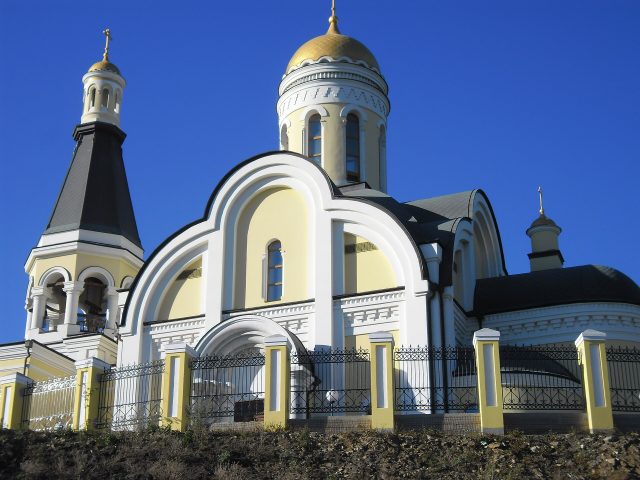
The Chelyabinsk State Museum of Arts occupies a quiet corner of the city where art isn’t just something to observe from a distance—it feels like a natural part of everyday life. Housed in a building that carries its own story, the museum stands in the heart of Chelyabinsk, its architecture a blend of European elegance and the rugged character of the Ural region. Built in the early 20th century as a merchant’s mansion, the structure still retains the grandeur of its past: high ceilings adorned with intricate molding, large windows that soften the light, and an atmosphere that makes you feel as if you’ve stepped into another era. The building itself has witnessed the city’s transformations—from a private residence to a public institution, and finally, in 1940, to the cultural hub it remains today.
The museum’s collection spans centuries and styles, but its strength lies in Russian art from the 18th to the early 20th century. Here, you’ll find works by some of the country’s most celebrated artists—Ivan Aivazovsky’s seascapes, Vasily Surikov’s historical scenes, and Ivan Shishkin’s forest landscapes—alongside lesser-known but equally compelling pieces. The paintings tell stories of their time, whether through sweeping landscapes, intimate portraits, or scenes of daily life. What makes the collection particularly interesting is its focus on Ural artists, whose work reflects the region’s unique position between Europe and Asia. Their paintings often carry a distinct roughness in their lines, a vividness in their colors, and a deep connection to the local environment, whether it’s the stark beauty of the taiga or the quiet rhythm of provincial life.
While the museum may not rival the vast European collections of Moscow or St. Petersburg, its Western art holdings are no less meaningful. The selection includes 17th-century Flemish and Dutch masters, Italian Renaissance works, and 18th-century French paintings. Each piece offers a glimpse into a different world, where art wasn’t just decorative but a way to express ideas, beliefs, and social change. The smaller scale of the collection allows for a more intimate experience—you can take your time studying the details, tracing the brushstrokes, and losing yourself in the stories these works tell.
Contemporary art has also found a home here, with the museum regularly hosting exhibitions by local and Russian artists working across various mediums. These shows might feature traditional painting and drawing, but they also include installations, photography, and digital art. Modern art isn’t always easy to interpret, and that’s part of the point—these exhibitions often spark conversations, debates, and even disagreements. The museum embraces this, serving as a platform for new ideas, even when they challenge or provoke. It’s a space where art isn’t just displayed but actively engaged with, whether through discussions, workshops, or collaborations with artists.
Beyond its permanent and temporary exhibitions, the museum is a place of learning and creativity. Lectures, masterclasses, concerts, and artist talks are regular occurrences, making it more than just a repository of art—it’s a living, breathing part of the city’s cultural life. For children, there are special tours and hands-on activities where they can try their hand at painting or drawing, turning a visit into an experience rather than just a passive observation. This approach helps the museum feel accessible and relevant, not just to art historians or connoisseurs, but to anyone curious enough to walk through its doors.
The building itself is a piece of history. After the revolution, the mansion was nationalized and served various purposes before becoming a museum in the 1940s. Over the decades, it has undergone multiple restorations, each one carefully balancing the need to preserve its original character with the demands of modern museum standards. Today, it stands as both a cultural institution and an architectural landmark, a reminder of how Chelyabinsk has evolved over the years. The high ceilings, ornate details, and warm lighting create an atmosphere that feels timeless, as if the building itself is whispering stories of the past.
Visiting the museum offers more than just a chance to see art—it’s an opportunity to understand the city in a different light. Chelyabinsk is often seen through the lens of its industrial identity, a place of factories and harsh winters, but there’s another side to it, one that’s creative, vibrant, and deeply human. The Museum of Arts is where that side comes to life. It may not have the scale of the Hermitage or the Tretyakov Gallery, but that’s part of its charm. Here, you can wander through the halls without feeling overwhelmed, taking in each piece at your own pace. There’s no rush, no pressure—just art, history, and the quiet pleasure of discovery.
In recent years, the museum has been growing, expanding its collection and programming to reflect the changing world of art. New exhibition spaces have opened, displays have been updated, and international collaborations have brought fresh perspectives. It’s a place that doesn’t stand still, that adapts and evolves while staying true to its roots. Chelyabinsk might not be the first city that comes to mind when you think of art, but the museum proves that culture thrives here just as much as anywhere else. Perhaps that’s why a visit here feels so rewarding—it’s not about grandeur or fame, but about something real, something that resonates on a personal level.