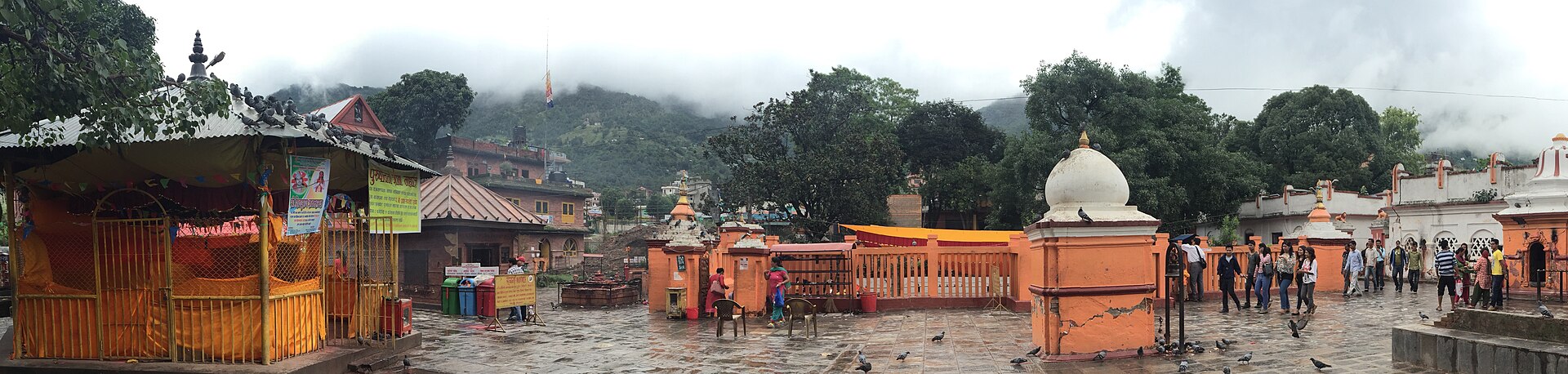
Nestled in the northern reaches of the Kathmandu Valley, where the city’s relentless energy begins to soften into quieter villages and rolling farmland, Budhanilkantha offers a rare sense of timelessness. Here, the past isn’t preserved behind glass or roped off for tourists—it breathes, unhurried, in the daily rituals of those who come to pay their respects. At the heart of this place lies a colossal stone figure of Vishnu, carved from a single slab of black basalt, reclining in the center of a rectangular pond. The statue, nearly five meters long, depicts the deity in a state of serene repose, his body resting on the coiled body of Shesha, the mythical multi-headed serpent. Locals often call it Narayan, after one of Vishnu’s incarnations, though the name Budhanilkantha—"old blue throat," a reference to Shiva—has stuck, despite the statue’s clear Hindu origins. Some even mistake it for a sleeping Buddha, a confusion that speaks to the fluidity of faith in this part of Nepal.
The craftsmanship of the statue is striking, not just for its scale but for the delicate precision of its details. Vishnu’s limbs are gracefully arranged, his fingers gently curled, his face tilted slightly upward as if caught in a dream. The serpent beneath him, with its hooded heads fanned out behind, seems to cradle the god in an eternal embrace. Historians believe the statue dates back to the Licchavi period, between the 7th and 8th centuries, when the Kathmandu Valley was a hub of artistic and architectural innovation. Yet its exact origins remain unclear. Some stories claim it was unearthed by farmers plowing their fields, while others suggest it was transported from India, though no records confirm either tale. What is certain is that for over a thousand years, this figure has been a focal point of devotion, its presence shaping the landscape around it.
Budhanilkantha is not a museum piece but a living temple, where faith is practiced openly and without pretense. Every morning, devotees gather at the pond’s edge, offering marigolds, lighting oil lamps, and murmuring prayers. Some reach out to touch the statue’s feet, believing the act will bring them blessings. The air hums with the sound of chanting, the scent of incense mingling with the damp earth of the pond. The most vibrant time to visit is during Haribodhini Ekadashi, a festival marking Vishnu’s awakening from his four-month slumber. On this day, the statue is draped in flowers and jewels, and the temple grounds come alive with music, dance, and the chatter of pilgrims. For those who witness it, the celebration feels less like a spectacle and more like a communal act of reverence, passed down through generations.
The surrounding complex is modest compared to the grand temples of Kathmandu’s more famous sites, but its simplicity only adds to its charm. Small shrines and pavilions, built in the traditional Newari style, dot the area, their wooden windows intricately carved and their tiled roofs weathered by time. Unlike Swayambhunath or Pashupatinath, where tourists often outnumber worshippers, Budhanilkantha retains an intimate, unhurried atmosphere. There are no guided tours here, no vendors hawking trinkets—just the quiet rhythm of devotion. Visitors can sit on the stone steps for hours, watching as monks in saffron robes recite scriptures or as elderly women circle the pond, their lips moving in silent prayer.
One of the most intriguing aspects of Budhanilkantha is how seamlessly it bridges Hindu and Buddhist traditions. Though the statue depicts Vishnu, many Buddhists also revere it as an image of the Buddha, a testament to the syncretic nature of religion in the Kathmandu Valley. Here, the boundaries between faiths blur, not out of confusion but out of a shared spiritual heritage. This blending is evident in the rituals performed at the site, where offerings and prayers reflect influences from both traditions. It’s a reminder that in Nepal, religion is rarely a matter of strict doctrine but rather a living, evolving practice.
Reaching Budhanilkantha is part of the experience. The journey from central Kathmandu takes you through narrow lanes lined with brick houses, past fields where farmers tend to their crops, and alongside streams where women wash clothes in the cool water. The air carries the scent of woodsmoke and damp earth, and in the distance, the snow-capped peaks of the Himalayas loom like silent guardians. The contrast between the bustling city and this tranquil corner of the valley is striking. Here, time moves differently—slower, softer, as if the weight of centuries has settled into the very stones.
For all its spiritual significance, Budhanilkantha is also a place of quiet beauty. The pond, fed by natural springs, reflects the statue like a mirror, its surface rippling only when the wind stirs or when a devotee tosses in a handful of petals. The surrounding gardens, though not meticulously landscaped, have a wild, organic charm, with moss creeping over the stone steps and vines trailing from the temple eaves. Early mornings are the best time to visit, when the light is soft and the air still holds the night’s chill. There’s a sense of anticipation in those first hours, as if the day itself is waking alongside the god in the pond.
A visit to Budhanilkantha is as much about observing as it is about participating. This is not a place for loud conversations or intrusive photography, especially during ceremonies. Respect is woven into the fabric of the site—visitors are expected to dress modestly, remove their shoes before approaching the pond, and refrain from touching the statue unless they are there to worship. The rules aren’t enforced by guards or signs but by the unspoken understanding of those who come here. In that sense, Budhanilkantha offers a glimpse into the soul of Kathmandu, a city where the sacred and the everyday coexist in a delicate balance. It’s a reminder that some places are not meant to be conquered or consumed but simply witnessed, with patience and an open heart.