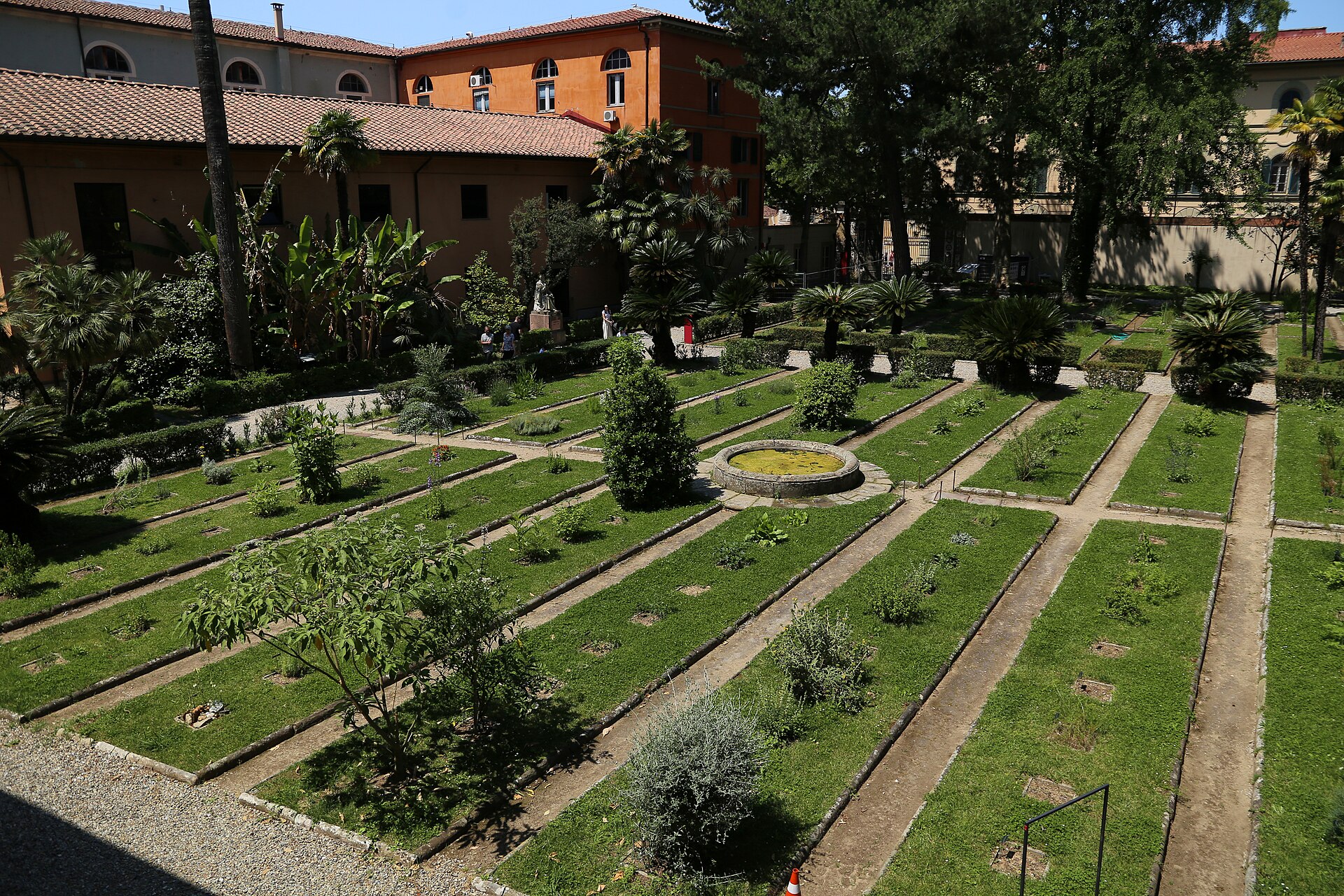
Pisa’s Botanical Garden is one of those quiet places that often go unnoticed beside the city’s more famous landmarks, yet it holds a kind of understated magic. Founded in the mid-16th century, it is the oldest university botanical garden in the world, a place where science and nature have intertwined for nearly five hundred years. While tourists flock to the Leaning Tower, the garden offers something different—a retreat where time seems to slow, and the past feels close enough to touch.
The garden owes its existence to Cosimo I de’ Medici, the Duke of Tuscany, and the botanist Luca Ghini, who became its first director. Originally located closer to the city center, it was moved to its current spot by the Arno River in the late 16th century. This was when the garden began to take on its role as a living archive of the world’s flora, with plants arriving from distant colonies and exchanges with other European scholars. Today, it houses around six thousand species, not just as a static collection but as an active research site for the University of Pisa.
Walking through the garden, you can sense the weight of history in the air. Some of the oldest trees, planted in the 17th century, stand as silent witnesses to the early days of botany as a formal science. A massive plane tree, its branches spreading wide enough to shade even the hottest summer days, dominates one corner. Nearby, palms, magnolias, and exotic species from South America and Asia grow alongside more familiar Mediterranean plants. Each section tells its own story—whether it’s the orderly beds of medicinal herbs, once essential to Renaissance medicine, or the greenhouses where rare specimens have been cultivated for centuries.
The architecture of the garden reflects its long history. The 19th-century greenhouses, though updated for modern use, retain their original charm, with glass roofs and brick walls that create a warm, intimate atmosphere. Inside, tropical plants thrive under carefully controlled conditions, some of them so rare they exist nowhere else in Europe. The aquatic greenhouse is particularly striking, where water lilies and lotuses float in shallow pools, and the air is thick with the scent of damp earth and greenery.
Beyond its scientific purpose, the garden is a place of quiet refuge for locals and visitors alike. Unlike the crowded Piazza dei Miracoli, it offers space to breathe—benches tucked under trees, shaded paths, and the gentle sound of water from small fountains. In summer, the dense foliage provides cool relief from the Tuscan heat, while autumn brings the crisp scent of fallen leaves. Even in winter, the garden has its own stark beauty, with bare branches and empty flowerbeds hinting at the cycles of growth and rest.
For researchers, the Botanical Garden of Pisa is a vital center of study. Here, scientists work on preserving rare species, experimenting with plant adaptation, and documenting biodiversity. Some of the garden’s specimens are truly unique, like the ancient tree ferns that once thrived in the age of dinosaurs or the desert cacti brought from Mexico. The garden also participates in international conservation efforts, helping to protect endangered plants before they disappear entirely.
Yet despite its academic importance, the garden remains welcoming to everyone. There are no rigid rules, no barriers—just the freedom to wander, sit on the grass, or watch how the seasons transform the landscape. Children, in particular, find plenty to discover: how bananas grow, which plants were used in medieval medicine, or simply the joy of hiding among tall shrubs. It’s a place where curiosity is encouraged, not just for scholars but for anyone who takes the time to look closely.
More than just a collection of plants, Pisa’s Botanical Garden is a living record of humanity’s long relationship with nature. It doesn’t demand attention with grand displays or loud attractions, but rather offers something rarer—authenticity, stillness, and a sense of continuity. In a world that often feels disconnected from the past, it provides a quiet reminder of how much can be learned from simply observing the natural world. And in a city known for its architectural marvels, it stands as a different kind of wonder: one that grows, changes, and endures.