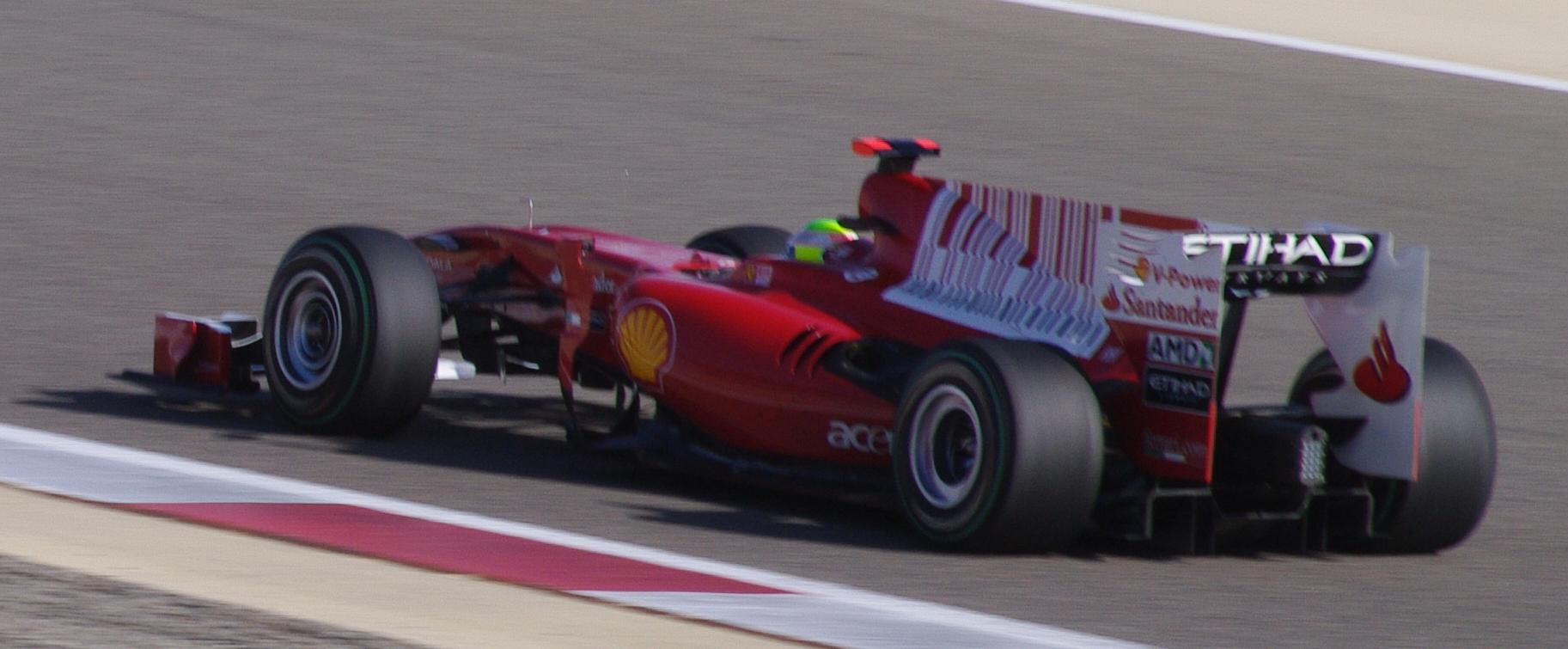
The Bahrain International Circuit isn’t just a racetrack—it’s a place where the desert meets the roar of engines, where modern engineering and tradition share the same stretch of tarmac. Built in the early 2000s, it was the first Formula 1 circuit in the Middle East, a bold statement from a country that had only recently begun to diversify beyond its oil-dependent economy. The track sits in the Sakhir desert, about 30 kilometers south of Manama, surrounded by nothing but sand and the occasional glimpse of distant dunes. The location was chosen for its flat terrain and stable weather, though the desert winds can still whip up dust storms that add an unpredictable edge to races.
Designed by German architect Hermann Tilke, the circuit is a mix of long straights, tight corners, and sweeping turns that test both speed and precision. The layout was inspired by the shape of a dhow, the traditional wooden sailing boat used in the Gulf, though you’d be hard-pressed to see the resemblance unless someone pointed it out. What’s more obvious is how the track was built to accommodate different racing formats—there are multiple configurations, including a shorter outer loop and a longer endurance variant, making it versatile for everything from F1 to local motorsport events. The main grandstand offers a clear view of the start-finish line, but the best vantage points are often along the back straight, where cars hit their top speeds before braking hard for the next corner.
The circuit’s most famous event is the Bahrain Grand Prix, which has been a fixture on the F1 calendar since 2004. The race is usually held in March or April, when temperatures are still manageable—though "manageable" in Bahrain means around 30°C, with the tarmac often much hotter. Night races were introduced in 2014, a practical solution to the desert heat and a spectacle in their own right, with the floodlights casting long shadows across the track. The event draws fans from across the Gulf and beyond, filling the grandstands with a mix of international visitors and locals, many of whom treat race weekend as a social occasion as much as a sporting one.
Beyond Formula 1, the circuit hosts a variety of motorsport events, from drag racing to drifting competitions. It’s also become a hub for driver training, with facilities that include a skid pad, a drag strip, and even an off-road course. The track is open to the public on certain days, allowing enthusiasts to drive their own cars on the same asphalt where F1 legends have raced. For those who prefer to stay on the sidelines, there’s a small museum on-site with a collection of racing memorabilia, including cars from past Grands Prix and trophies won by Bahraini drivers. The exhibits are modest but offer a glimpse into the country’s growing motorsport culture.
What makes the Bahrain International Circuit unusual is how it fits into the landscape. Unlike many racetracks, which are tucked away in industrial zones or surrounded by urban sprawl, this one sits in the middle of nowhere, with the desert stretching out in every direction. The contrast between the high-tech infrastructure and the raw, untouched sand is striking. On non-race days, the place can feel almost deserted, with only a handful of staff maintaining the facilities. The silence is a stark contrast to the roar of engines that fills the air during events, and it’s easy to imagine the track as a temporary intrusion on the desert, a fleeting burst of activity in an otherwise quiet corner of the world.
The circuit has also played a role in Bahrain’s broader ambitions. When it was built, the country was positioning itself as a regional hub for business and tourism, and the track was part of that strategy. It wasn’t just about hosting a race—it was about putting Bahrain on the map as a destination for high-profile events. Over the years, the circuit has expanded to include a luxury hotel, a karting track, and even a small amusement park, though these additions are more functional than flashy. The hotel, for instance, is primarily used by teams and officials during race weekends, though it’s open to the public at other times.
For locals, the circuit is a point of pride, a symbol of Bahrain’s ability to compete on the world stage. Motorsport has a growing following in the country, with young drivers training at the circuit’s academy and local teams competing in regional championships. The track has also become a venue for non-motorsport events, from concerts to corporate gatherings, though these are secondary to its primary purpose. The atmosphere during race weekends is electric, with fans tailgating in the parking lots, families picnicking in the shade, and the scent of grilled food mixing with the smell of burning rubber.
Despite its international reputation, the Bahrain International Circuit remains a place that feels distinctly local. The staff are mostly Bahraini, and the culture of hospitality is evident in the way visitors are treated. The track’s location in the desert means that it’s not just a destination for racing fans—it’s also a place where people come to experience something different, whether that’s driving on a world-class circuit or simply enjoying the novelty of a night race under the stars. The desert setting adds a layer of drama to every event, with the sand sometimes blowing onto the track and the heat shimmering off the tarmac.
The circuit’s future seems secure, with Bahrain committed to hosting the Grand Prix for years to come. Yet it’s also a place that continues to evolve. Plans for further expansion have been discussed, though nothing concrete has been announced. What’s clear is that the track has become more than just a racing venue—it’s a part of Bahrain’s identity, a place where the country’s past and future intersect. Whether you’re a motorsport fan or just someone passing through, the Bahrain International Circuit offers a unique perspective on a country that’s constantly balancing tradition with ambition. The desert may be quiet most of the time, but when the engines start, it’s anything but.