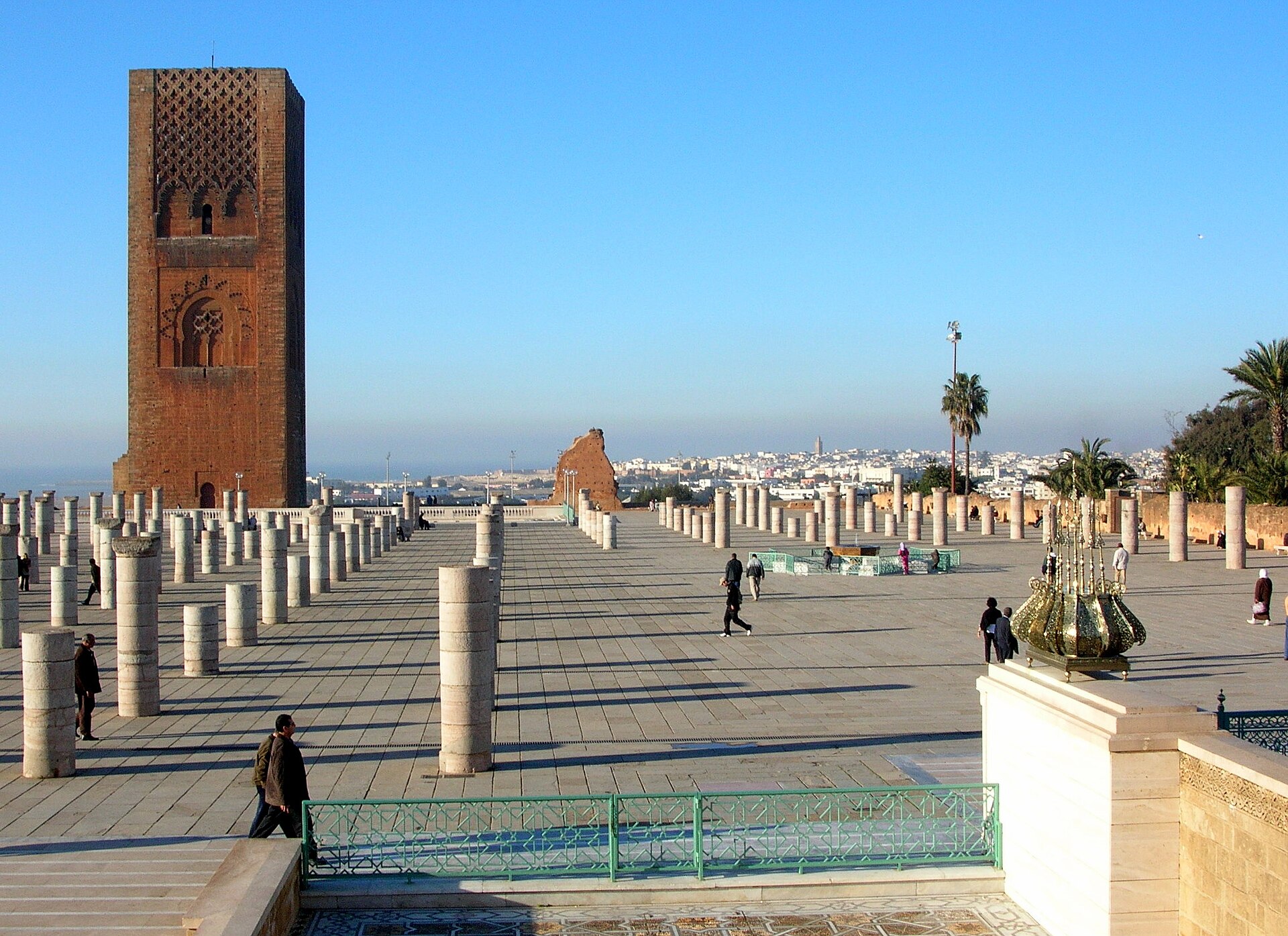
Rabat is one of those places where history feels alive, not just preserved in museums or guidebooks. It sits on the edge of Mdina, Malta’s ancient silent city, yet it carries its own quiet charm—a mix of narrow streets, hidden courtyards, and layers of stories that stretch back over a thousand years. Among its landmarks, the Tower of Hasan stands as a subtle but striking reminder of the island’s complex past, a structure that has witnessed the ebb and flow of empires, religions, and cultures.
The tower itself is modest in size, almost unassuming at first glance. Built in the 17th century, it was part of a network of coastal watchtowers commissioned by the Order of St. John, the same knights who left an indelible mark on Malta with their grand fortifications and palaces. Unlike the imposing bastions of Valletta or the dramatic cliffs of the Dingli coast, the Tower of Hasan was never meant to be a showpiece. Its purpose was practical: to keep watch over the surrounding countryside and the nearby harbor of Marsaxlokk, a vital point of entry for ships approaching Malta from the south. From its vantage point, sentinels could spot approaching vessels—whether merchant ships, pirates, or invading fleets—and signal warnings to Mdina and the rest of the island.
What makes the tower interesting isn’t just its military function, but the way it reflects the broader history of Malta. The Order of St. John, also known as the Knights Hospitaller, arrived in Malta in the 16th century after being driven from Rhodes by the Ottomans. They transformed the island into a fortified stronghold, building not just for defense but for prestige. The Tower of Hasan, however, was a more utilitarian addition, part of a later phase of construction when the knights were consolidating their hold on the island. It wasn’t the first watchtower in Malta—earlier ones had been built by the Aragonese and even the Romans—but it was part of a systematic effort to secure the coastline against the ever-present threat of Ottoman raids.
The architecture of the tower is simple, almost austere. Constructed from the local limestone that gives Malta’s buildings their warm, golden hue, it rises in a square shape, with thick walls and small, narrow windows designed more for arrows and muskets than for comfort. The upper level, where the lookout would have stood, is open to the elements, offering a panoramic view of the surrounding landscape. On a clear day, you can see the rolling hills of the Maltese countryside, the patchwork of fields and villages, and in the distance, the shimmering blue of the Mediterranean. It’s easy to imagine the solitude of the watchmen who once stood here, scanning the horizon for signs of danger, their days marked by the slow rhythm of the sea and the wind.
Over the centuries, the tower’s role changed. By the 18th century, the threat of Ottoman invasions had faded, and Malta’s strategic importance shifted under British rule. The Tower of Hasan, like many of the island’s older fortifications, was gradually repurposed or left to the elements. It never became a ruin, though—its sturdy construction ensured it remained standing, even as its original purpose became obsolete. Today, it’s one of those places that feels slightly forgotten, not because it’s unimportant, but because it exists outside the usual tourist routes. There are no grand plaques or guided tours here, just the quiet presence of history.
Visiting the tower is a low-key experience. It’s not roped off or heavily restored, so you can walk right up to it, touch the weathered stone, and peer through the narrow slits that once served as windows. The surrounding area is residential, with a few old farmhouses and modern homes blending into the landscape. There’s no gift shop or café nearby, just the occasional sound of a car passing on the road below or the distant bark of a dog. It’s the kind of place where you might stop for a few minutes on a walk from Rabat to Mdina, pausing to take in the view before moving on.
What lingers after a visit isn’t just the sight of the tower itself, but the sense of connection to the past. Malta is often celebrated for its grand cathedrals, its baroque palaces, and its dramatic coastal cliffs, but places like the Tower of Hasan offer something different—a glimpse into the everyday lives of the people who shaped the island. The watchmen who stood here were not knights in shining armor or noble rulers, but ordinary men doing a necessary job. Their vigilance helped protect the communities that lived in the shadow of Mdina, the farmers and fishermen who depended on the sea for their livelihoods.
The tower also serves as a reminder of how deeply Malta’s history is tied to the Mediterranean. For centuries, the island was a crossroads, a place where empires clashed and cultures mingled. The Phoenicians, Romans, Arabs, Normans, and Knights of St. John all left their mark here, and the Tower of Hasan is just one small piece of that mosaic. It’s not a monument to a single event or a famous figure, but to the resilience of the island itself—a place that has endured invasions, sieges, and occupations, yet has always found a way to adapt and survive.
If you’re exploring Rabat, the tower is worth seeking out, not because it’s spectacular, but because it’s real. It doesn’t demand attention like the grander sites of Malta, but it rewards those who take the time to notice it. There’s a quiet dignity to the way it stands, a testament to the layers of history that make up this small but fascinating island. And perhaps that’s the best way to experience Malta—not just through its famous landmarks, but through the overlooked corners where the past feels closest to the present.