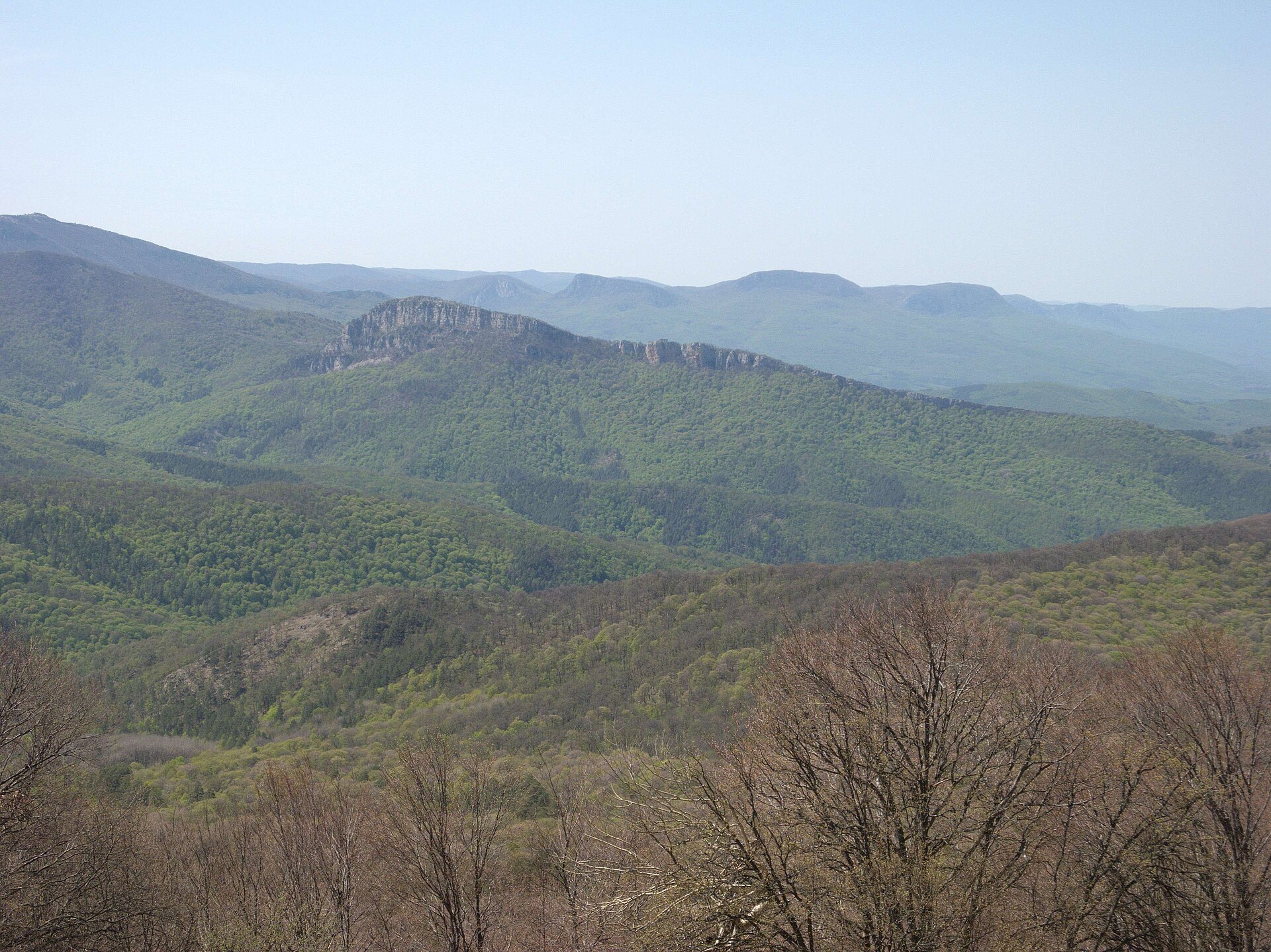
Basmán is one of Bakhchisaray’s quietest corners, a place that seems to have paused somewhere in the past. It sits just a few kilometers from the city center, yet few tourists ever find their way here, and even locals sometimes forget it exists. The streets are narrow, winding between houses with tiled roofs and gardens that spill down the hillsides. The air carries the scent of wild herbs and woodsmoke, and the whole neighborhood feels more like a village than part of a city. It’s as if Basmán has preserved a version of Bakhchisaray that disappeared everywhere else, swallowed by modern development.
The history of this place is woven into the story of the city itself. In the Middle Ages, it was home to craftsmen and farmers who supplied the Crimean Khanate’s court with goods—grain, clay for pottery, and stone for construction. Basmán lay along the route from the khan’s capital to the southern foothills, and its residents played a quiet but essential role in keeping the city running. Over time, it became part of Bakhchisaray, yet it never lost its rural character. Even now, you can still spot old stone wells, weathered fences, and fruit trees that have stood here for generations.
The architecture here is simple, built for function rather than grandeur, but that’s part of its charm. The houses were constructed from local limestone, soft enough to shape by hand but durable enough to withstand the Crimean climate. Thick walls and small windows kept homes cool in summer and warm in winter. Many buildings still have traditional details—wooden shutters, wrought-iron grilles, arched gateways—and in some courtyards, you’ll find old *tatars*, the stone structures once used for drying fruit and storing grain.
One of the few landmarks in Basmán is the Juma-Jami Mosque, or Friday Mosque. It’s not as imposing as the Khan-Jami in central Bakhchisaray, but it feels more authentic, a remnant of the old Muslim quarter. Built in the 18th century, the mosque has been restored over the years, yet its minaret and courtyard still retain their original character. Centuries ago, a market bustled around it, selling spices, fabrics, and ceramics. The market is long gone, but on Fridays, locals still gather here to pray and catch up with neighbors.
What makes Basmán special isn’t just its history or architecture, but the people who live here. Unlike the tourist-heavy parts of Bakhchisaray, there are no souvenir shops or cafes with menus in five languages. Instead, you might stumble upon a small bakery where they make traditional Crimean Tatar flatbreads, or a tiny stall selling honey and dried fruit from nearby orchards. The locals are friendly but unobtrusive, used to the quiet rhythm of their neighborhood. They don’t treat visitors like an attraction, and that’s part of the appeal.
The landscape around Basmán is just as striking as the settlement itself. Perched on a gentle hillside, the area overlooks a valley that was once part of an ancient caravan route. In spring and autumn, the slopes burst with wildflowers, and the air is thick with the scent of thyme and wormwood. Summers are milder here than in the lowlands, and winters bring a light dusting of snow that melts quickly but transforms the scene. Old-timers say foxes and hares used to roam these hills, and if you listen closely at night, you might still hear the call of an owl.
Time moves differently in Basmán. There’s no rush, no need to be anywhere in particular. You can wander the lanes, peek into courtyards where elderly men sip tea under grapevines, or sit on a bench by the mosque and watch children play games that haven’t changed in decades. This isn’t the Bakhchisaray most tourists see—the grand Khan’s Palace, the bustling markets, the famous landmarks. It’s something quieter, more real, a place where history isn’t just preserved but still lived.
If you ever find yourself in Bakhchisaray and want to see the city without the gloss, Basmán is worth the detour. There are no guides, no crowds, no staged performances. Just old houses, narrow streets, the smell of herbs, and the faint tang of woodsmoke. And if you’re lucky, you might leave with a sense of what Crimea once was—not the resort version, but the one that lingers in the memories of those who call it home.