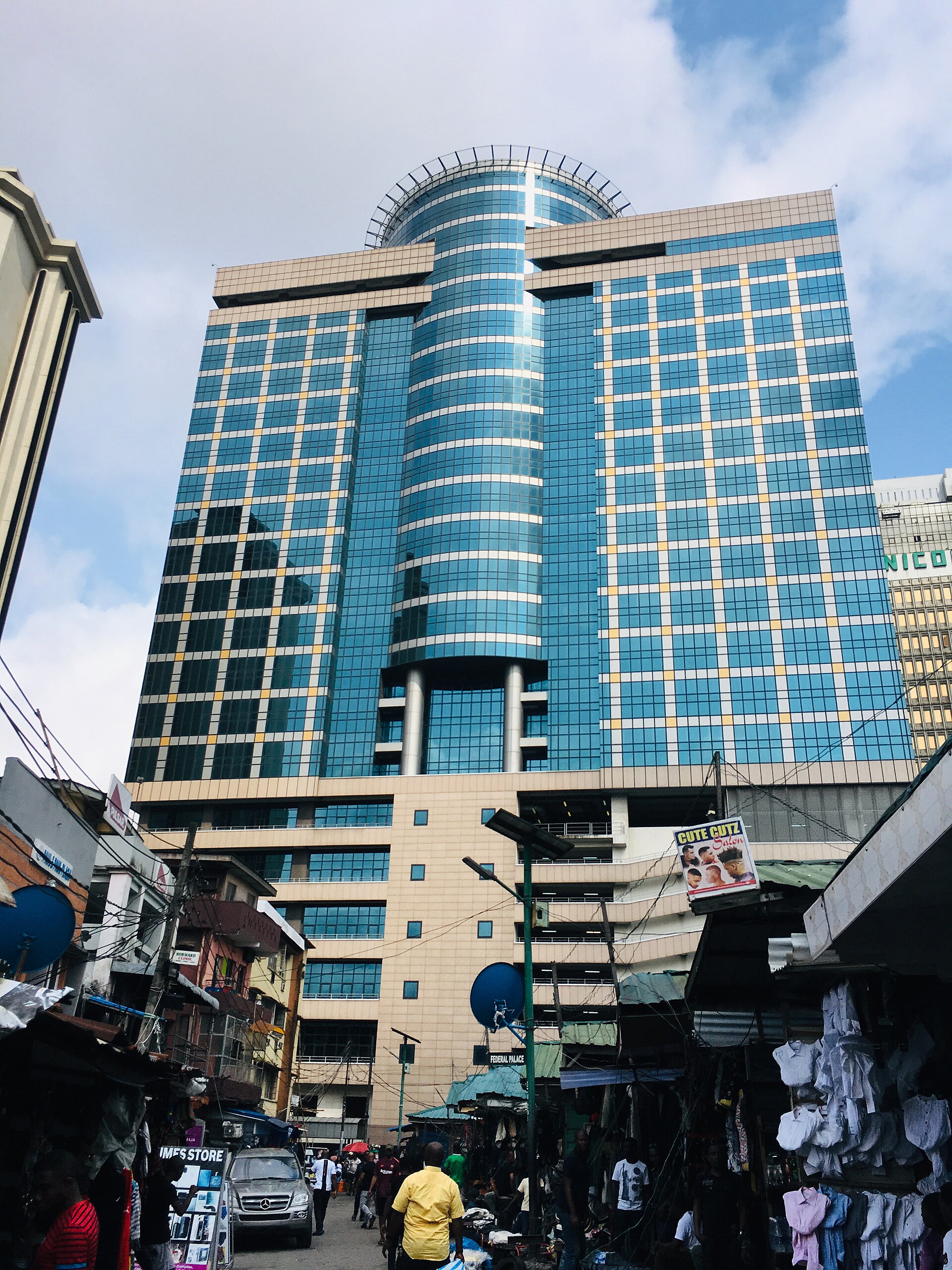
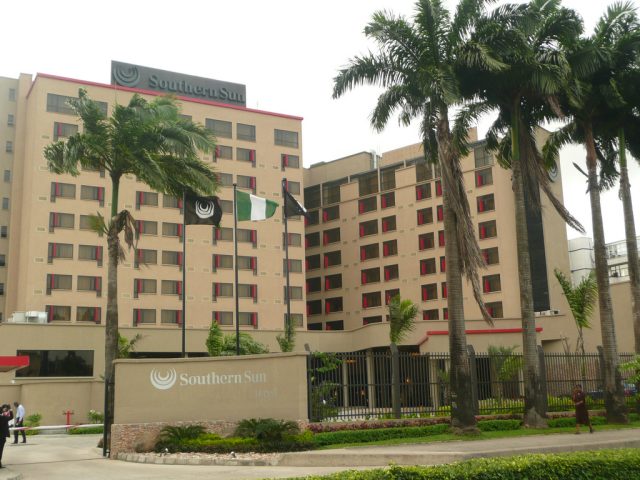
The Central Bank of Nigeria’s headquarters in Ikoyi is one of those places that rarely makes it into travel guides, yet it’s impossible to imagine Lagos without it. More than just an administrative building, it stands as a quiet monument to the country’s economic journey—a structure that has witnessed Nigeria’s transformation from a colonial outpost to one of Africa’s largest economies. Built in the mid-20th century, when the nation was just beginning to assert its financial independence, the building has seen decades of policy shifts, crises, and moments of stability that have shaped the country’s trajectory.
Architecturally, the headquarters reflects the functionalist style of its time. There’s nothing ornate about it—just clean lines, practical design, and a sense of understated solidity. The exterior, made of local stone and concrete, gives it a weighty, almost austere presence, typical of government buildings from that era. Inside, if accounts are to be believed, the original layout remains largely intact: wide hallways, high ceilings, and minimal decoration beyond the Nigerian coat of arms and portraits of past governors. The atmosphere is one of quiet authority, where every detail reinforces the institution’s role as the backbone of the nation’s financial system.
Ikoyi itself is a neighborhood with layers of history. Once a quiet enclave for British colonial officials, it evolved after independence into one of Lagos’s most prestigious districts. Today, it’s a mix of high-end residential areas, corporate offices, and diplomatic missions, where the streets are noticeably calmer than in the rest of the city. Yet it hasn’t lost its character entirely—there are still pockets of local life, from bustling markets to street vendors, offering a contrast to the polished facades of the banks and embassies. The Central Bank’s presence here feels fitting, anchoring the neighborhood’s identity as a hub of power and influence.
The bank’s role in Nigeria’s economy can’t be overstated. It doesn’t just regulate currency or control inflation; it shapes policies that affect millions of lives. Over the years, it has weathered devaluations, financial scandals, and periods of reform, each leaving its mark on the institution—and by extension, on the building itself. There have been moments of tension, when protests gathered outside its gates, and times of quiet resilience, when its decisions steered the country through uncertainty. For many Nigerians, the headquarters symbolizes stability, even if they’ve never set foot inside.
The area around the bank has its own rhythm. On weekdays, the sidewalks fill with professionals in suits, rushing to work or lingering in nearby cafes during breaks. By evening, the streets empty, but the neighborhood doesn’t feel deserted—locals walk their dogs, children play in small parks, and the glow of restaurants keeps the area alive. It’s a place where the pace slows just enough to notice the details: the way the light hits the building at dusk, the sound of footsteps echoing on the pavement, the occasional laughter from a passing group.
This isn’t a building that invites tourists. There are no guided tours, and access is restricted to official business. But for those curious about Nigeria’s history, it offers something more subtle—a reason to explore Ikoyi, to wander its streets and observe the interplay between old and new. The bank’s headquarters isn’t just a workplace; it’s a piece of the city’s fabric, a reminder of how institutions shape the places they inhabit.
Architecturally, it’s not a masterpiece, but neither is it unremarkable. What makes it interesting is its place in a larger story—the way it reflects Nigeria’s post-independence ambitions, its struggles, and its quiet determination. There’s no grandiosity here, no attempt to impress with scale or ornamentation. Instead, there’s a sense of purpose, a building that exists not to be admired but to function, to endure, to serve as a steady presence in a country that has seen its share of upheaval.
In a city like Lagos, where every district has its own energy, the Central Bank’s headquarters serves as a kind of anchor. From here, you can trace the city’s veins—out to Victoria Island with its gleaming towers, back to the old markets and mosques of Lagos Island, or down to the port where ships carry goods across the continent. It’s a place that connects the past to the present, a reminder that even in a city as chaotic and vibrant as Lagos, there are spaces where order prevails, even if only for a moment.