Bagram has long been a place where history and conflict intersect, a quiet town in Afghanistan’s Parwan Province that few outside the region would recognize by name. Yet for decades, its name has been tied to one of the most contentious sites in the country: the Bagram detention facility. Originally built by the Soviet Union during its occupation in the 1980s, the complex was designed as an airbase, a strategic outpost in the rugged terrain north of Kabul. When the Americans arrived in 2001, they repurposed parts of it, including the detention center, which became a focal point of the war on terror. The facility was never meant to be permanent, but in the shifting tides of conflict, it took on a life of its own.
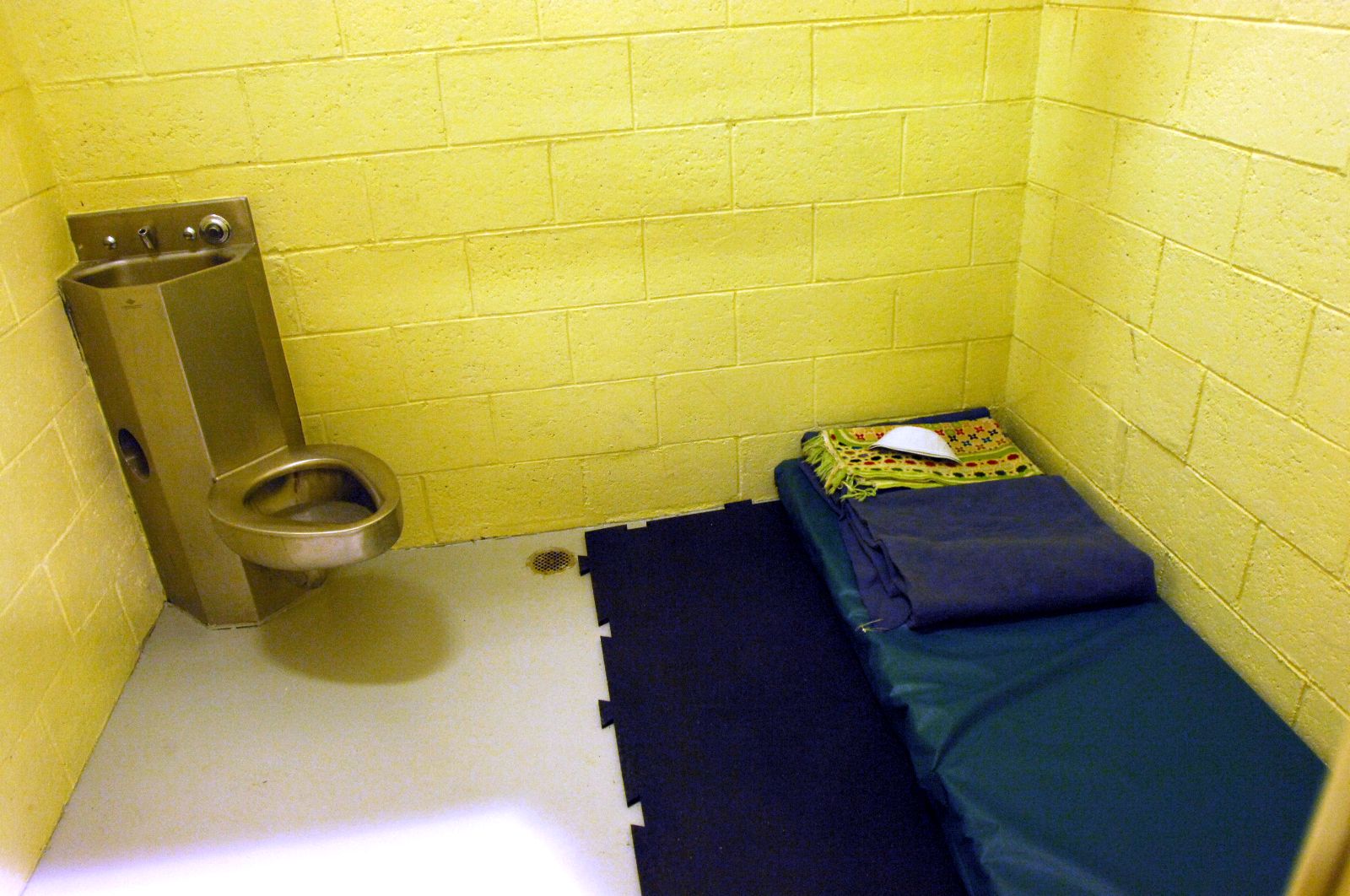
The architecture of the prison, if it can be called that, was utilitarian at best. Unlike the grand fortresses or imposing citadels that dot Afghanistan’s landscape, Bagram’s detention center was a series of low-slung buildings, surrounded by high walls and watchtowers. Inside, the conditions were stark—cells with concrete floors, fluorescent lighting, and the hum of generators that never seemed to stop. For those who passed through its gates, whether as detainees or guards, the place carried an unshakable weight. It was a space where the rules of war were both enforced and questioned, where the line between justice and injustice often blurred.
The facility’s reputation grew not just from its physical presence but from the stories that emerged from within its walls. Reports of harsh interrogations, indefinite detentions, and allegations of abuse cast a long shadow over its operations. For years, it was one of the most secretive sites in Afghanistan, a place where the U.S. military held detainees without trial, some for over a decade. The lack of transparency only deepened the controversy, turning Bagram into a symbol of the broader struggles over human rights and accountability in wartime. Even as the U.S. began transferring control to Afghan authorities in the 2010s, the legacy of the prison remained unresolved.
By the time the last American troops left Afghanistan in 2021, the detention center had already been handed over to the Afghan government. What happened to it after that is less clear. The Taliban, who regained control of the country, have not made the facility a priority in their public statements, and its current use—if any—remains uncertain. For many Afghans, Bagram is a reminder of the cycles of occupation and resistance that have defined their country for generations. For others, it is a place best forgotten, a chapter in a longer story of conflict that has yet to find its ending.
The airbase itself, once a bustling hub of military activity, now stands mostly empty. The runways that once launched fighter jets and cargo planes are quiet, the hangars that housed helicopters and supplies lie still. The detention center, too, has faded from the headlines, though its memory lingers in the accounts of those who were held there and in the debates over how wars should be fought. It was never meant to be a landmark, yet in its own way, it became one—a stark, unadorned monument to the complexities of modern warfare.
For those who visit Bagram today, there is little to see. The town itself is unremarkable, a collection of dusty streets and low buildings that blend into the surrounding landscape. The airbase is off-limits, its gates guarded, its interiors inaccessible to the public. Yet the absence of visible traces does not erase its history. The stories of Bagram, like so many others in Afghanistan, are written in the gaps between what is known and what is left unsaid. It is a place that forces a reckoning with the past, even as the present moves on.
The detention center’s significance lies not in its grandeur or its beauty, but in its ordinariness. It was a place of routine—of daily counts, of meals served in metal trays, of guards going about their shifts. Yet within that routine, extraordinary things happened. Lives were altered, families were separated, and questions were raised that have no easy answers. Bagram was never just a prison; it was a microcosm of the larger forces at play in Afghanistan, a reflection of the hopes, fears, and failures that have shaped the country for decades.
In the end, Bagram’s story is not just about a single facility or a single conflict. It is about the ways in which war reshapes places and people, leaving behind scars that are not always visible. The detention center may no longer be in use, but its legacy endures, a quiet testament to the enduring costs of war. For those who lived through its history, it remains a place of memory, a chapter in a longer narrative that is still being written. And for those who come after, it stands as a reminder of the fragility of peace, and the weight of the past.