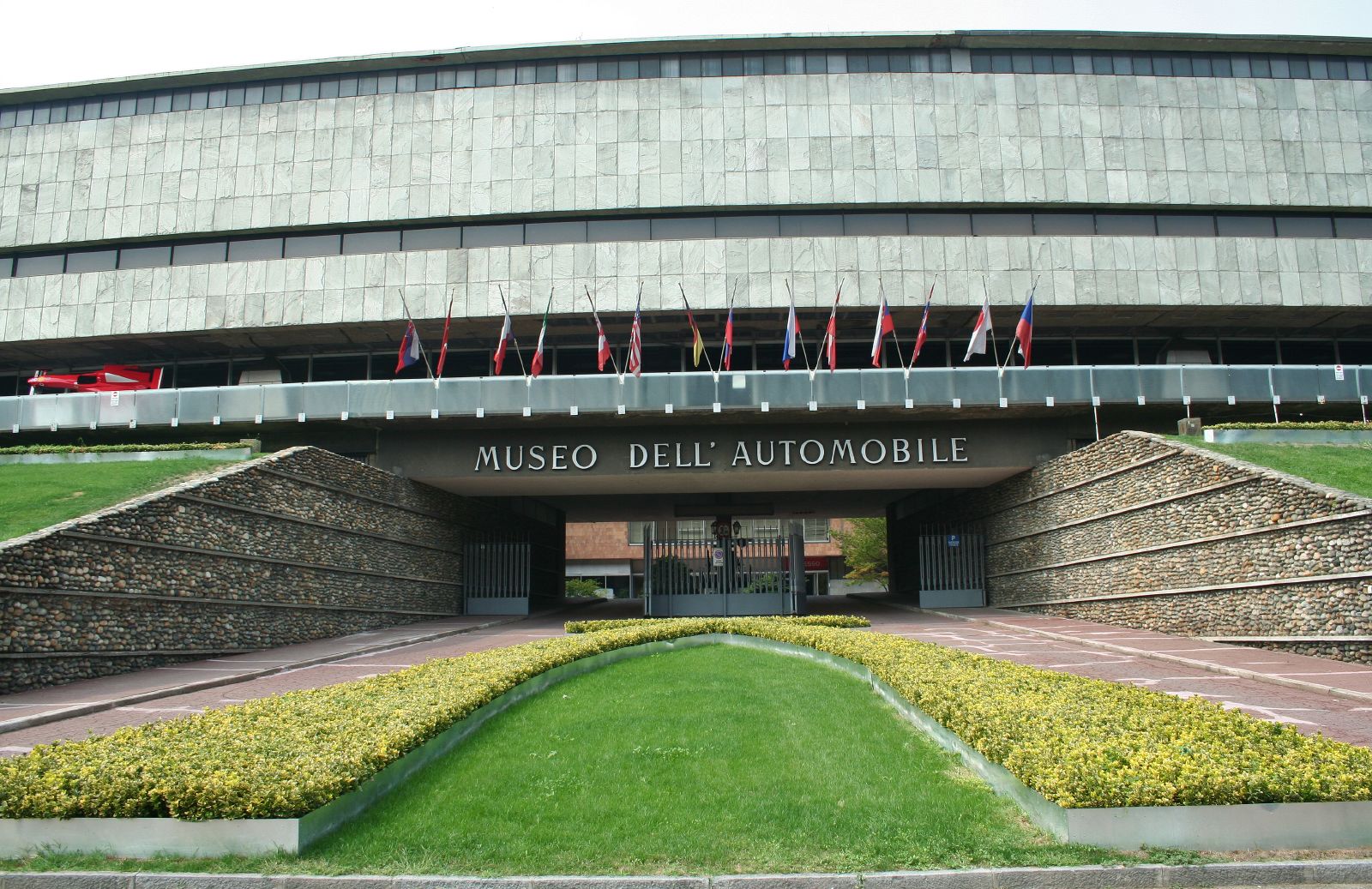
Turin has long been known as the heart of Italy’s automotive industry, and for good reason. This is where Fiat, one of the most iconic car brands in the world, was born, shaping not just a company but an entire culture. Cars here were never just machines—they became symbols of progress, design, and engineering brilliance. The city’s Automobile Museum captures this legacy in a way that goes beyond mere displays. It’s a place where the story of the automobile comes alive, showing how this invention transformed lives, cities, and even nations.
The museum itself is housed in the former Lingotto factory, a building that carries its own historical weight. Constructed in the early 20th century, Lingotto was once a powerhouse of industrial innovation, its architecture blending practicality with a certain elegance. The vast halls, flooded with natural light from large windows, still echo the rhythms of the factory floor. Most striking is the rooftop test track, where Fiat’s newest models were once put through their paces. Today, the track is part of the museum’s charm, a reminder of the building’s past life, when the hum of machinery filled the air and the scent of oil lingered in every corner.
The collection spans over a century of automotive history, beginning with the earliest Fiat models from the early 1900s. These cars were more than transportation—they were statements of wealth and status, crafted with meticulous attention to detail. Hand-assembled with polished wood, leather upholstery, and graceful curves, they reflect an era when owning a car was a rare privilege. Nearby, more familiar models tell a different story: the Fiat 500, for instance, which brought mobility to the masses, or the sleek sports cars that dominated racetracks. Each vehicle represents a chapter in the evolution of how people moved, worked, and lived.
Racing holds a special place in Turin’s automotive identity, and the museum pays tribute to this legacy. The city has always been a hub for motorsport, and the exhibits here showcase the machines that made history. Formula 1 cars, rally champions, and rare prototypes that never made it to production all find their place in the collection. Some of these vehicles look almost delicate by today’s standards, yet they laid the groundwork for modern engineering. They’re a testament to the daring spirit of their creators, who pushed boundaries in speed, design, and performance.
While Fiat and Italian engineering take center stage, the museum also broadens its scope to include global automotive history. Visitors can trace the development of car culture across continents, from the chrome-laden American sedans of the 1950s to the precision of German engineering and the quirky charm of French designs. The contrast is striking—compact Italian city cars parked alongside the sprawling, tail-finned behemoths that symbolized post-war American optimism. These juxtapositions reveal how different societies shaped the automobile to fit their needs, values, and dreams.
One of the most intriguing sections of the museum is dedicated to concept cars—visions of the future that often remained just that. Some of these prototypes look like they’ve rolled straight out of a sci-fi film, with radical shapes, experimental materials, and ideas that were decades ahead of their time. They serve as a reminder that car design isn’t just about function; it’s also an art form, where creators imagine what people might desire long before those desires take shape. Even today, some of these concepts feel futuristic, hinting at paths the industry might still explore.
Walking through the museum is like stepping into a time machine. Each hall is dedicated to a different era, and the transition from one to the next feels like flipping through the pages of history. In one room, the air is thick with the craftsmanship of the early 1900s, where every car was a hand-built masterpiece. The next hall bursts with the energy of the post-war boom—bright colors, bold designs, and the sense of limitless possibility. Further on, the exhibits reflect the challenges of the modern age: sustainability, digital integration, and the search for new ways to move people without harming the planet.
The museum isn’t just for car enthusiasts. It offers something for anyone curious about how technology shapes society. You can see how the rise of the automobile reshaped cities, turning narrow streets into bustling thoroughfares and creating the infrastructure we now take for granted. There are also glimpses into social change—how cars, once a male-dominated domain, became tools of independence for women, or how they influenced everything from fashion to music. The exhibits make it clear that the automobile wasn’t just a product; it was a force that redefined daily life.
More than a collection of cars, Turin’s Automobile Museum is a chronicle of an era. It tells the story of how a machine became a cultural icon, influencing economics, politics, and even art. Spending a few hours here means tracing the arc of that story—from the first tentative drives of the early 20th century to the high-tech vehicles of today. And when you step back onto Turin’s streets, the connection is immediate. The city still moves to the rhythm of its automotive past, with Fiats navigating its roads and the spirit of innovation lingering in the air. The museum doesn’t just preserve history; it shows how that history is still being written.