Perched above the rugged coastline of Crimea, Asarane-Burun is one of those rare places where the land feels alive with quiet grandeur. It isn’t just a mountain—it’s a natural amphitheater where the elements have sculpted something timeless. From its summit, the view unfolds like a living map: the Black Sea stretches endlessly to the horizon, its surface shimmering under the sun, while below, the jagged inlets of Balaklava twist between hills like veins of silver. The air here carries the scent of wild herbs and salt, and the only sounds are the wind threading through the rocks and the distant cry of gulls. There are no crowds, no souvenir stalls, no signs urging you to hurry—just the slow, unhurried rhythm of the landscape itself.
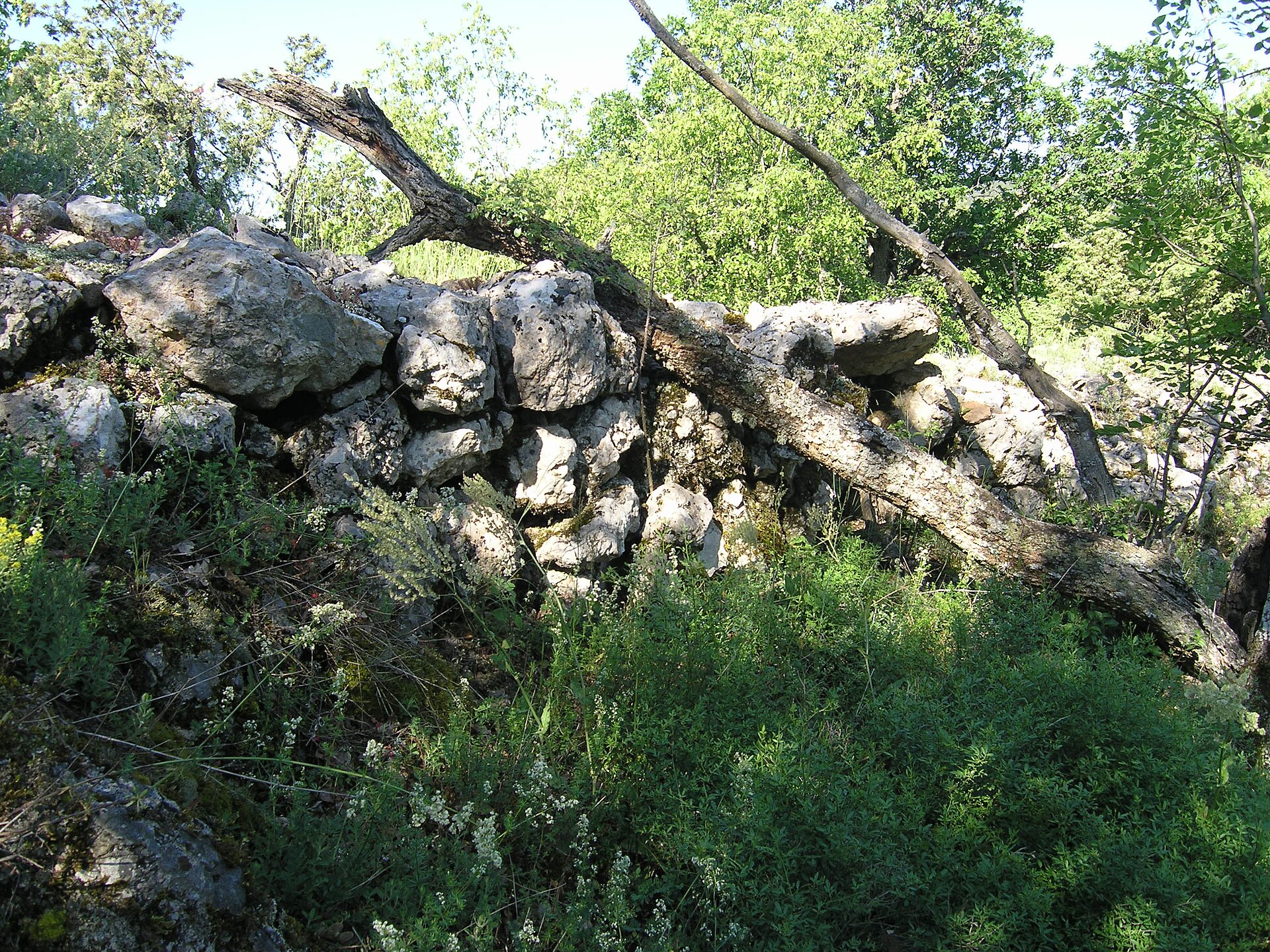
Geologically, Asarane-Burun is a fragment of the Crimean Mountains’ spine, a remnant of forces that shaped this region over millions of years. Its slopes are a patchwork of limestone and shale, their layers telling stories of ancient seas that once covered these lands. In places, the rock is worn smooth by time, while in others, it juts out in sharp, weathered formations, draped in moss and lichen. For those who pay attention, the mountain is a kind of open-air archive, where every crevice and outcrop hints at the slow, relentless work of erosion and uplift. It’s easy to lose track of time here, tracing the contours of the earth with your fingers, imagining the weight of centuries pressing down on the stone beneath you.
The climb to the top isn’t a technical challenge, but it’s not a leisurely stroll either. The trail winds through dense forests where the air is thick with the scent of pine and damp earth, then opens onto sunlit meadows dotted with wildflowers. In summer, the slopes are alive with the fragrance of thyme and wormwood, while autumn turns the landscape into a blaze of gold and crimson. Winter brings a stark beauty—snow clings to the rocks in uneven patches, softening the mountain’s edges. The ascent takes a few hours, depending on your pace, but the real reward isn’t just the view; it’s the way the land changes with every step, revealing something new at each turn.
Like many places in Crimea, Asarane-Burun is steeped in folklore. Locals have long spoken of mountain spirits that guard its slopes, their presence felt most strongly at dusk or in the quiet of a moonlit night. Some say that on clear evenings, faint lights flicker near the summit—ghostly torches left by ancient warriors. The stories vary: some attribute them to the Genoese, who once ruled these shores, while others believe they belong to even older inhabitants of the peninsula. There’s no proof, of course, but the mountain has a way of making such tales feel plausible. The silence here isn’t just the absence of noise; it’s a kind of presence, as if the land itself is listening.
For many, the real draw of Asarane-Burun isn’t the destination but the journey—or rather, the way the journey changes you. There’s no rush here, no need to perform or keep up appearances. You can sit on a rock for hours, watching the sea glint in the distance, or spread out a blanket and let the sun warm your back. Some come with tents, spending the night under a sky dense with stars, while others arrive with cameras, trying to capture the way the light shifts over the water. But no matter how you experience it, the mountain leaves an impression—one of stillness, of being part of something vast and enduring.
Unlike the well-trodden paths of Crimea’s more famous landmarks, Asarane-Burun remains a place for those who seek something deeper than postcard views. There are no viewing platforms, no snack bars, no handrails to guide you. The landscape is raw and unfiltered, demanding a little effort in exchange for its quiet majesty. And yet, that effort is repaid tenfold. Few places offer such a stark reminder of your own smallness against the backdrop of the natural world, or such a clear sense of being connected to something far older and wiser than yourself.
From the summit, Balaklava appears almost toy-like, its narrow harbor tucked between the hills like a secret. The town has seen empires rise and fall—Genoese fortresses, Ottoman mosques, Russian naval bases—each leaving its mark on the land. Asarane-Burun has watched it all, a silent witness to centuries of change. Perhaps that’s why it feels so serene; it has outlasted them all, untouched by the fleeting ambitions of those who passed through. The mountain doesn’t judge or hurry. It simply is.
The best time to climb is at dawn, when the first light spills over the ridges and the air is crisp with possibility. The shadows are long and soft, and if you’re lucky, you might catch the sunrise over the sea—a slow, golden unfurling that makes the early start worthwhile. In the evening, the mountain transforms again, becoming a perfect vantage point for sunset. The sky bleeds into shades of pink and violet, the sea darkens to a deep indigo, and for a moment, everything feels suspended in time.
Asarane-Burun isn’t a place you can fully describe. It’s something you have to experience—walk its paths, breathe its air, let the wind remind you of your own insignificance. There’s nothing extraneous here, nothing to distract from the essentials: earth, sky, and sea, woven together in a single, breathtaking view. Maybe that’s why it lingers in the memory long after you’ve left. It doesn’t offer spectacle or convenience; it offers something rarer—a reminder that beauty often lies not in grandeur, but in the quiet, unadorned truth of the world. If you ever find yourself in this corner of Crimea, take the time to climb it. The mountain will wait. And so will the view.