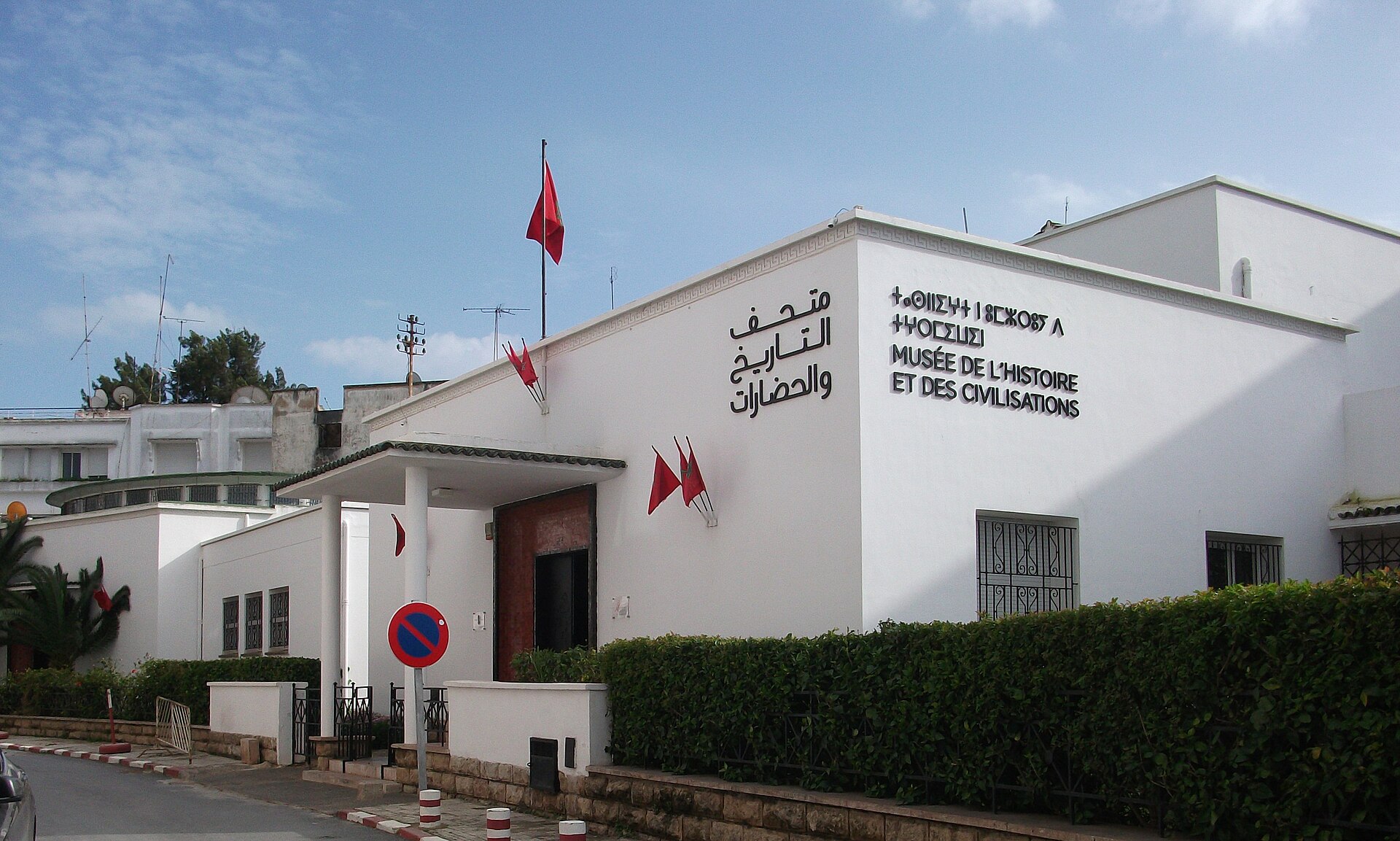
The Archaeological Museum in Rabat is where Morocco’s layered past feels tangible, not like a chapter in a textbook but something you can almost reach out and touch. Housed in the capital, the museum holds a collection that spans millennia—from the earliest Berber settlements to the golden age of Islamic dynasties. There’s no grand spectacle here, no overwhelming scale like in Europe’s major museums. Instead, the exhibits carry a quiet authenticity, as if the objects still hold the warmth of the hands that shaped them.
The building itself is a piece of history. Constructed in the mid-20th century, it reflects a time when Morocco was beginning to recognize the importance of preserving its cultural heritage. The architecture blends traditional Moroccan elements with the practical needs of a museum—high ceilings, airy galleries, and well-lit display cases that allow each artifact to stand on its own. The inner courtyard, with its fountain and intricate tilework, offers a moment of calm, a reminder that this place is as much about reflection as it is about discovery.
The collection starts with prehistory, when the land was home to ancient tribes. Stone tools, fragments of cave paintings, and bits of pottery tell the story of humanity’s first steps in this part of the world. The Berber artifacts hold a special place, showcasing a culture that remains deeply woven into Morocco’s identity. Jewelry, weapons, and everyday objects reveal how traditions were passed down through generations, enduring even under the influence of later civilizations.
The Roman era is represented by coins, sculptures, and mosaics unearthed from sites like Volubilis. These pieces serve as a reminder that Morocco was once part of a vast empire where Mediterranean cultures intersected. Busts of emperors, fragments of columns, and remnants of public baths offer glimpses into daily life in the Roman provinces. The Latin inscriptions, in particular, provide a sense of the people who lived here—what they valued, how they organized their world.
The medieval period marks a time when Morocco became a center of Islamic learning and artistry. The museum displays manuscripts, astronomical instruments, ceramics, and jewelry crafted under the influence of Arab masters. The exhibits tied to the Almohad and Marinid dynasties, who ruled from the 12th to the 15th centuries, highlight their architectural legacy—mosques and madrasas that still shape the skylines of Moroccan cities. Fragments of carved wood, tiles, and metalwork show the skill that went into decorating these structures.
A separate hall is dedicated to Islamic art, where textiles, carpets, ceramics, and metalwork demonstrate the craftsmanship of Moroccan artisans. The geometric patterns on the tiles, a hallmark of Moroccan design, are especially striking. These pieces illustrate how art and daily life intertwined, becoming part of the country’s cultural identity. Even today, similar motifs can be found in homes and public spaces across Morocco.
The museum isn’t just about the past. Temporary exhibitions often focus on recent archaeological discoveries or lesser-known aspects of Moroccan history, showing how new findings continue to reshape our understanding of the past. Occasionally, the museum hosts lectures and workshops, giving visitors a chance to try their hand at traditional crafts or learn about restoration techniques.
Visiting the museum isn’t just about viewing artifacts—it’s about stepping into a space where history feels alive. There are no crowds rushing from one room to the next, just the quiet opportunity to linger over an object, to consider the lives of those who came before, and to sense the connections between then and now. Rabat has many such places, but the Archaeological Museum is one where that connection feels particularly strong.
If you find yourself in Rabat, the museum is worth a visit not just for its exhibits but for the experience of the place itself. It’s a spot to escape the city’s hustle, to sit in the courtyard with a cup of mint tea, and to reflect on how much has changed over the centuries—and how much has stayed the same. After all, history isn’t just about what happened long ago; it’s about what we take from it today.