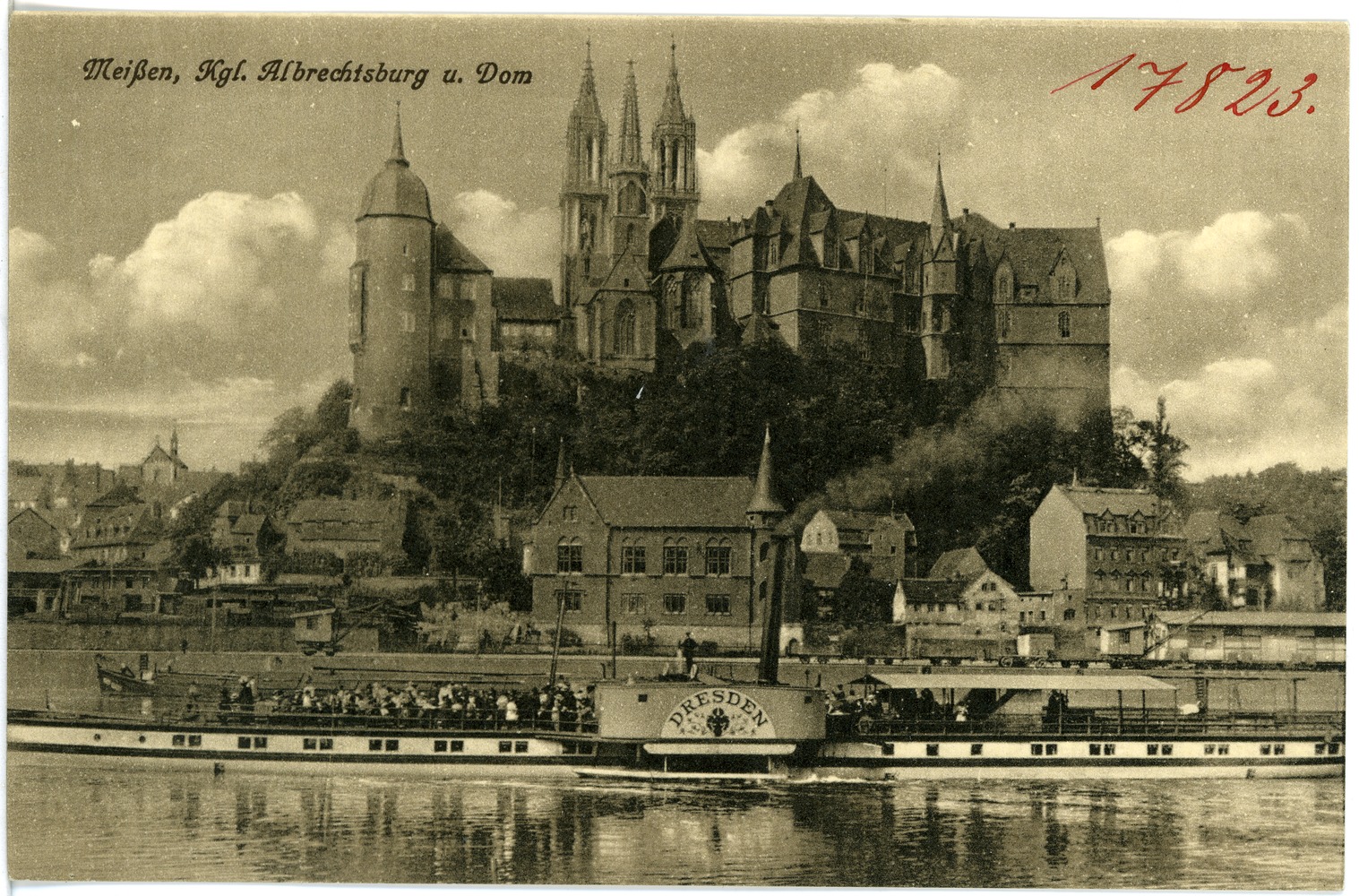
Albrechtsburg stands apart in Dresden. Built in the late 15th century, it was Germany’s first palace designed as a ruler’s residence, not a fortress. Before this, castles served defense—thick walls, narrow windows, built to endure sieges. Ernest and Albert, Electors of Saxony, wanted something else: a home that showed their power. Construction took nearly fifty years. When finished, the building marked the shift from the Middle Ages to the Renaissance.
The architecture still draws attention. Steep roofs and delicate towers make it appear almost weightless, though stone forms its base. The spiral staircase in the main tower was one of Europe’s first built without central support. It spirals upward, and climbing it feels like tracing the thoughts of its medieval engineer. Inside, frescoes and stucco work decorate the rooms, much of it restored after World War II damage.
The castle’s uses changed over time. After the electors left, it became a porcelain factory, then military barracks, even a prison in the 19th century. Each phase left traces. The cellars hold remnants of medieval fortifications. The upper floors feature halls where ambassadors were received and balls held.
Porcelain ties deeply to the castle’s history. In the early 18th century, Europe’s first porcelain manufactory began here. Though production moved to Meissen, Albrechtsburg kept its connection. The museum now shows early Meissen pieces—figurines, tea sets, vases that once defined luxury. They show how art and technology reshaped ideas of beauty and wealth.
From the castle’s windows, the Elbe River curves past green hills and historic bridges. On clear days, Dresden’s skyline appears—Baroque domes alongside modern buildings. The castle bridges eras: medieval walls on one side, a living city on the other.
The past feels close here. Floorboards creak. Echoes linger in empty halls. The viewing platform offers a panoramic view of Dresden. The cellars, once used for wine and supplies, invite exploration. Each room holds stories—of power, art, war, daily life.
The castle endured wars and shifting tastes. In the 19th century, Romanticism revived interest in the Middle Ages. Albrechtsburg was restored, with new details added to recapture its original look. Yet it never became a perfect replica. It remains itself.
Some visitors come for history. Others for the views. Some just to wander the halls. The surrounding park offers space to walk after exploring inside. In summer, concerts and festivals take place here. In winter, snow covers the roofs, and windows glow. But even without events, the castle makes you wonder: how many layers of time hide in its stones?