Deep beneath the quiet hills of northern Hungary, where the land rolls gently toward the Slovak border, lies a world shaped by time and water. Aggtelek is a cave system—a vast archive of the earth’s history, carved over millions of years by underground rivers. The limestone here has been hollowed into labyrinths of tunnels, chambers, and galleries, their walls lined with formations. In 1995, UNESCO recognized this place as a World Heritage Site, but its significance has always been felt rather than declared. There are no grand entrances or neon signs, just the slow drip of water echoing in the dark and the sense that you’ve stepped into a place where the rules of the surface no longer apply.
The heart of Aggtelek is Baradla Cave, a sprawling network that stretches nearly thirty kilometers, though only a fraction is open to visitors. Walking through its passages feels like moving through the veins of the earth. Some corridors are so narrow you turn sideways to pass, while others open into vast halls where the ceiling vanishes into shadow. Stalactites hang like chandeliers, their tips glistening with moisture, while stalagmites rise from the floor in jagged spires. In places, the formations merge into columns. The cave is still active—water continues to seep through the rock, shaping the space one drop at a time. It reminds you that this place was never meant to stay the same.
The history of Aggtelek is as much about human curiosity as it is about geology. For centuries, locals knew of the caves but feared them. Stories spoke of underground rivers leading to the underworld, of echoes that were not echoes but voices of the dead. In the 19th century, scientists began studying the caves, realizing they had found a geological marvel. Today, researchers still work here, monitoring the cave’s ecosystem—its rare blind fish, its colonies of bats, the way air moves through the tunnels like breath. The cave doesn’t give up its secrets easily. It demands patience, the kind that comes from standing still and listening.
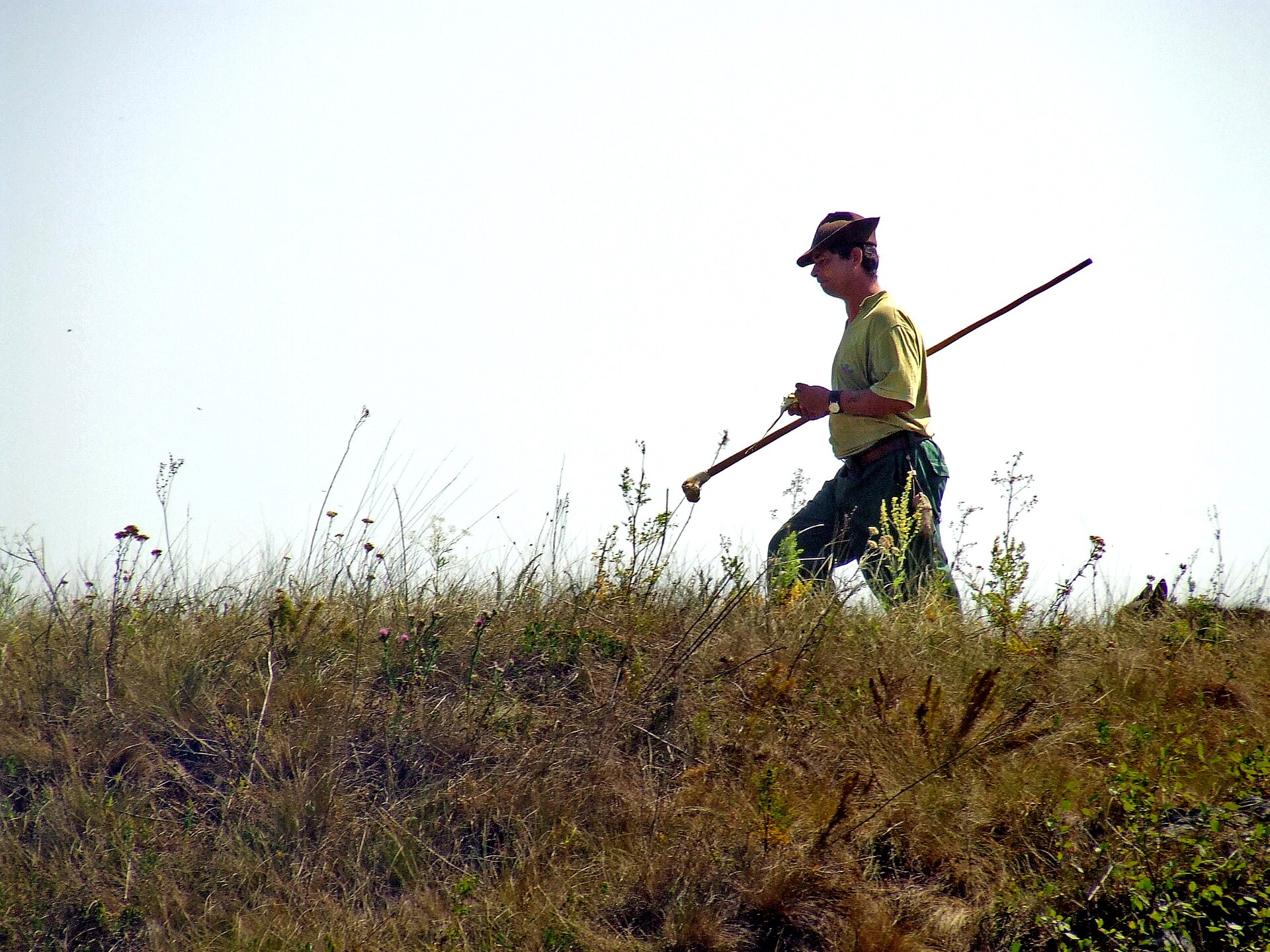
Above ground, Aggtelek National Park offers a different kind of quiet. The landscape is a patchwork of forests, meadows, and limestone outcrops, where the only sounds are the wind in the trees and the occasional cry of a bird of prey. The park is home to species found nowhere else. In spring, the hillsides burst into color with wildflowers. Autumn turns the beech and oak forests into shades of red and gold. There are no crowds, no marked trails that feel like conveyor belts. You can walk for hours without seeing another person, the kind of solitude that makes the world feel both vast and intimate.
Visiting Aggtelek isn’t like visiting a typical tourist attraction. There are no souvenir stands or flashy exhibits, just a simple entrance where you’re handed a helmet and a jacket before descending into the cool, damp air. The most popular route takes about an hour, winding through the cave’s highlights—the Grand Hall with its towering columns, the Concert Hall where musicians sometimes perform, the underground lake that mirrors the formations above. For those who want more, there are longer expeditions into the deeper parts of the cave, but these require a guide and a willingness to crawl through tight spaces. Even the basic tour isn’t for the claustrophobic. The cave is damp, the paths uneven, and the darkness absolute in places. But that’s part of the experience—the sense of being somewhere raw, where nature hasn’t been tamed for convenience.
What makes Aggtelek special isn’t just its size or its UNESCO status. It’s the way it makes you feel. There’s a stillness here that’s hard to find elsewhere, a sense of time moving differently underground. The cave doesn’t care if you’re impressed. It exists on its own terms. That indifference is strangely comforting. You’re not here to be entertained; you’re here to witness something older than human history, something that will outlast all of us. It’s why people return—not for the sights, but for the quiet, for the way the air smells of wet stone, for the way the darkness makes the world above feel distant.
Aggtelek doesn’t end at the Hungarian border. The cave system continues into Slovakia, where it’s known as the Slovak Karst. The two countries have worked together to protect this shared natural wonder, and the border here is little more than a formality. You can walk from one country to the other underground, crossing from one cave into another. The collaboration between Hungary and Slovakia has helped preserve the delicate balance of the caves, ensuring that future generations will be able to experience them as they are—not as a theme park, but as a living part of the earth.
If you come to Aggtelek, don’t rush. Spend time in the villages nearby, where the pace of life hasn’t changed much in decades. The houses here are built in the traditional Hungarian style, with whitewashed walls and steep roofs. The locals often share stories about the region’s history. Some farms offer homemade cheese, smoked meats, and wine made from grapes grown in the surrounding hills. It’s a chance to see how this place has shaped the people who live here, how the caves and forests have become part of their identity.
Aggtelek stays with you. It’s not about what you see, but about what you feel—the cool touch of the cave walls, the echo of your footsteps in the dark, the way the light from your helmet catches the glint of a stalactite. It’s about the silence, the kind that makes you listen more closely to your own thoughts. You don’t come here to check a box or take a selfie. You come to remember what it’s like to be small in the face of something vast, to stand in a place that has seen centuries come and go and will see centuries more. That’s Aggtelek. It doesn’t try to impress you. It just is.